27th & 28th February, 2023
Wow!!! We were totally bowled over by Buenos Aires (BA). It is considerably bigger than Montevideo at 13 to 15 million in the Greater Area and 3 million in the main part of the city. Although we had two days here, you could easily spend at least a week exploring the city, which is both stunning and varied in its different neighbourhoods. Considering what a bit of a basket case Argentina’s economy is (95% inflation at present) it is rather surprisingly well maintained and thoroughly sophisticated. The locals seem to work on a number of currency levels – back in the late 1990s the peso was pegged to the US dollar at one for one, which was fine except that their exports became unaffordable and the country’s foreign reserves ran out. It was then revalued to 2 then 3 pesos to a US$. There are now about 380 pesos to the dollar on the black market rate or nearly 200 on the official rate. How the locals calculate what they are earning and paying is a mathematical nightmare. One of our guides told us that if they have any money left over at the end of the month, they buy dollars and stuff them into the mattress. They do not trust banks!
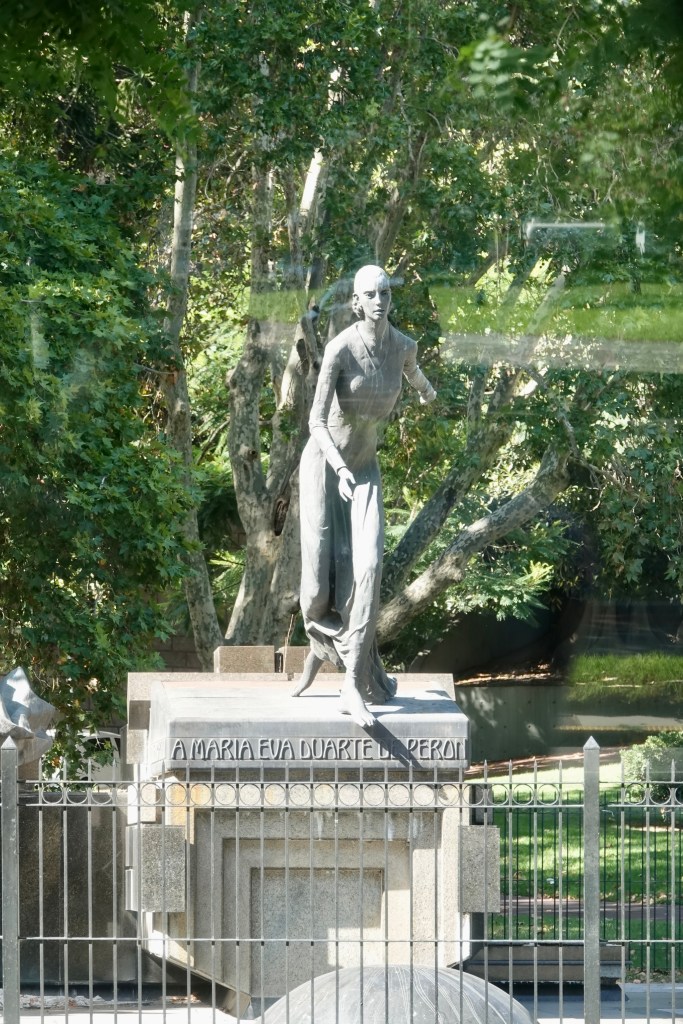
We went on a highlights of BA tour on the first day of our visit, which worked out well and gave us a very good flavour for the different parts of the city. We started in the north of the centre at Recoleta, a grand area “where the rich live in luxury apartments and mansions while spending their free time sipping coffee at elegant cafés and shopping in expensive boutiques. Full of lush parks, grand monuments, art galleries, French architecture and wide avenues, it is also famous for its cemetery.” Thank you to the Lonely Planet for that synopsis. The latter, the cemetery, has all the great and good (and not so good) of Argentina, most famously Eva Peron, of course.
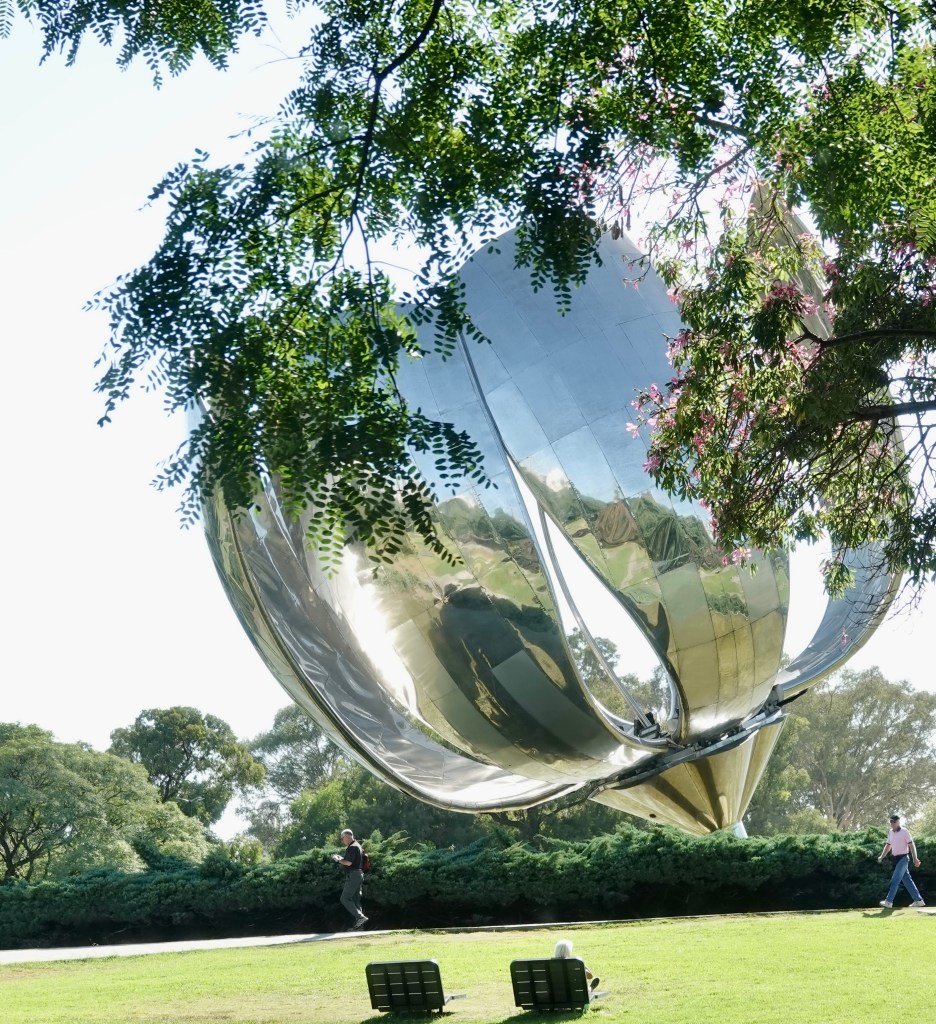
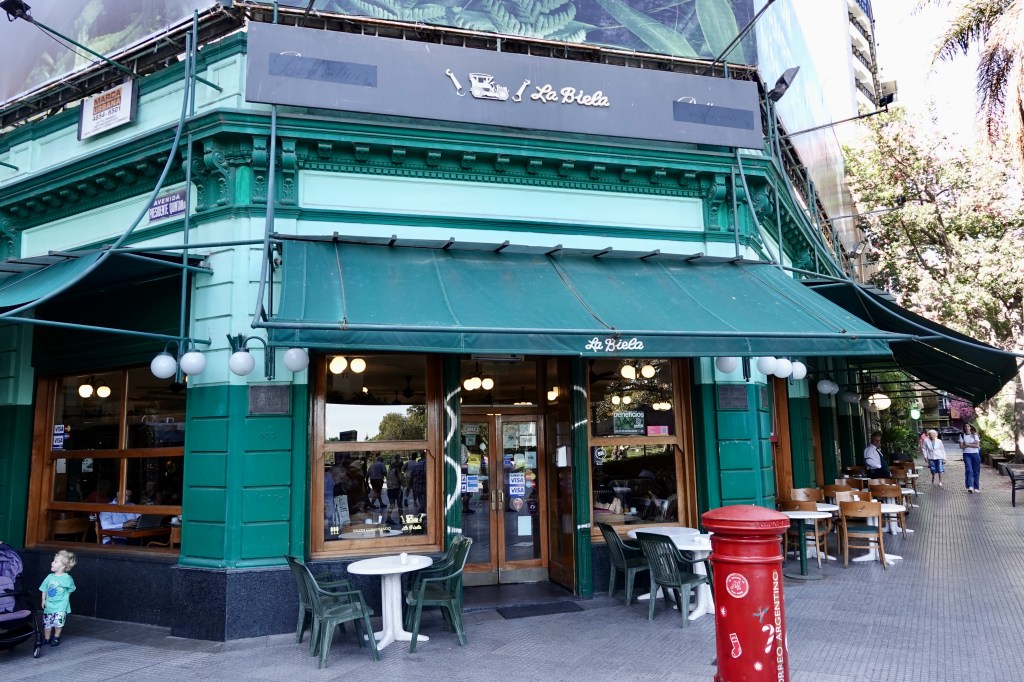
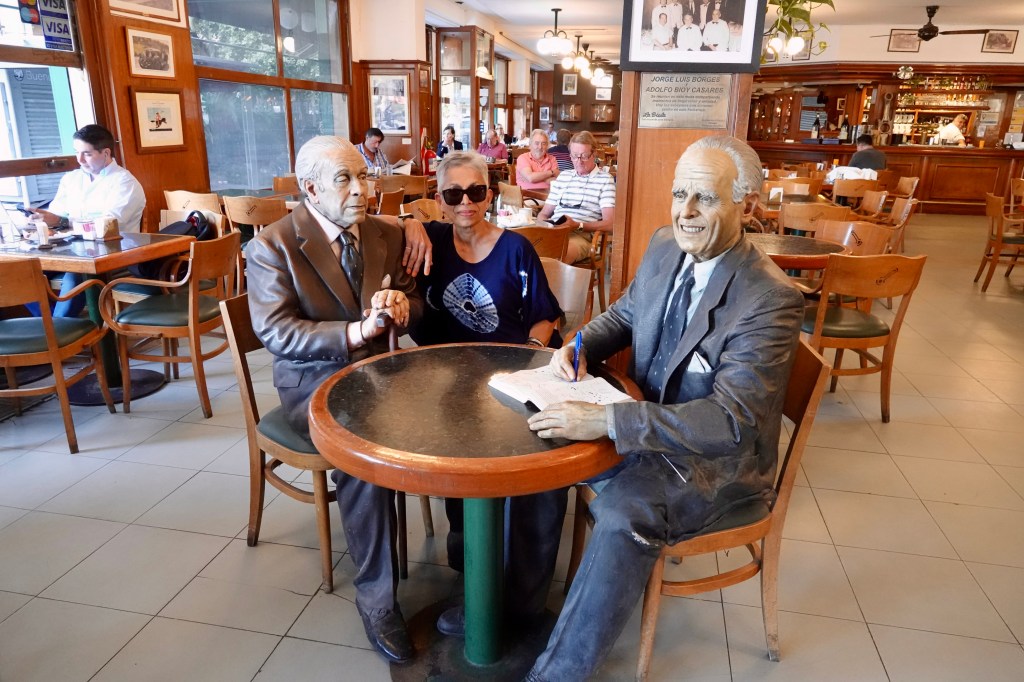
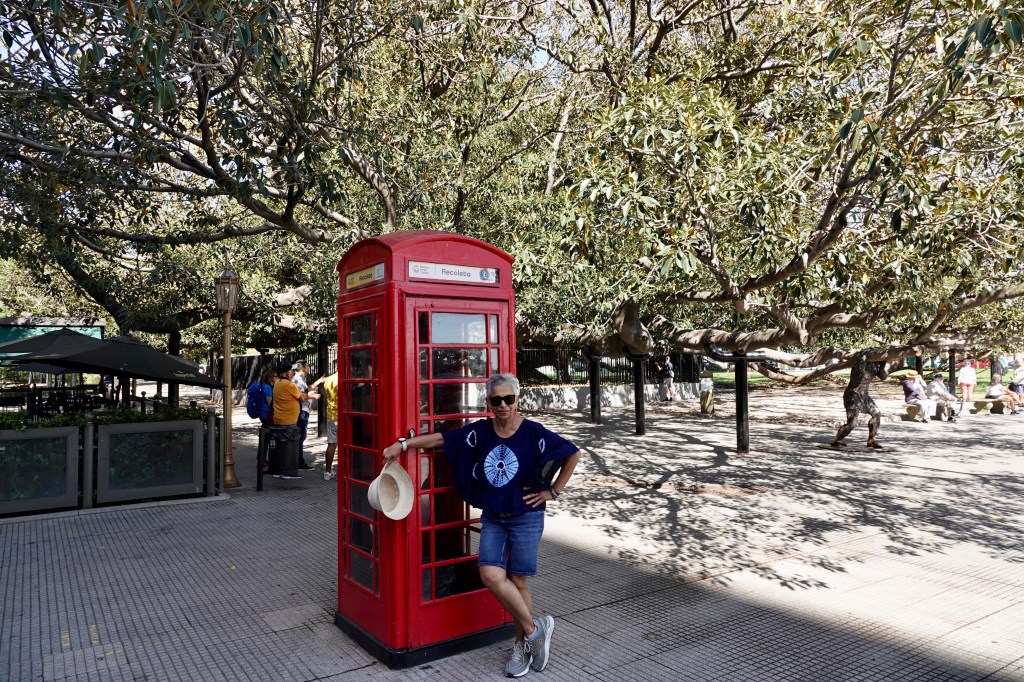
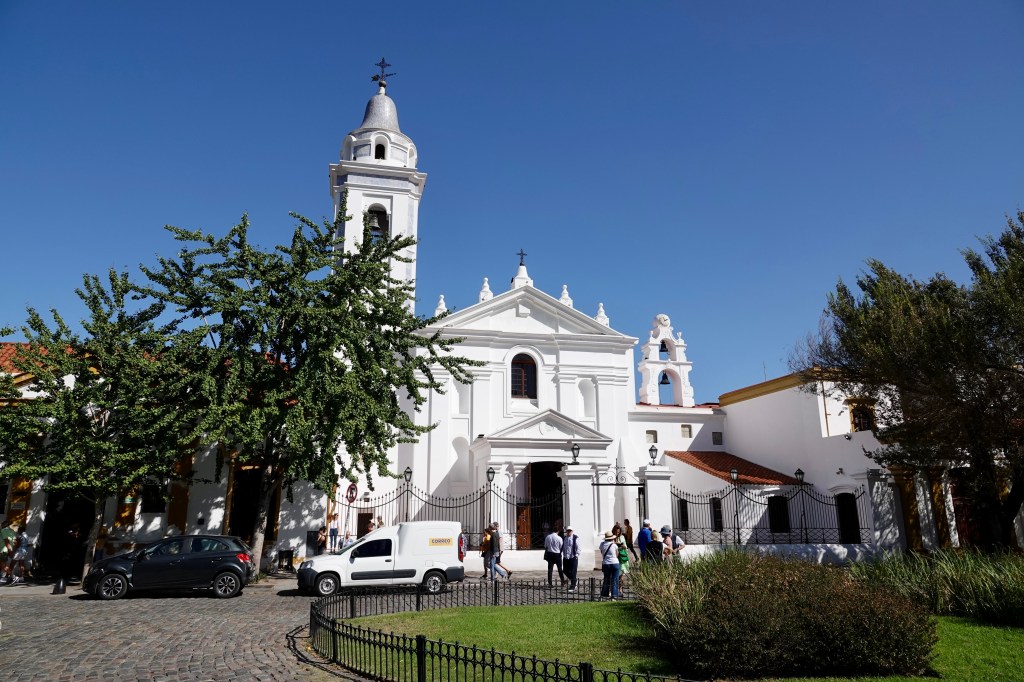
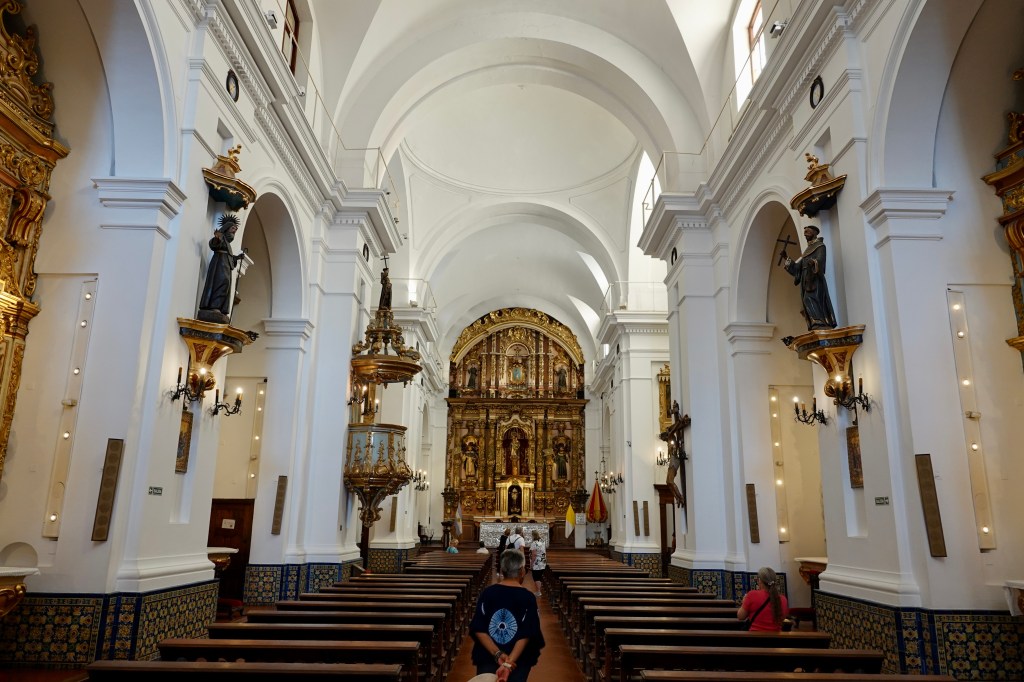
OK, enough reading (well done if you got this far), here are some photos from our tour on the coach and from Recoleta.
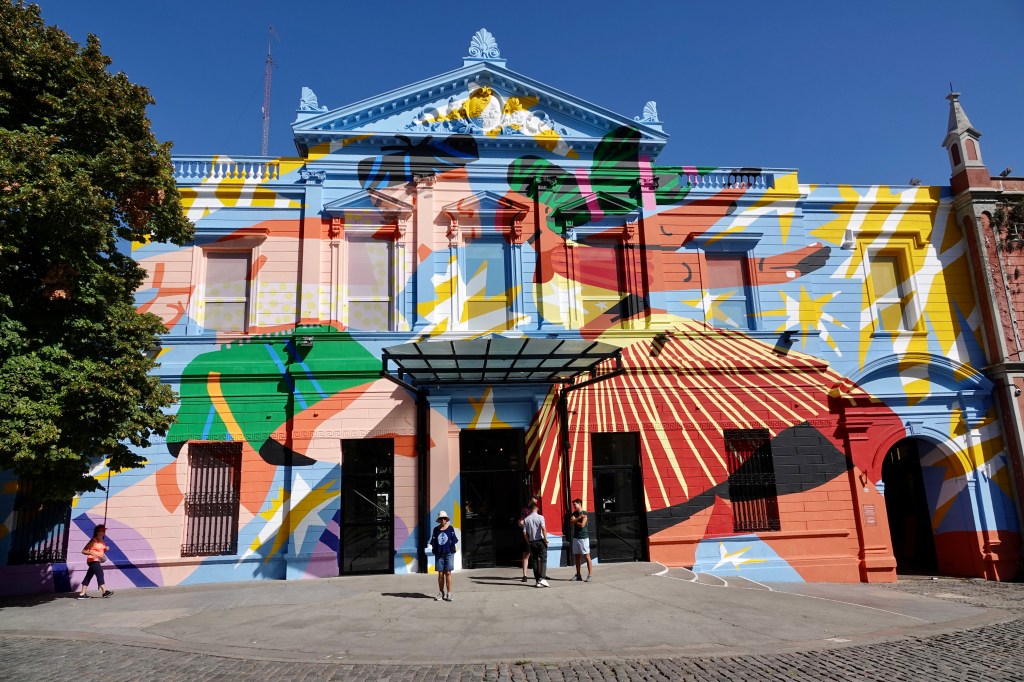
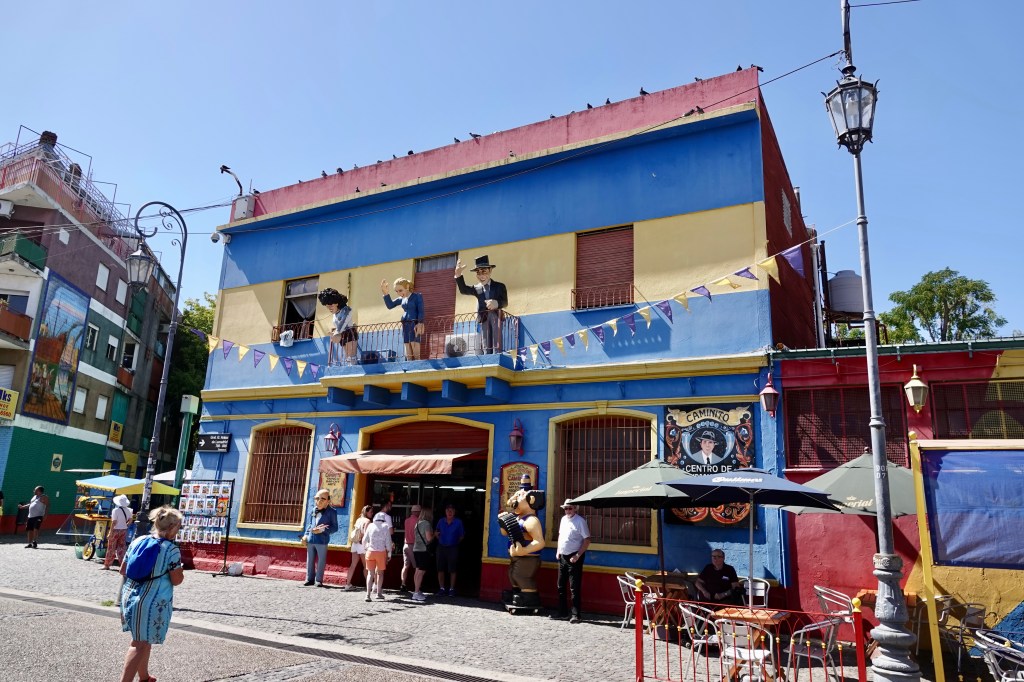
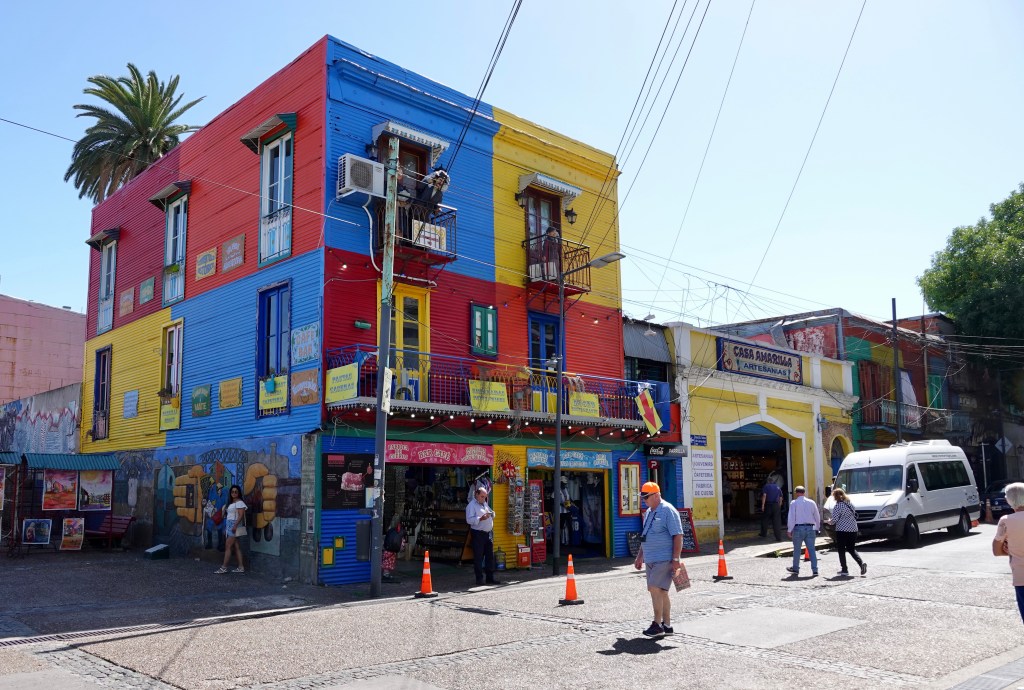
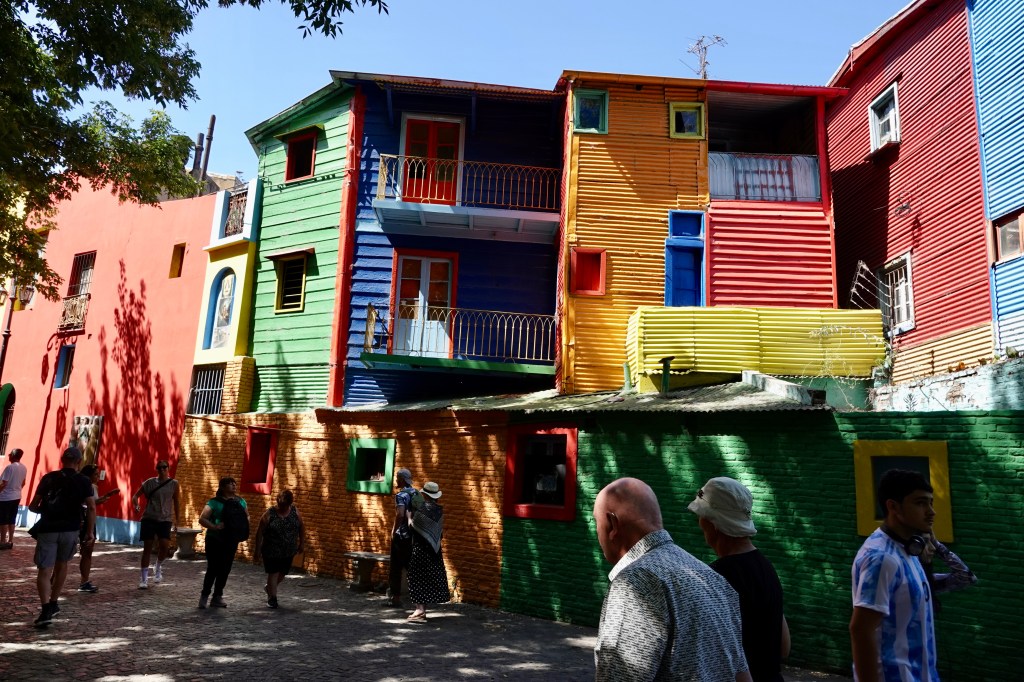
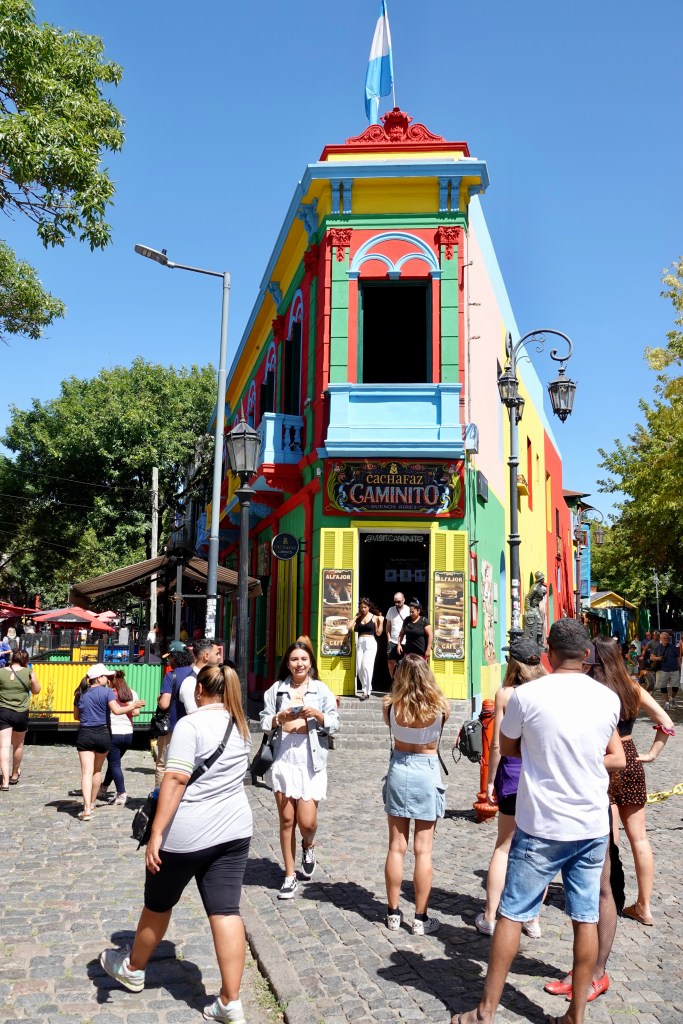
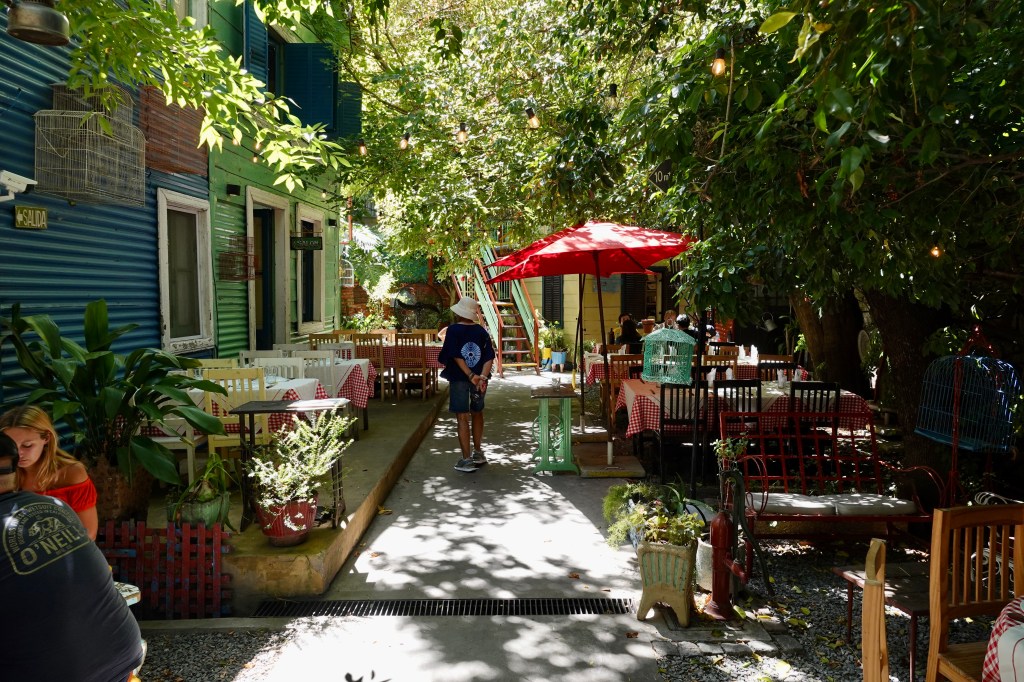
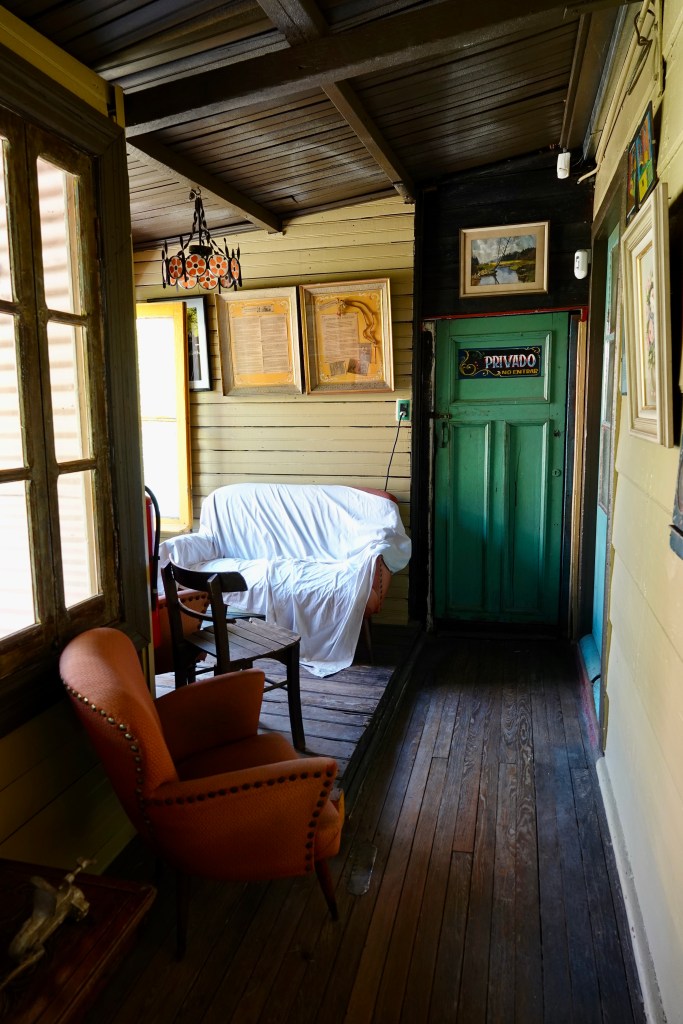
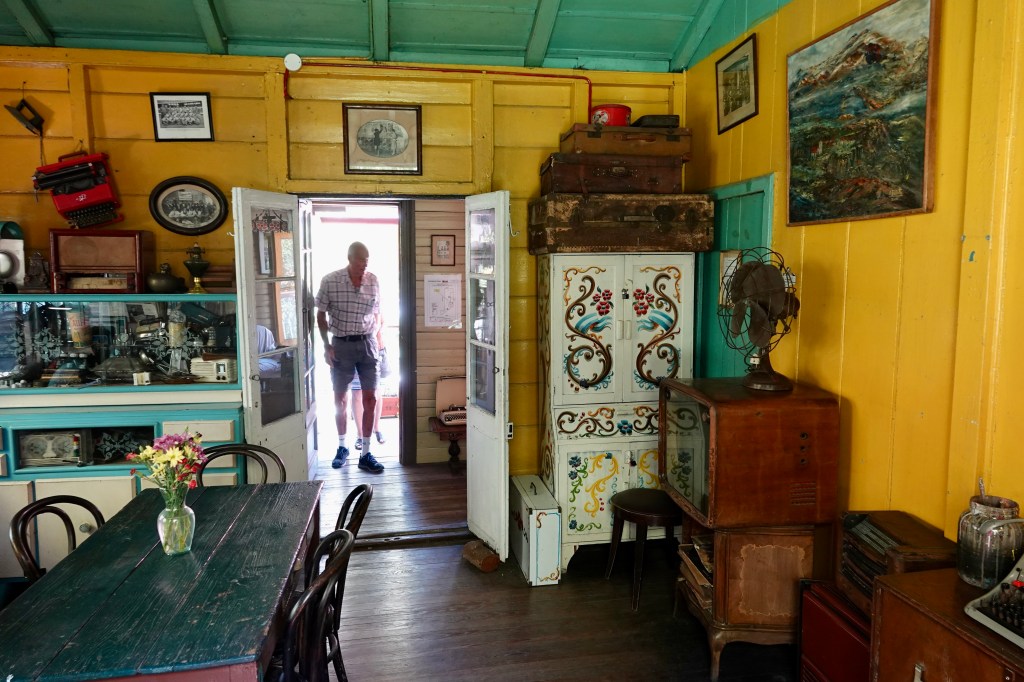
We next were driven south to the area known as La Boca. If I have got this right (oh for Wi-Fi and Wikipedia at one’s fingertips), at some point in the 19th Century (after 1880, I believe) there was a fever in this area and all the wealthy people headed north to the more pleasant area of La Recoleta, leaving the housing behind them. There was then a large influx of immigrants mainly from Europe (especially Italy, Spain, France, but also the UK and Eastern Europe and Russia), who took over the houses and mansions, but with one family per room. Apparently they did like to paint the outside of the houses, but it might have been a tin of red paint one month, a tin of blue the next, a tin of yellow after that etc. You can see the result in the photos.
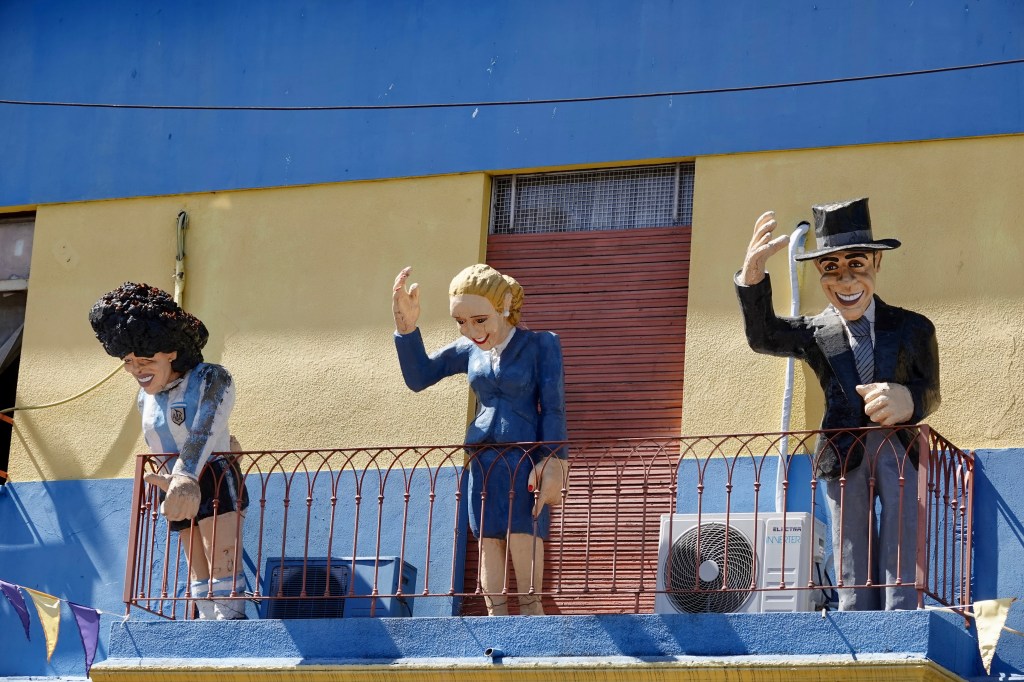
It is a bit of a tourist trap, but well worth a visit. The heroes of Argentina are all there from Evita to Maradona and Carlos Gardel, who brought the Tango to Europe in the 1910s. More recently, Lionel Messi has joined the pantheon, not least after Argentina won last year’s World Cup.
Part of the tour included a tasting of the local favourite drink, mate (that should have an acute accent on the e – I can’t find out how to do it without the internet!). This is a little like bitter tea, though it is the leaves of a separate tree, which you fill half a gourd with, then add hot (80 degrees is best) water to make a sort of pulp, let it draw and then top up with more water. You can also add sugar if you wish. You then sip it through a filtered metal straw. I have to say, it would be an acquired taste, but it is huge in both Argentina and Uruguay.
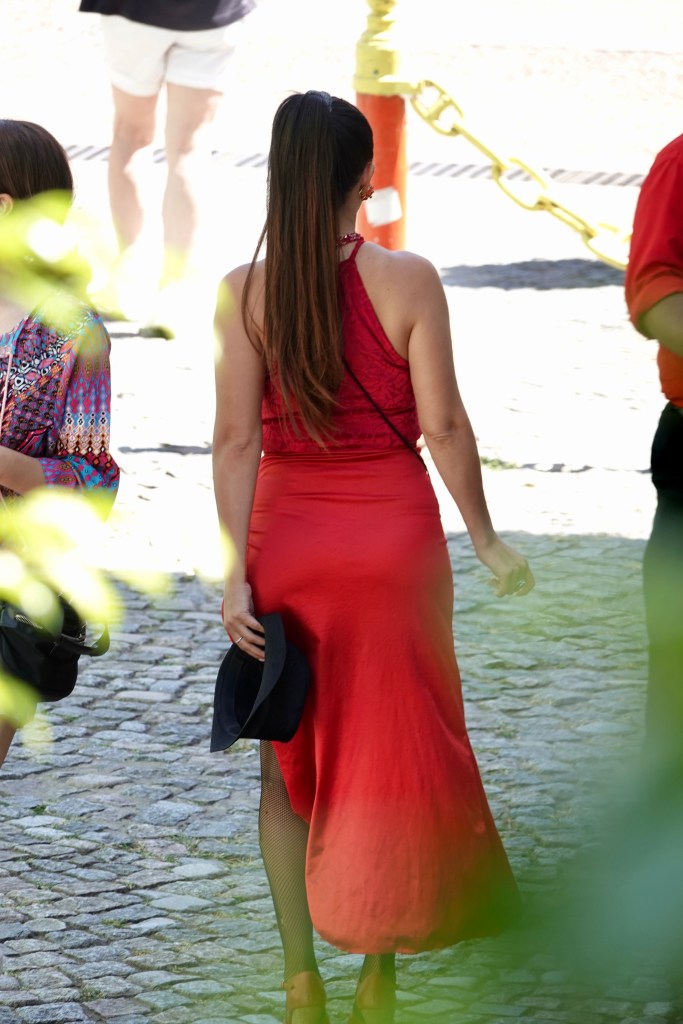
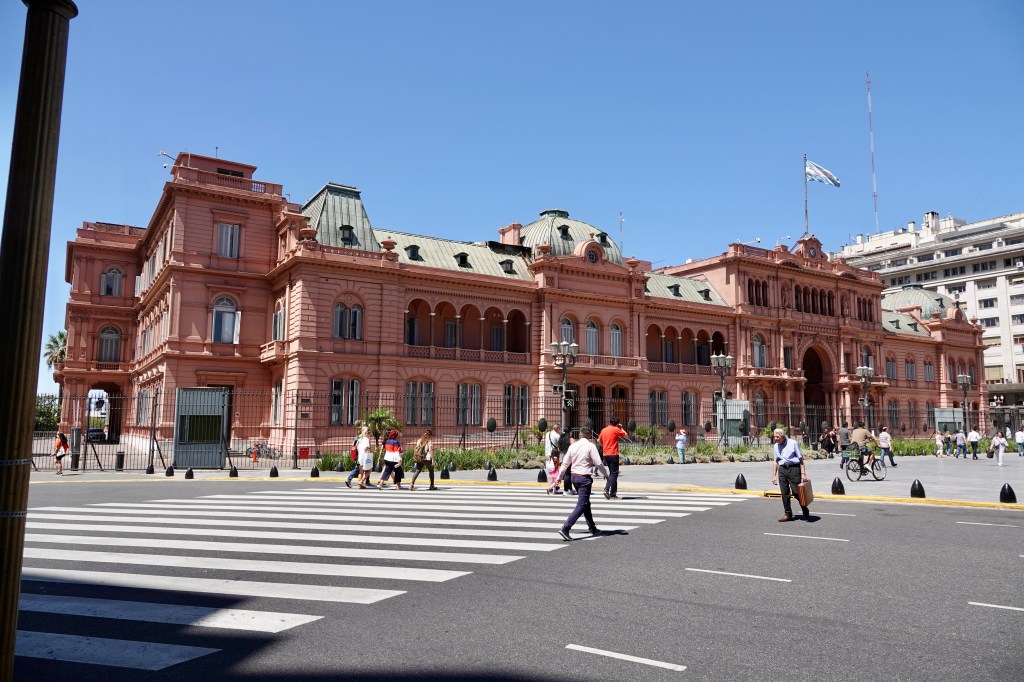
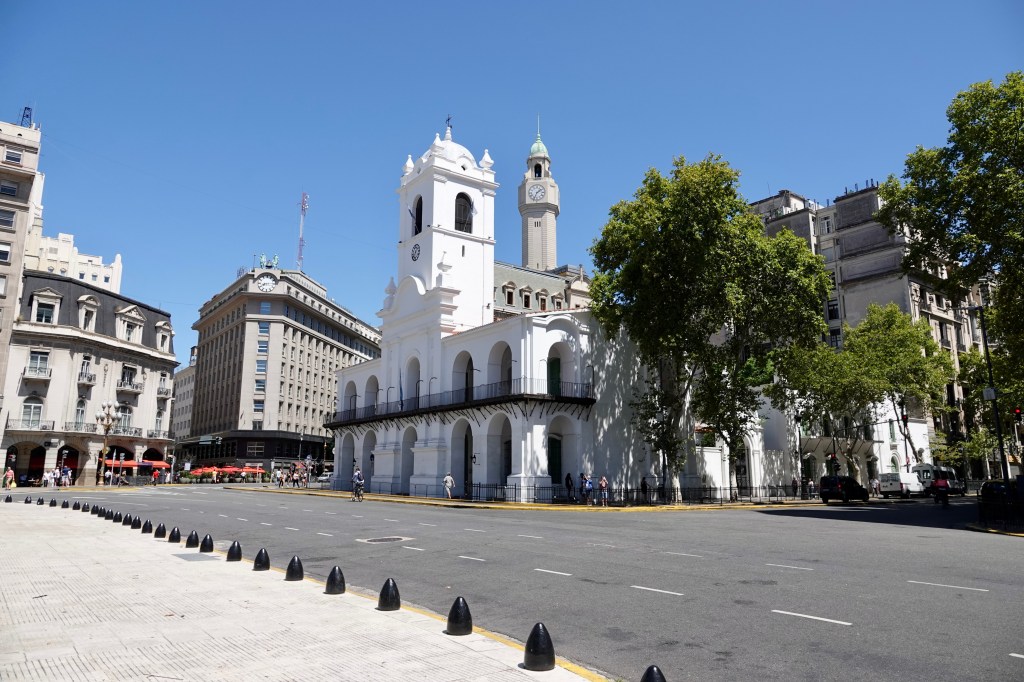
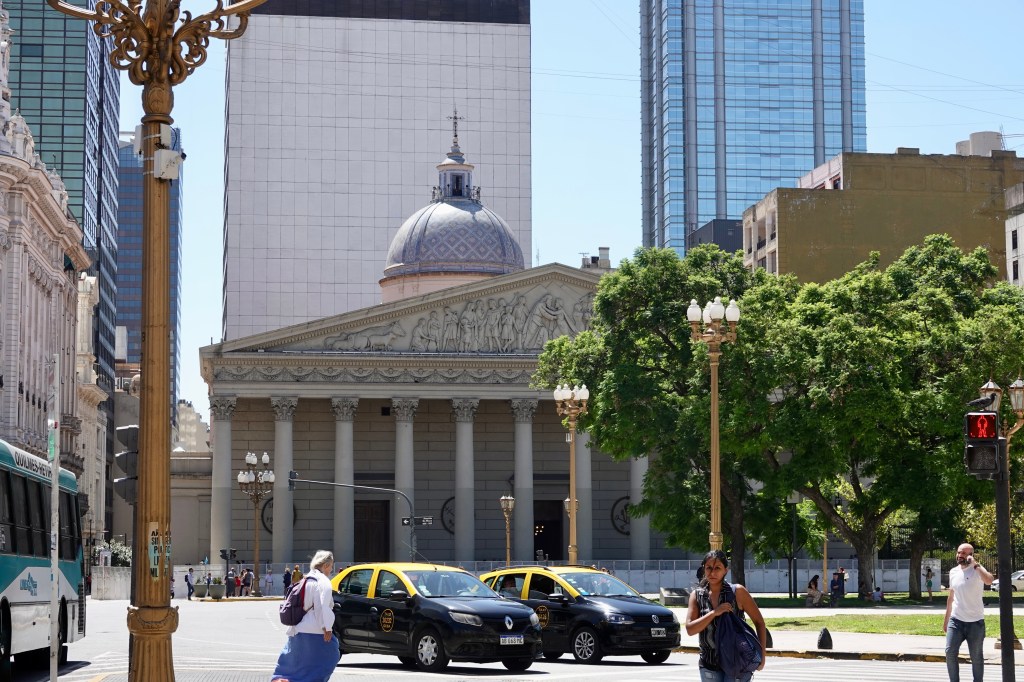
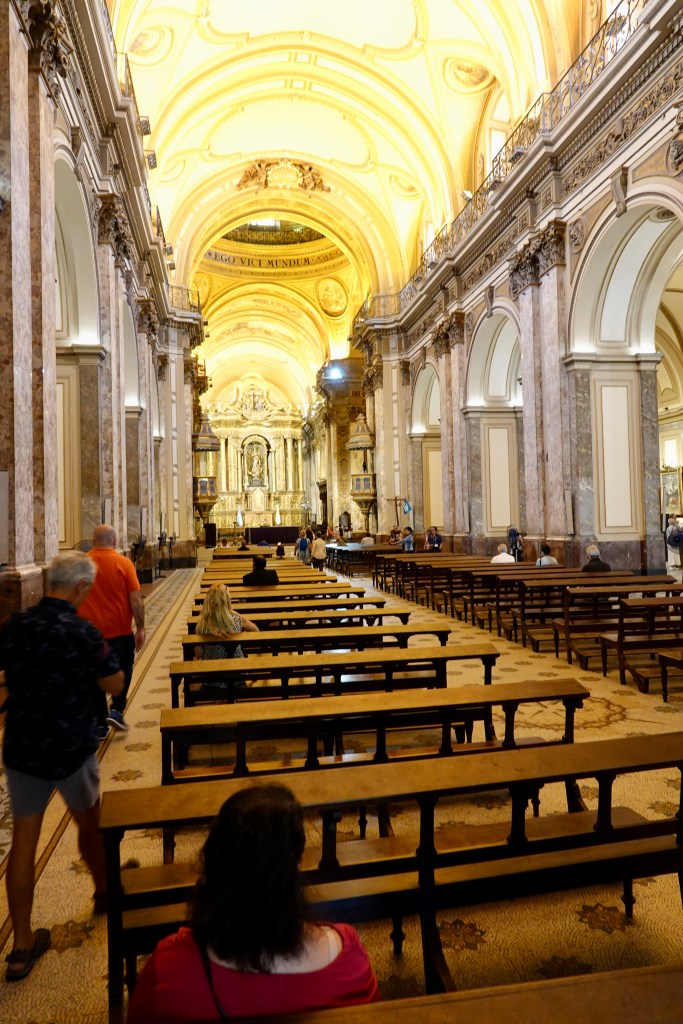
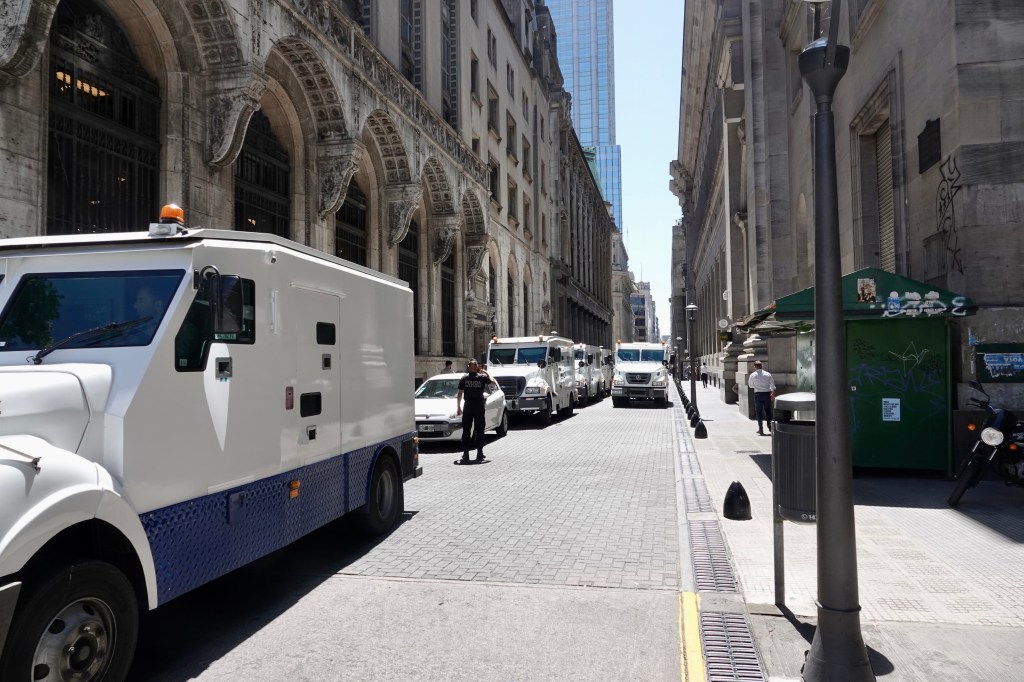
It was then off to the Plaza de Mayo, the centre of the city, where you can find the Casa Rosada, which houses the presidential offices and where famously Eva Peron addressed the throngs of impassioned supporters packed into the Plaza. There is also the Cabildo, which is the mid-18th century town hall building and is now a museum. By the way, Mayo means May and commemorates May 1810 when the Argentines declared independence. There is also Catedral Metropolitana, which was finished in 1827. Don’t forget that the current pope, Pope Francis is from Argentina! There is also the national bank – the photo below with all the armoured vans parked outside it may say something about the current economic crisis and the printing of money for the ATMs!!
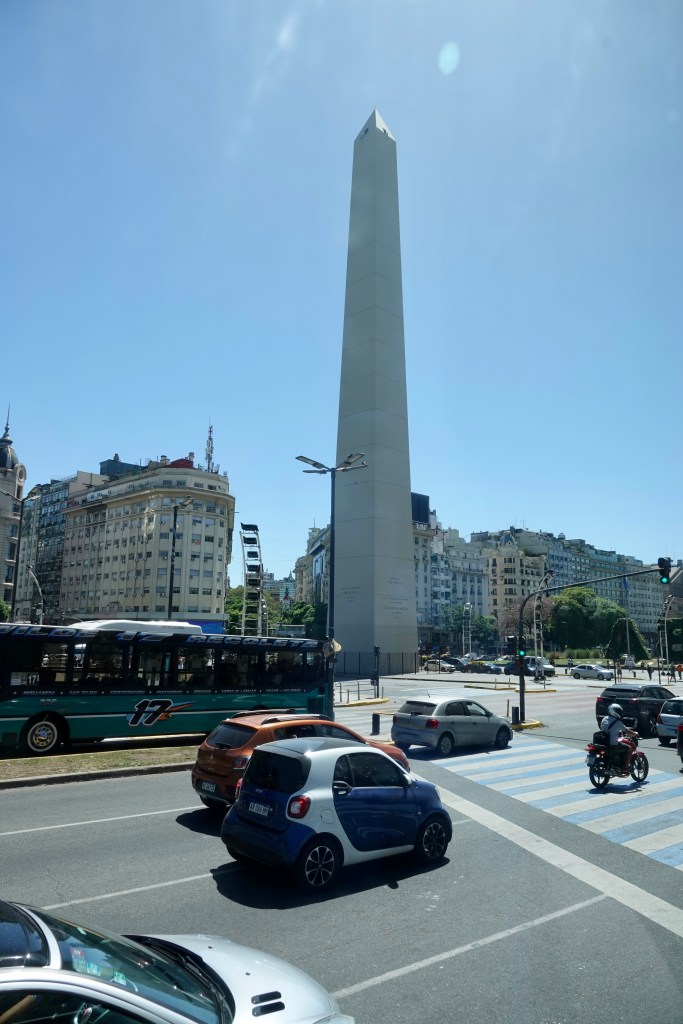
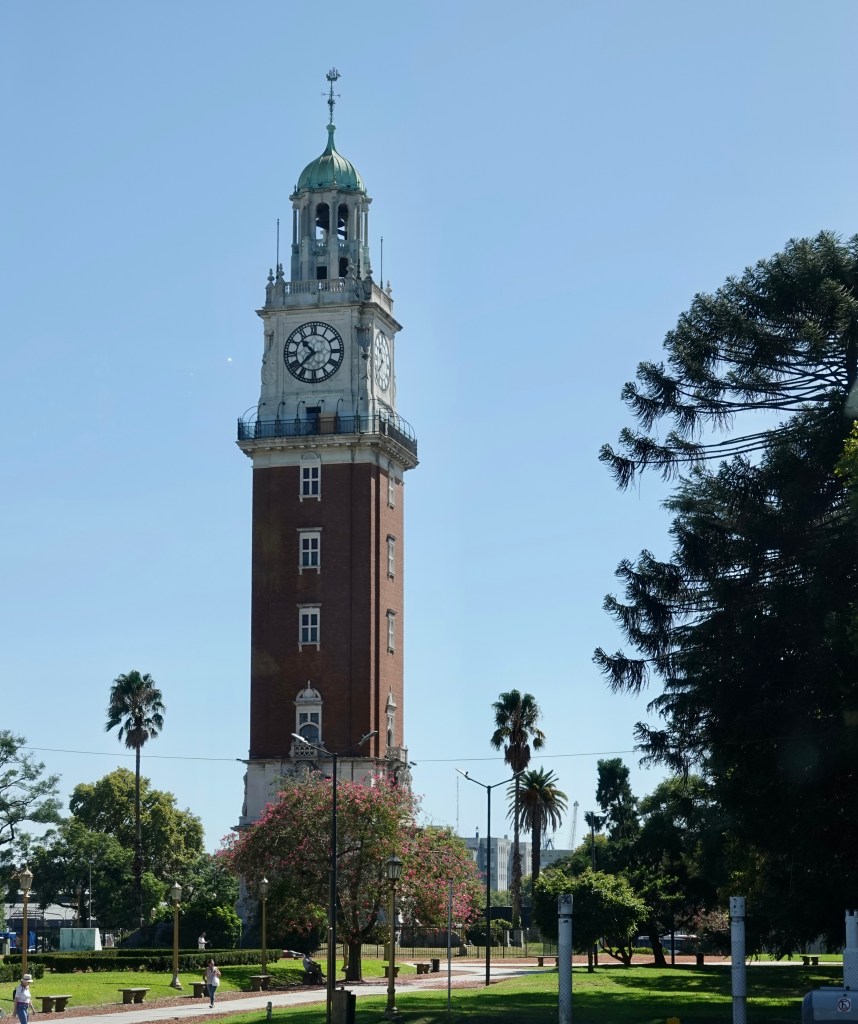
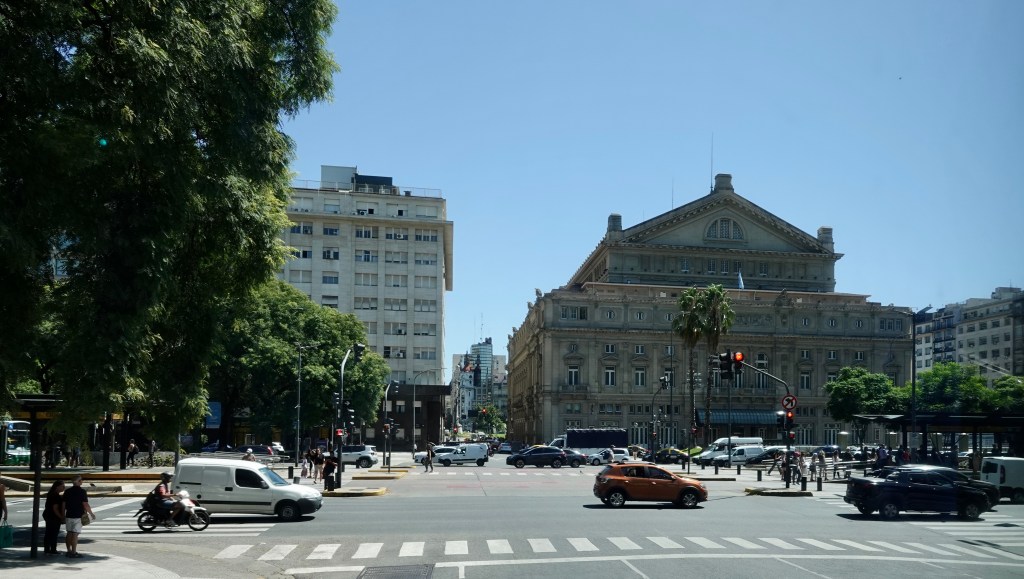
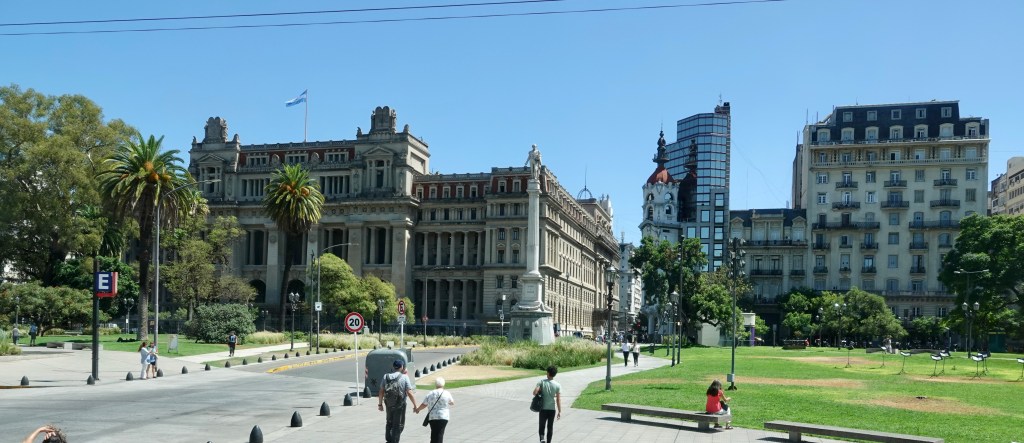
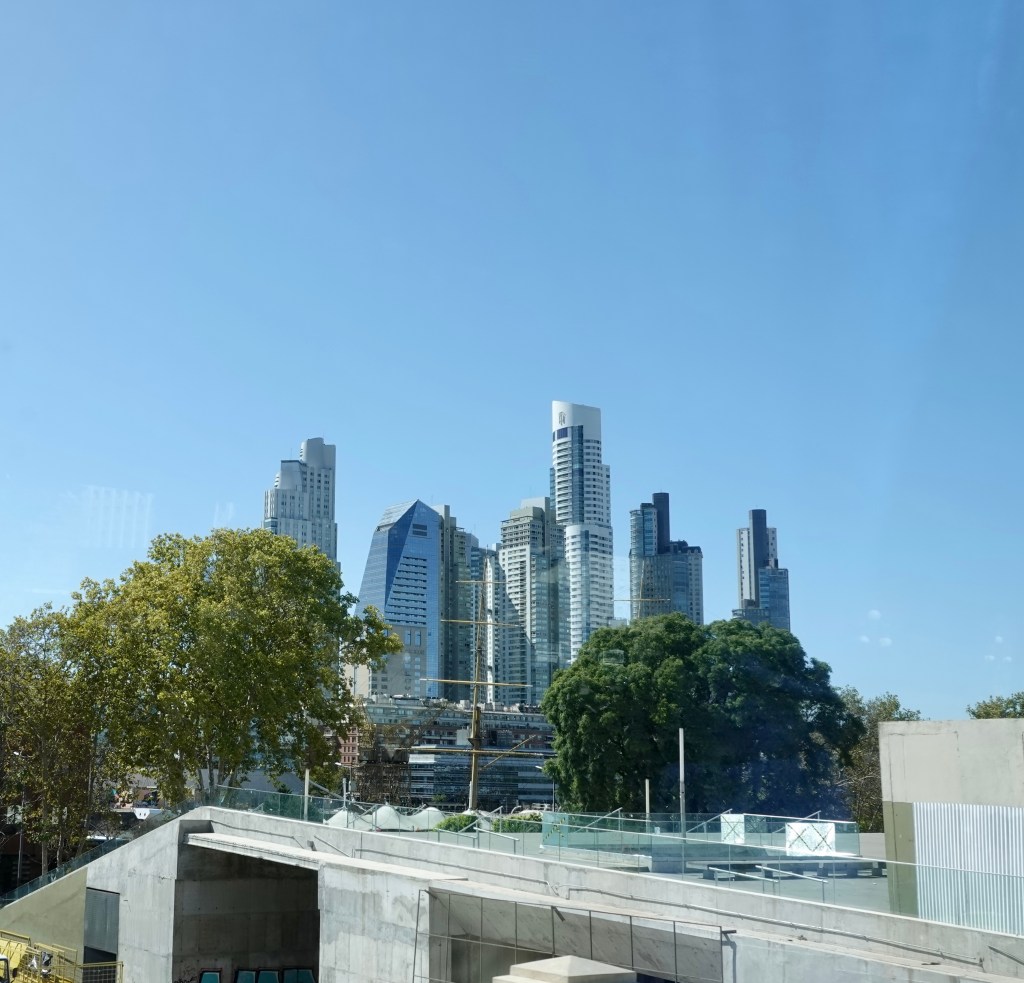
There is so much more to see, but unfortunately time was against us. We did see the following from the coach…
It was then back to the ship, but that was not the end of our stay in Buenos Aires. More in the next post!!!

 Mr Benn's Blog