19th to 20th February, 2024
Our original plan for Monday had been to visit the Sultan Qaboos Grand Mosque earlyish and then head for the town/city of Nizwa (of which more soon). However, for some reason (of which more soon), Val’s mobility was very poor, so we set off a bit late. We made it OK to the mosque and popped Val into the wheelchair and with Ahmed driving, set off to explore the Grand Mosque.
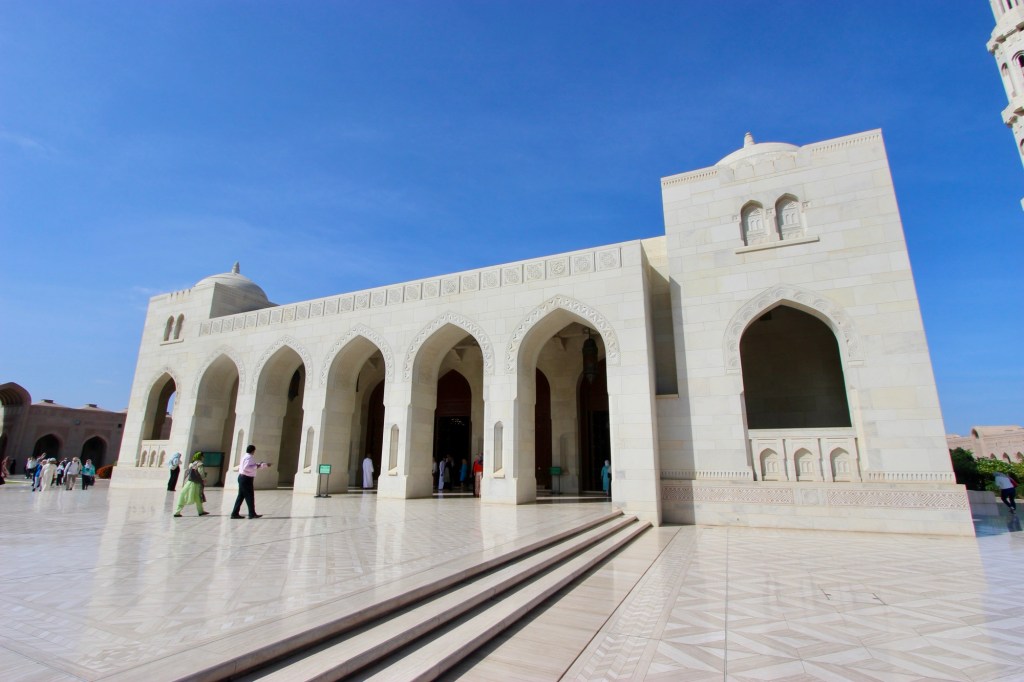
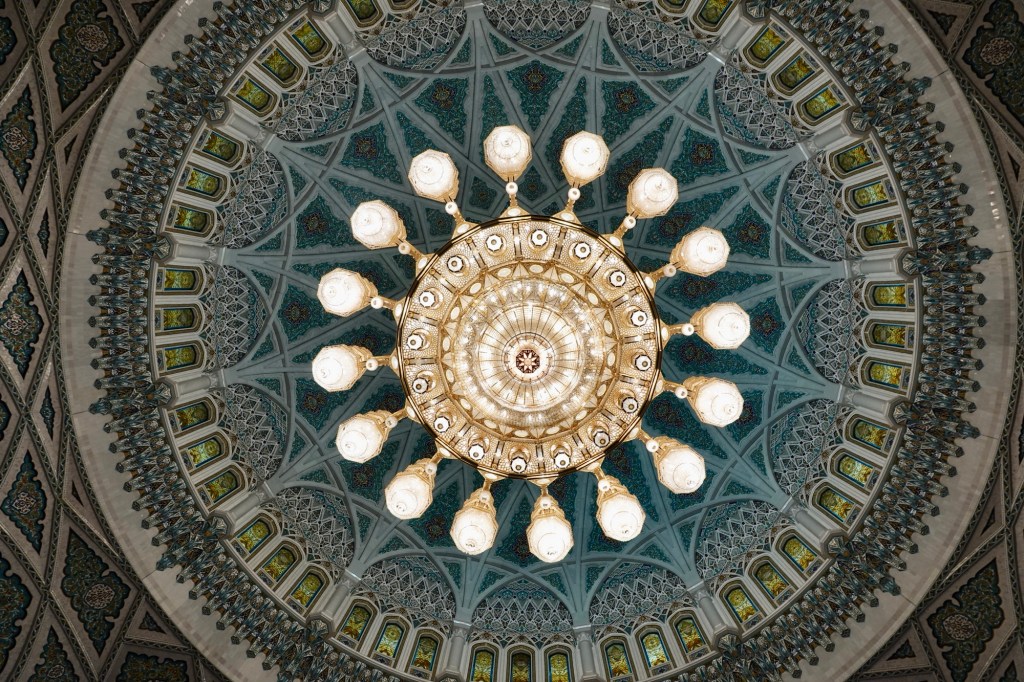
First of all, let me tempt you with a photo. Please remember that the wide-angle lens makes everything seem a bit less tall…

It is seriously impressive and very large and beautiful. A bit of background…
Sultan Qaboos seized power in a bloodless coup in 1970 (with the help of the British who were concerned about pro-Soviet influence in the Gulf) and set about modernising the country, marked by increased spending on health, education and welfare. Indeed, slavery was outlawed in 1970!! In 1997 women were given the right to vote and stand for election to the Consultative Assembly and in 2002, the vote was given to all citizens over 21. Now, before you start getting excited, do note that Oman is an autocracy with the Sultan’s word being the law. He also controls the judiciary, the police and the armed forces (where spending is very, very high.) A benign despot, effectively, but one that will not brook any criticism. Sultan Qaboos died in 2020, leaving behind the Grand Mosque, the Royal Opera House and numerous other projects and raising Oman from a bit of a fading, but important port at Muscat to a proper 21st Century state. You can find a lot more on Wikipedia, of course.
Now then, the Mosque. It was decided in 1992 (by Sultan Qaboos) that the country should have a Grand Mosque and, after 300,000 tonnes of Indian Sandstone had been imported, it was inaugurated in May, 2001. It can handle 6,500 (male) worshippers in the main musalla or prayer hall, though this can swell to 20,000 once the courtyards and passageways are used. The ladies’ musalla can accommodate 750 worshippers.
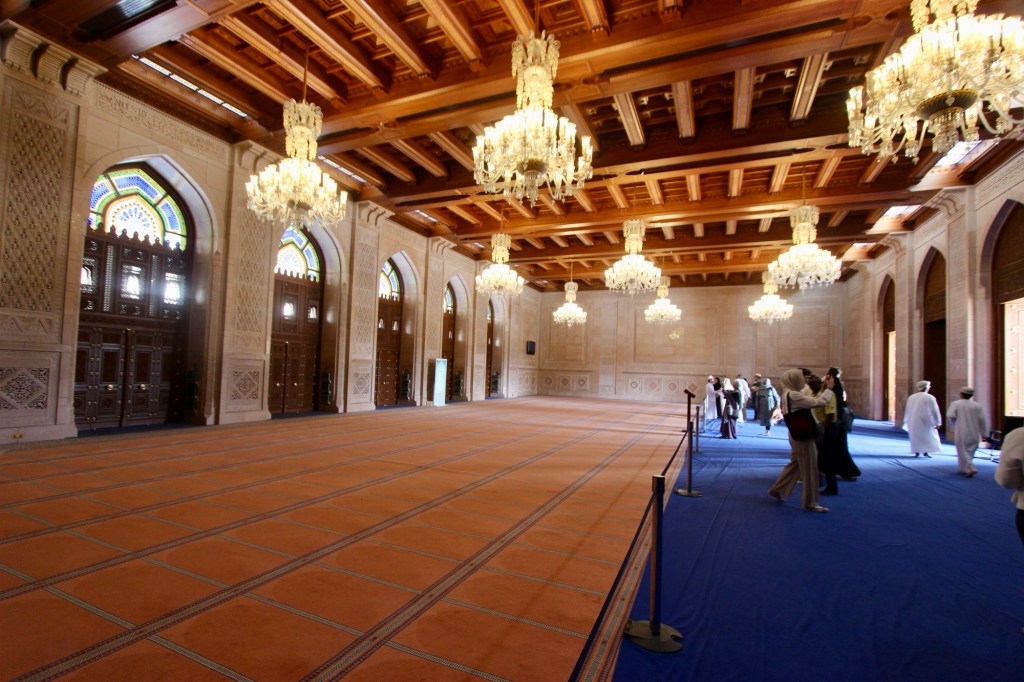
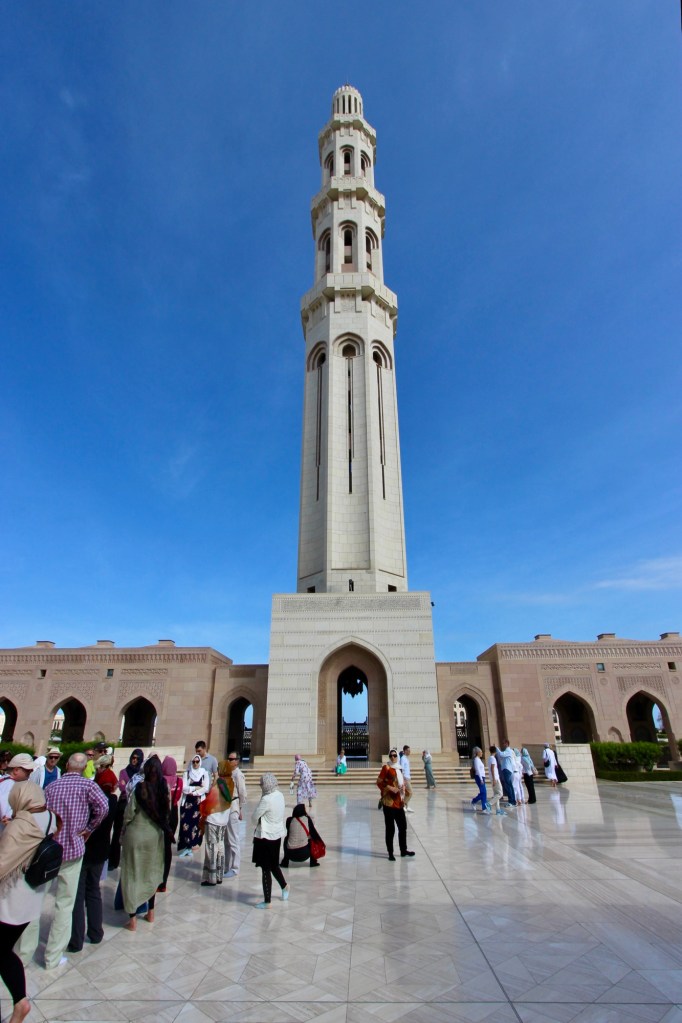
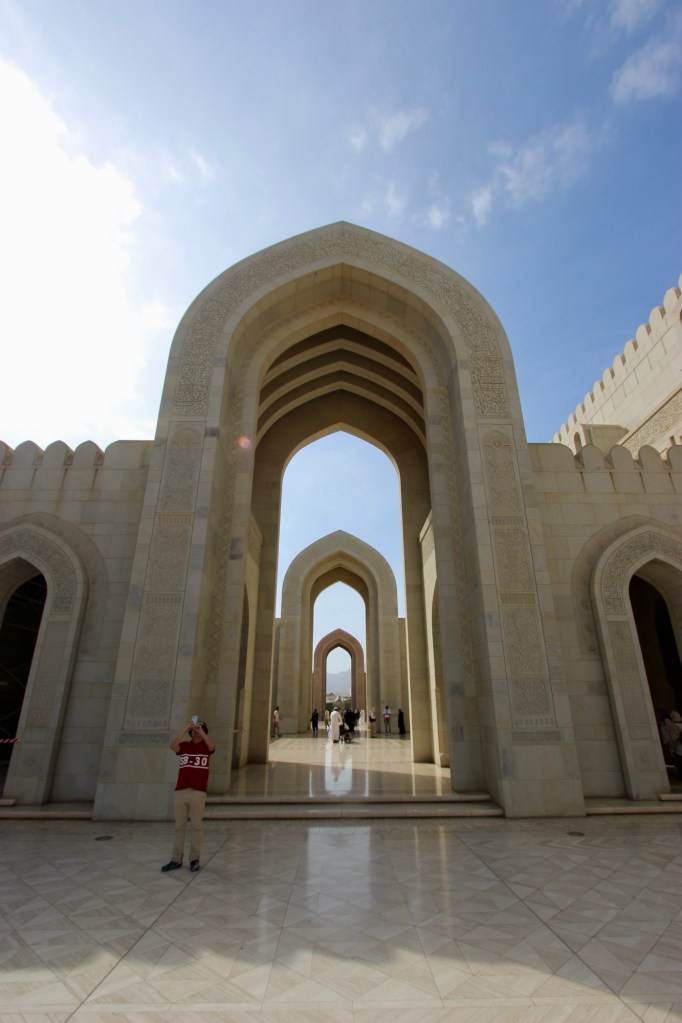
Now, the interior is very impressive. The main prayer hall is 74.4 metres by 74.4 metres (244ft x 244ft) and the central dome is 50 metres high.
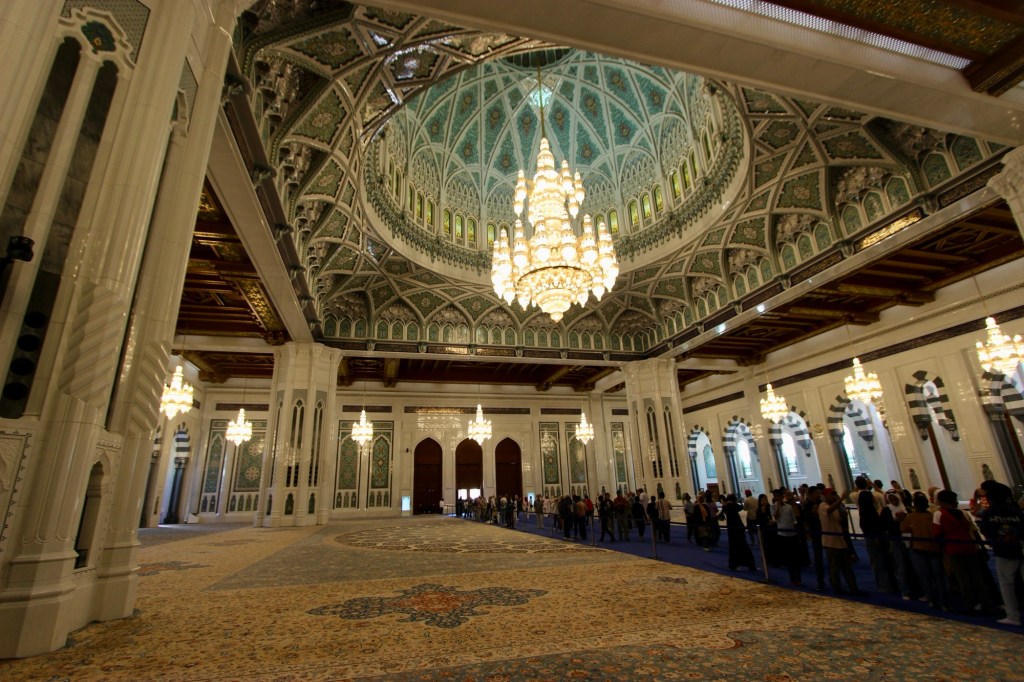
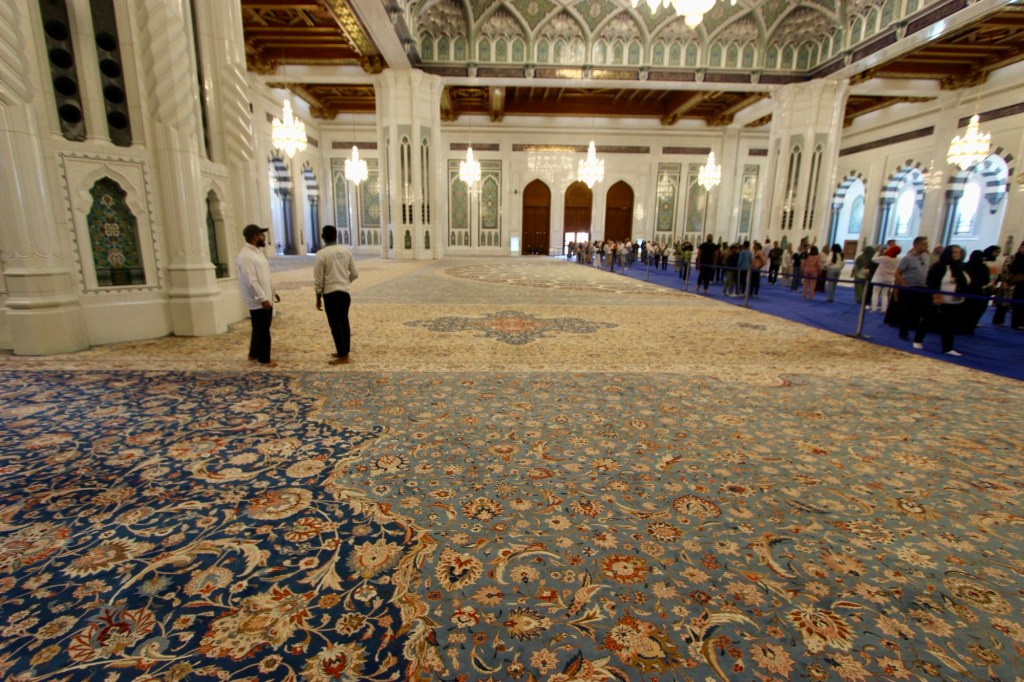
Two features particularly stand out. One is the carpet. It contains, 1,700,000,000 knots, weighs 21 tonnes and took 600 weavers four years to produce (in situ). It used to be the largest single-piece carpet in the world, covering 4,343 m2, but is now the second, after the Sheikh Zayed Grand Mosque in Abu Dhabi, the UAE, weighing in at 5,453 m2.
The second feature is, as you may have noticed, the chandelier! It is 14 metres (46 feet) tall and was manufactured by the Italian company Faustig. It weighs 8.5 tons, includes 600,000 crystals, 1,122 halogen bulbs complete with a dimming system, and includes a staircase for maintenance within the chandelier. Thirty-four smaller chandeliers of the same design are hung in other parts of the building.
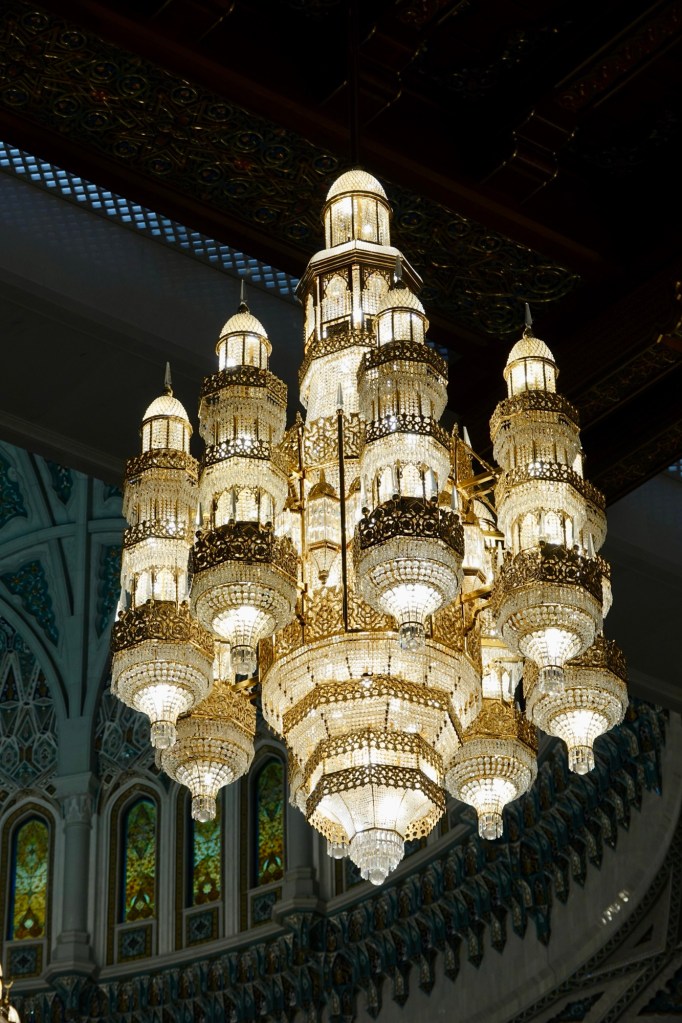
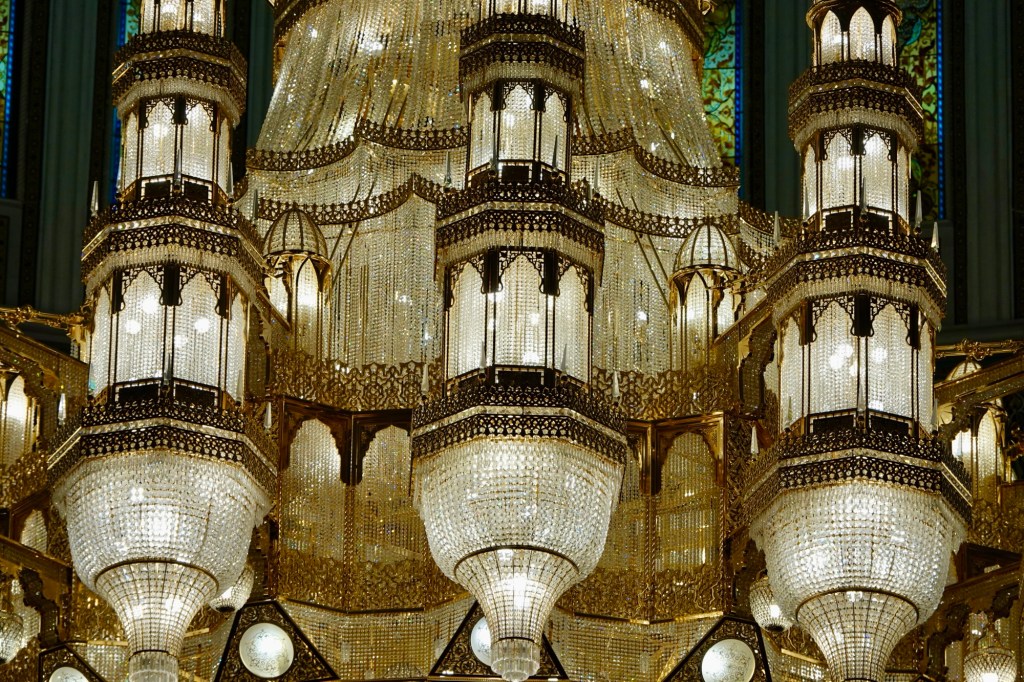
There is some dispute as to whether this is the largest chandelier in the world as the one at, you guessed it, the Sheikh Zayed Grand Mosque in Abu Dhabi, the UAE may have outstripped it. It rather depends if you go for size or weight. Whatever, it is awesome!

Ahmed took us along some of the lovely cool, covered walkways which featured lots of beautiful niches, representing different styles from around the world and across the centuries. The following are just a few…
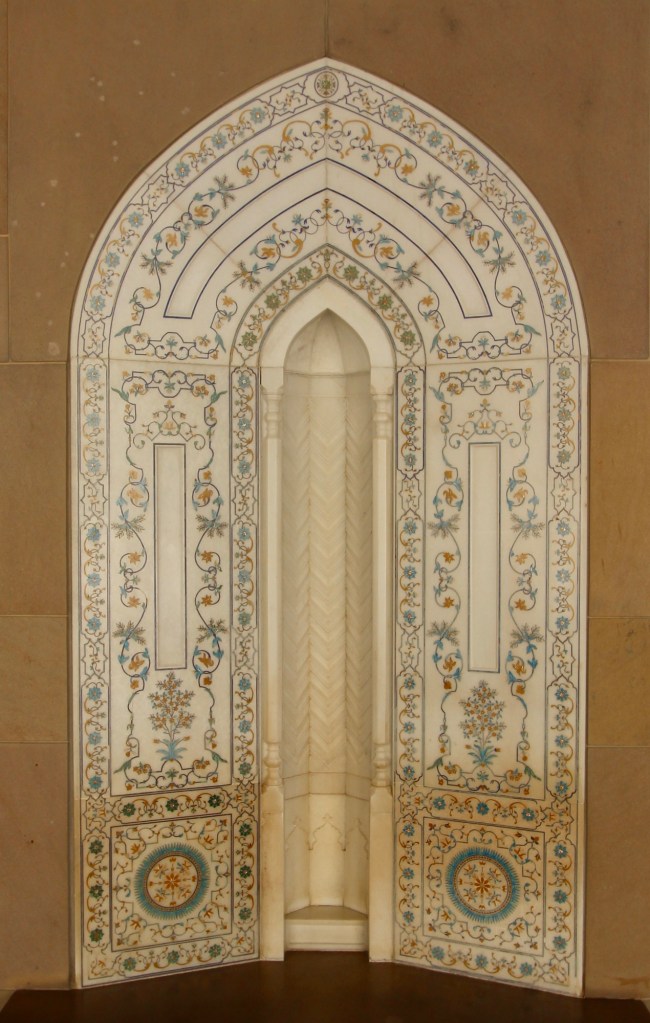

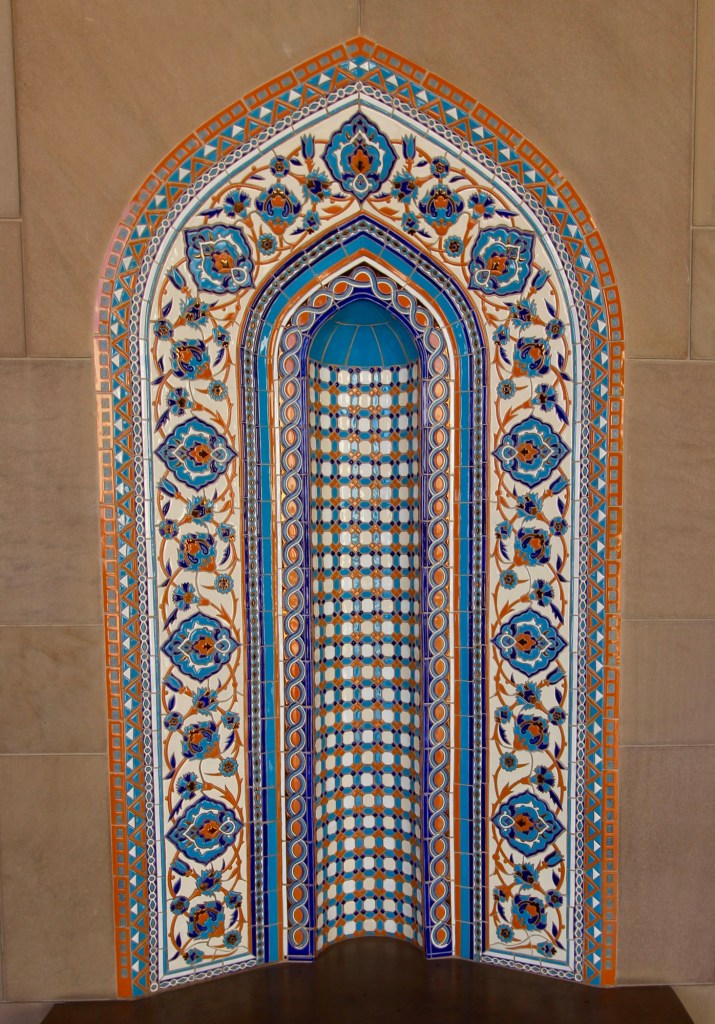
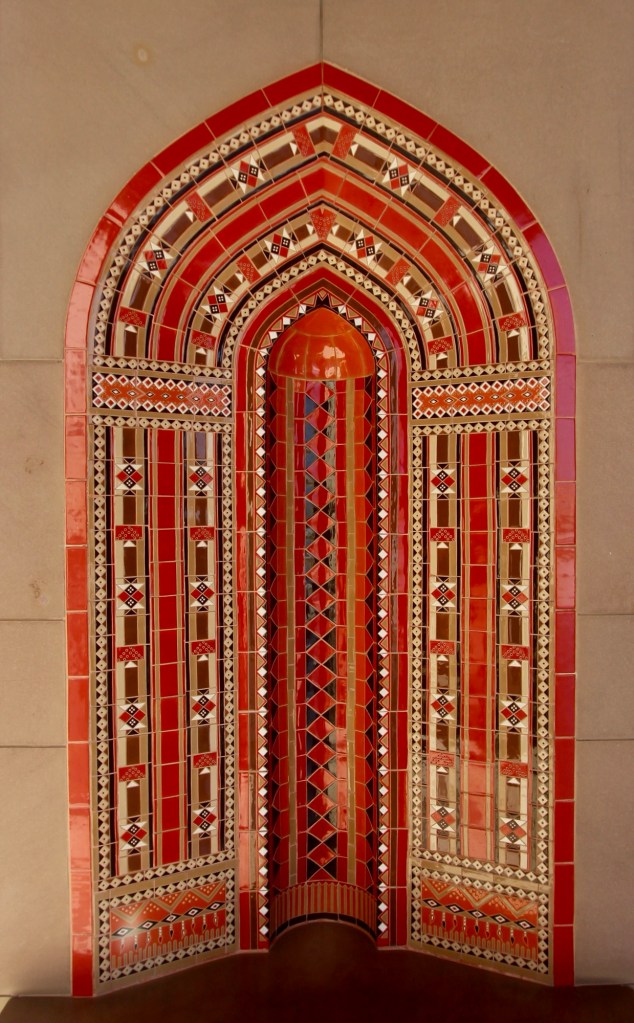

I wish I had had time to photograph all of them!!
Finally, in tribute to Ahmed….

Val had struggled all day and we were at a loss as to why, since she can have maybe a bad hour or possibly even two on occasions, but she had been very immobile for the whole trip, so we decided to postpone Nizwa for another day. We actually found out the reason for the difficulties when we got back to the hotel, which was that the line for her pump had come loose, presumably quite early on in the day and she had not been getting her medication. This was something of a relief as it was not something worse and was easily fixed.
The next day, with Val feeling vastly improved, but with Ahmed busy in the morning, we took a trip the Grand Mall, which was OK if a bit the same as many other malls we have seen over the years with the exception of the vast number of perfume stalls and shops. Apparently it is a very big deal here for men and women.
Ahmed picked us up at 3pm from the mall and it was off to the nearby Royal Opera House of Muscat, not an institution you might expect in Arabia, but very fine nonetheless. Sadly there was nothing playing in the main auditorium during our visit…
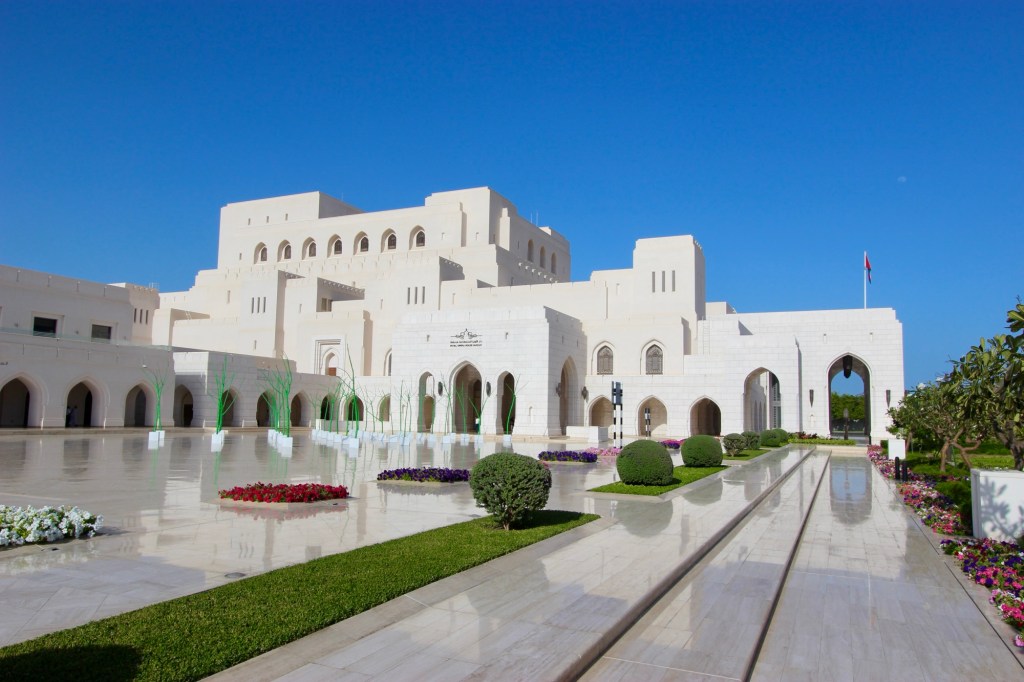
Construction started in 2007 and was completed in October, 2011. It can seat 1,100 in the main auditorium with other venues for smaller productions.


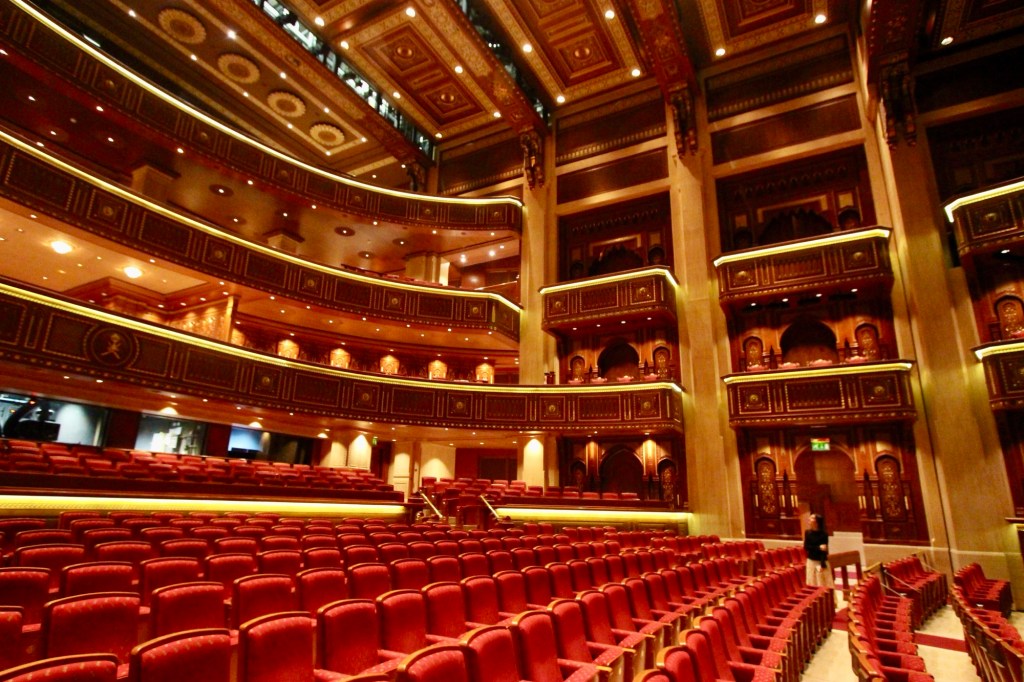
It was stunning and a super venue for productions. However, it was now off to our next destination, the Bait al-Zubair Museum, via the main Muscat beach, Qurum Beach.
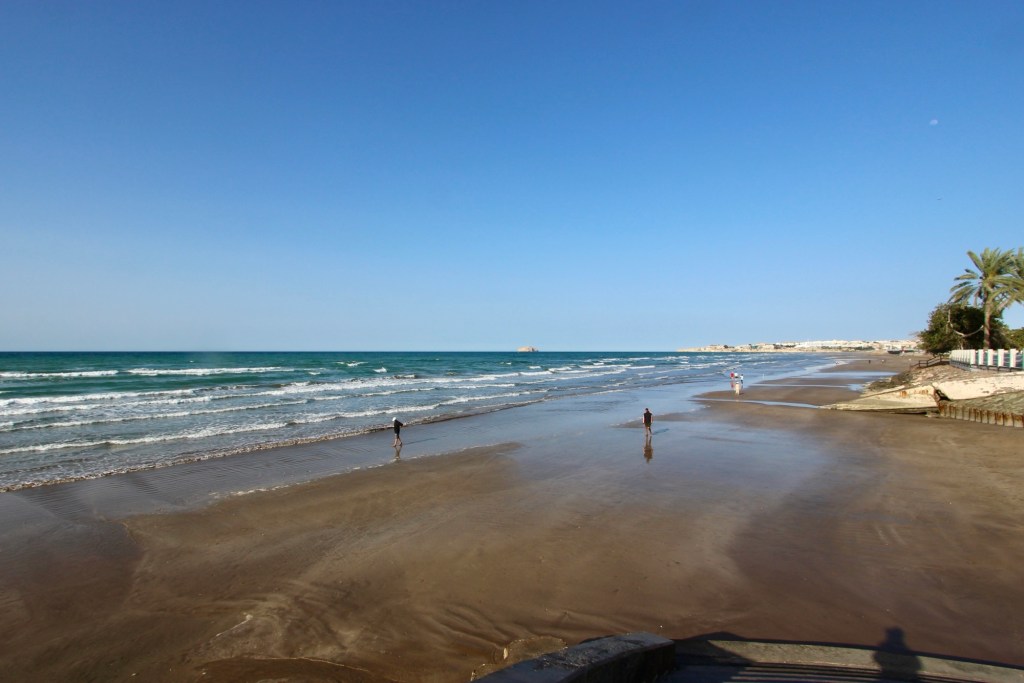

We pitched up at the museum, which is a small private museum in the home of the Zubair family. It was excellent and very well-explained and it was a shame we arrived a little late and could not have stayed longer as we missed some good bits, I fear. What we did see, especially about Omani dress, was fascinating and an excellent insight into local customs.

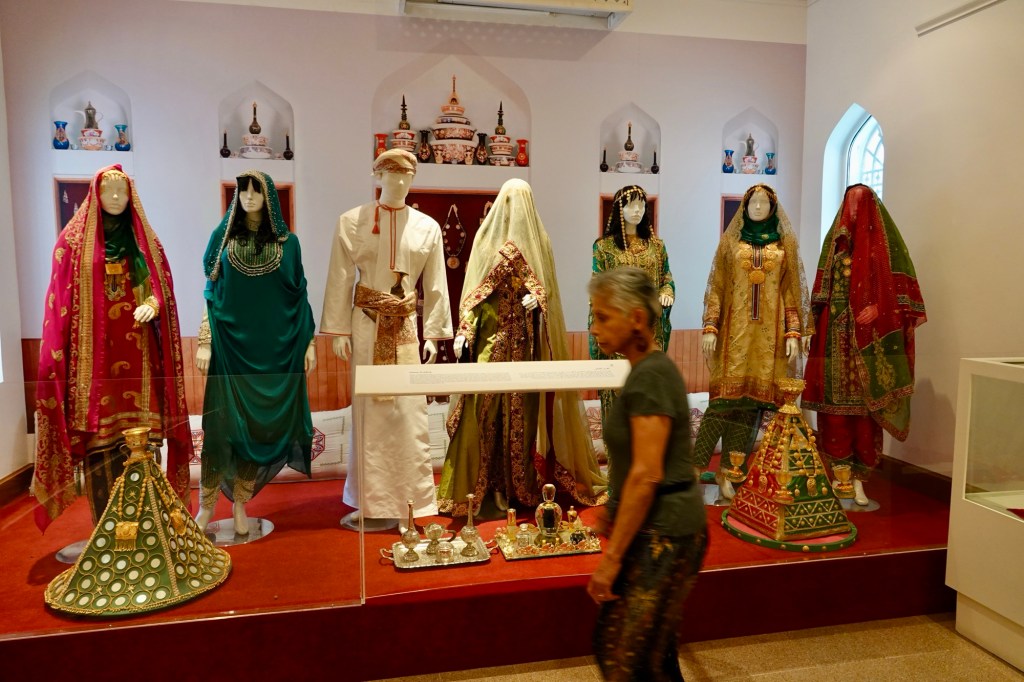
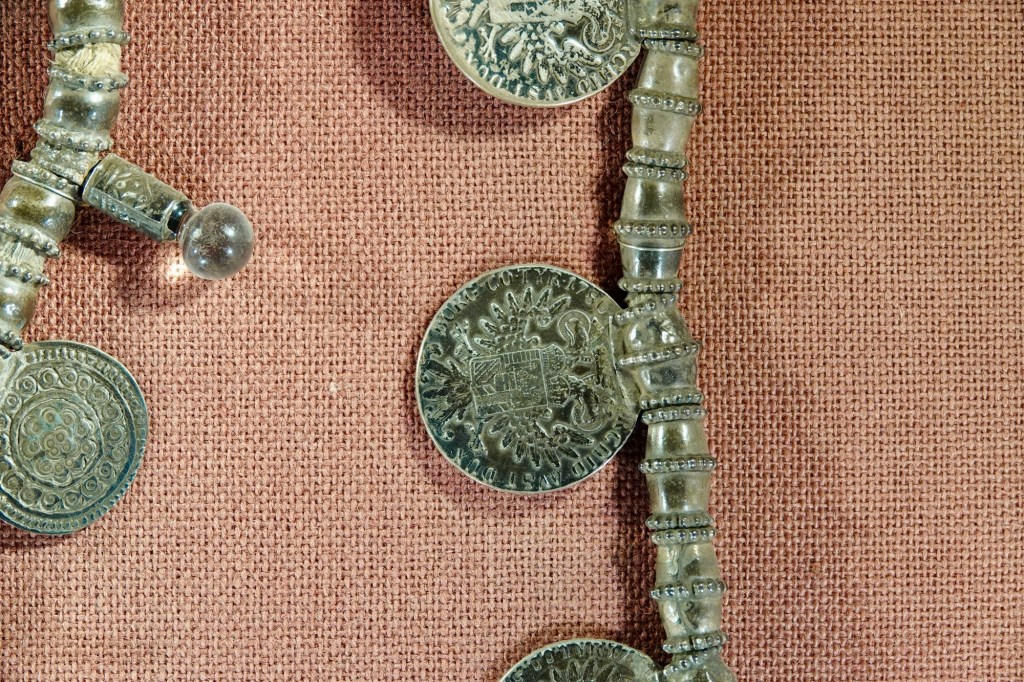
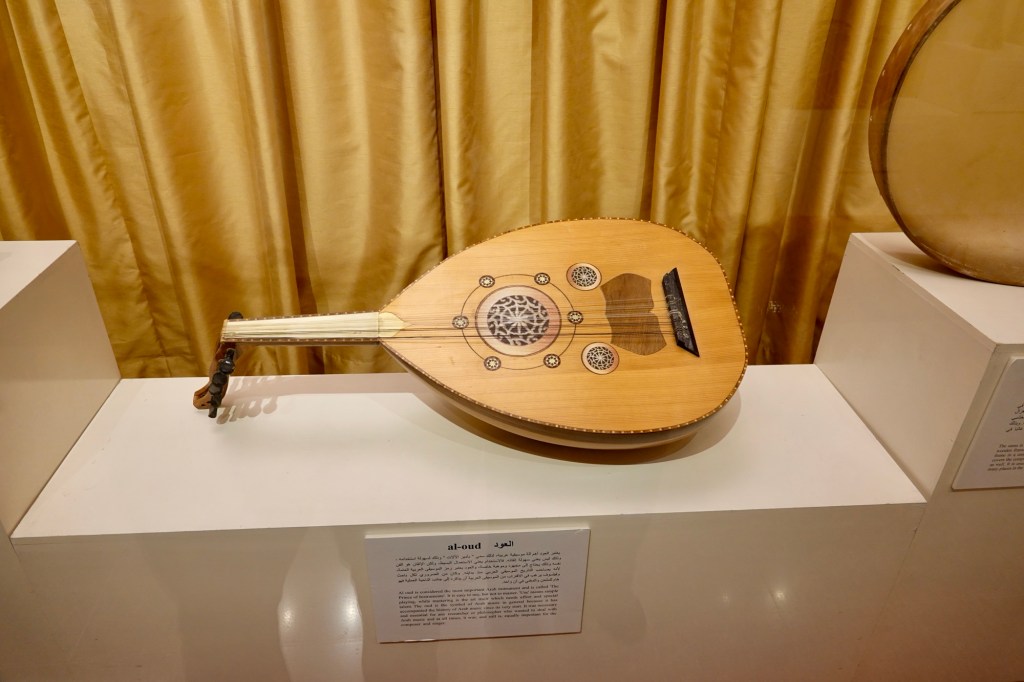
A good day out and Val and I ventured out for a rather indifferent Indian meal in the evening, but all basically OK.
Right, it is now the evening before we fly back tomorrow, so I will do a quick proofread, publish this post, finish the packing and maybe finish the blog on our trip – but the bets are more likely that I will still be writing it next week!
 Mr Benn's Blog