25th January, 2024, again!
Well, I hope you all enjoyed the butterfly extravaganza. As promised, here is the other part of 25th January with my walk round KL.
As if I was not hot enough from the steamy heat of the Butterfly Garden, I then decided to do a walking tour of some of my old haunts from my KL days from 1978 to 1982. To be honest, almost everything has changed, but they have preserved some of the major buildings, so much still seemed familiar. Sadly many of the attractive old shopfronts (such as you can still see preserved and restored in Penang, Phuket and Melaka) are crumbling badly. I am not sure if there is a preservation order on them , but I hope so, as I feel that many tourists would be interested and they are attractive reminders of the heritage of the country. That said, it is debatable, I suppose, as to whether the modern Malaysian wants to be reminded of their heritage. I have heard that there has been a bit of rewriting of the history of the country, but that is not a subject to go into here.
I set off, happily, downhill, following the blue dot on Google maps on my phone (or is it following me?) on a route that took me past the National Mosque.
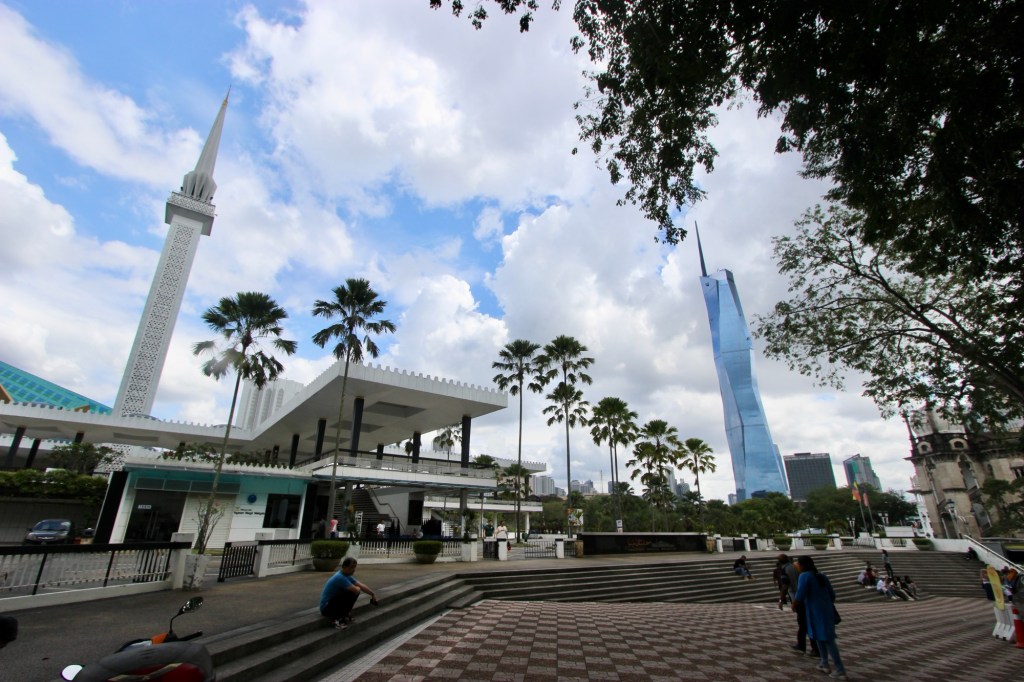
The National Mosque was a project decided on independence in 1957 and was built on the site of the Venning Road Brethren Gospel Hall (who were offered an alternative site) and was eventually opened in 1965. In my day the roof was pink, but it was refurbished in 1987 and now has very attractive blue and green tiles. It can house 15,000 people. Not far away is the Railway Station.
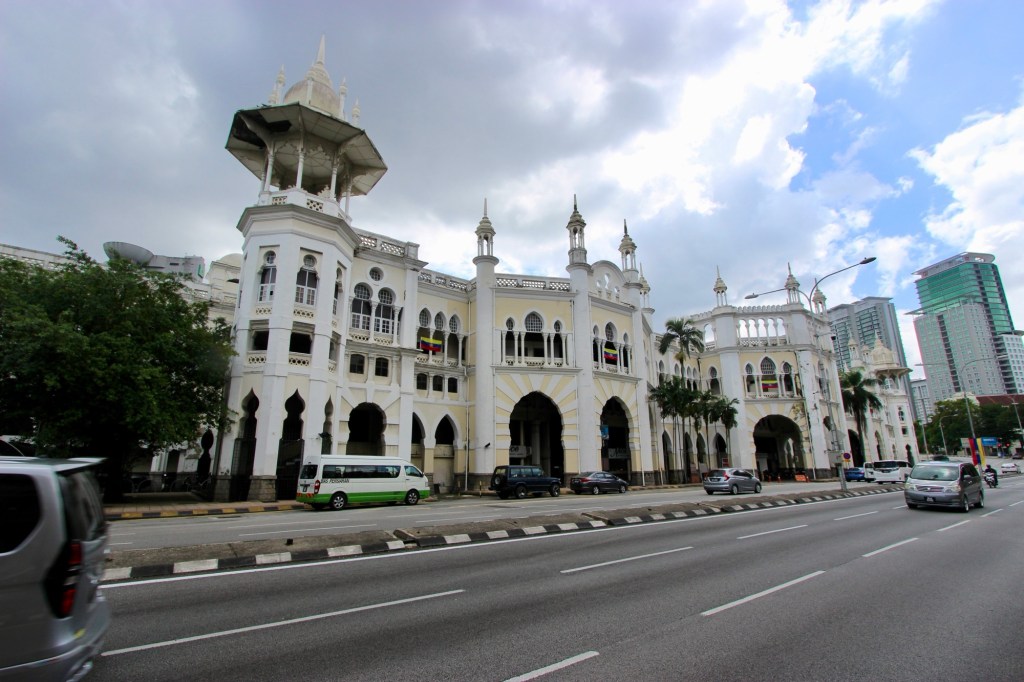

Just to the left of the above is the wonderful Majestic Hotel (or Hotel Majestic as it used to be). Now, this HAS been preserved and indeed extended and it still retains, at least from the outside, a lot of its old charm. It was built in 1932 and was THE place to stay, party and get married in in KL until it closed in 1983 and became the national art gallery. It has now been restored and looks wonderful. In my day it was a place to go for a bit of rather shabby old world charm and a pretty cheap western meal. I say western, but it was really British fare of the most traditional kind. A menu from 1968 reads Minestrone followed by Boiled Fish with a Scotch Egg Sauce, Pork Fritters and Tomatoes, Chilly (sic) Sauce, Chipped Potatoes and Mixed Salad or Assorted Cold Meat & Mixed Salad, finishing up with Spotted Dick, Cheese, Fruit, Coffee. What was a bit worrying was that is pretty much what was on offer in 1980, served by waiters who had probably been there since 1932! It was an experience!

On I went, heading for Merdeka (Independence) Square or the Padang (field) as it was known in my day. Here you have the Royal Selangor Club, opposite the government offices, with the Post Office and St Mary’s Church on the other two sides. I played rugby (VERY hard work), football, cricket and even lawn tennis on the Padang. The buildings all remain, but the grass is now used for official celebrations before the most enormous flagpole.
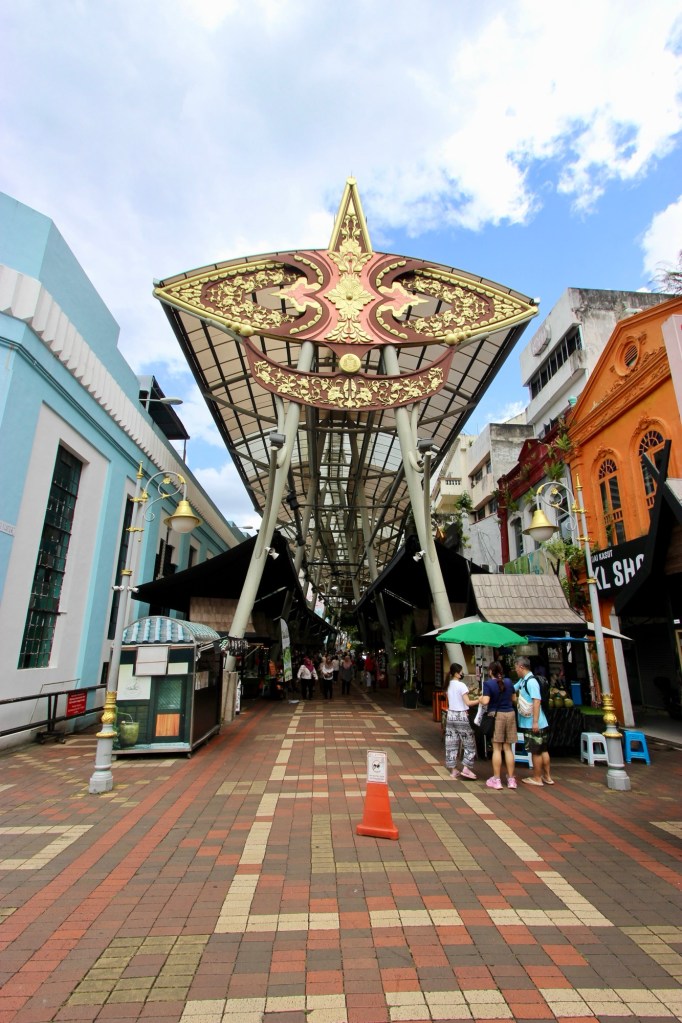
I walked past the Central market and on to Chinatown or Petaling Street as it was known.

I walked on along Jalan Ampang with the purpose of dropping in on my old office, No 70. Astonishingly it is still there. The last time I was here it was a car showroom, but now it houses the Malaysian Institute of Art.
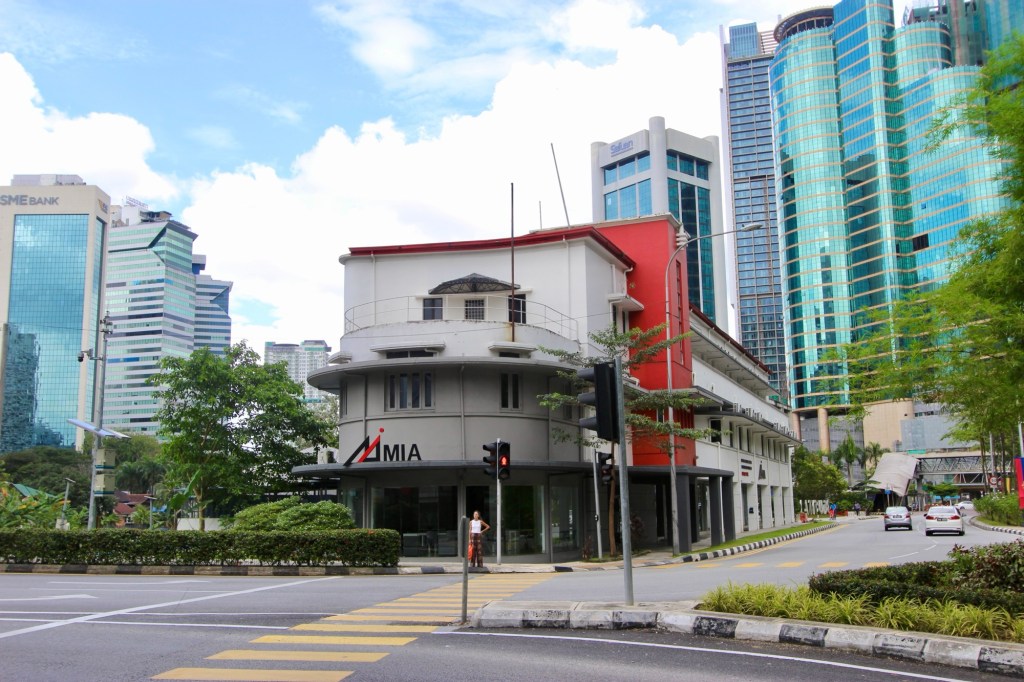
I would have loved to have had a look around inside, but all I could manage was to sweet talk the security guard to let me into the hall – and no photos!!
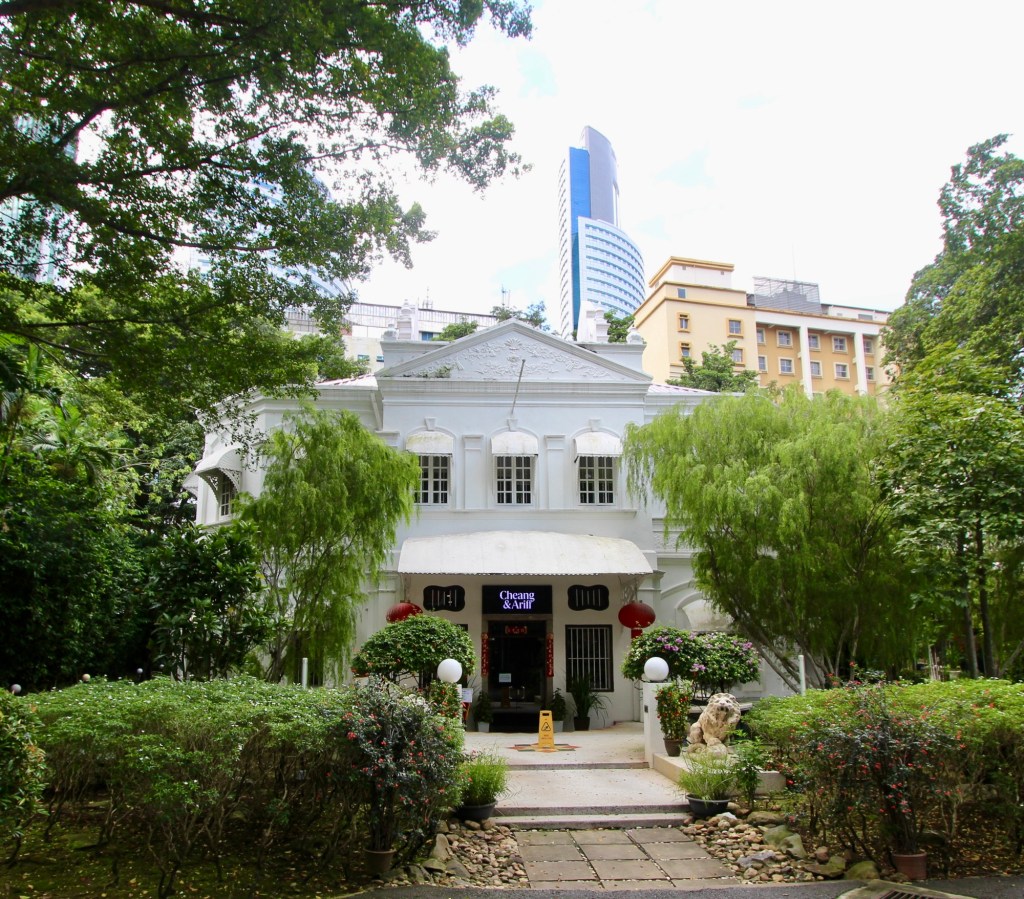
One reason this post is taking so long to be published is the number of rabbit holes I have been tempted to go down, finding out some of the background history. My next destination was no exception. When I was here, I discovered a wonderful, but much run-down mansion that served as an antiques emporium. I have been racking my brain (and those of several other people) for some time trying to identify it, but without success – until recently. I knew it was behind or near the old Odeon Cinema (still standing and undergoing a facelift), but it was only by dint of Google Maps that I located it. It was in fact originally the mansion of Loke Yew. He was born in China in the 1850s, moved to Malaya and made a fortune in tin mining. He bought the property in the 1890s and lived there until his death in 1917. It was said to be the first building with electricity in Malaya. The family moved out in the 1930s and it went through a number of different owners including the Japanese army in WW2 and my antiques business in 1980, until it was abandoned in the 1990s. Amazingly it has been bought and lovingly restored by a firm of lawyers (nice to have something good to say about lawyers!), who have their offices there now.
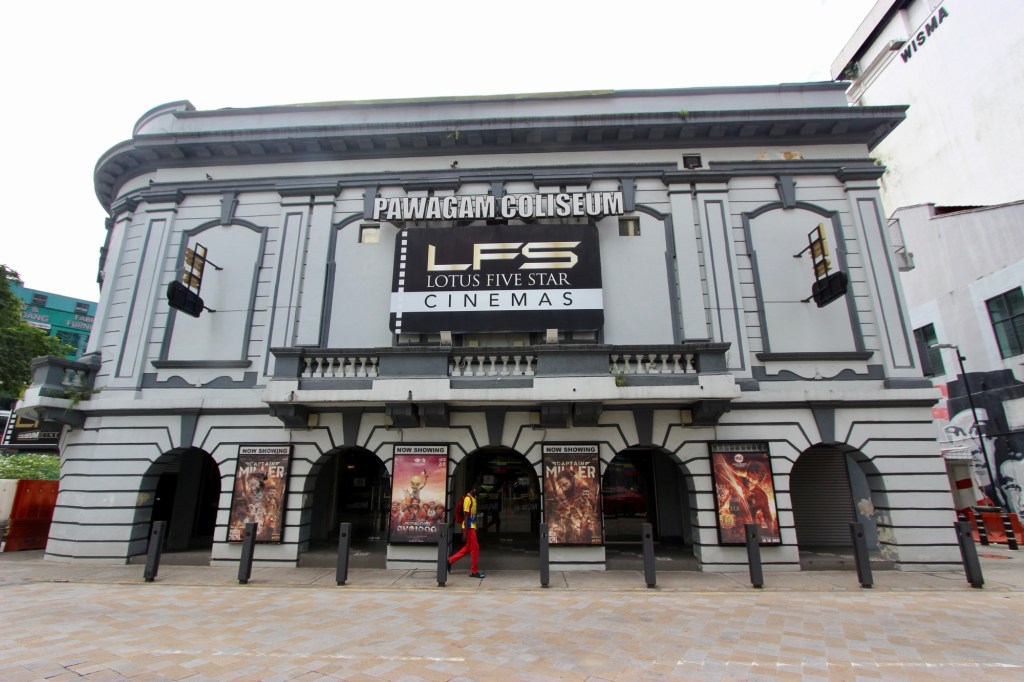
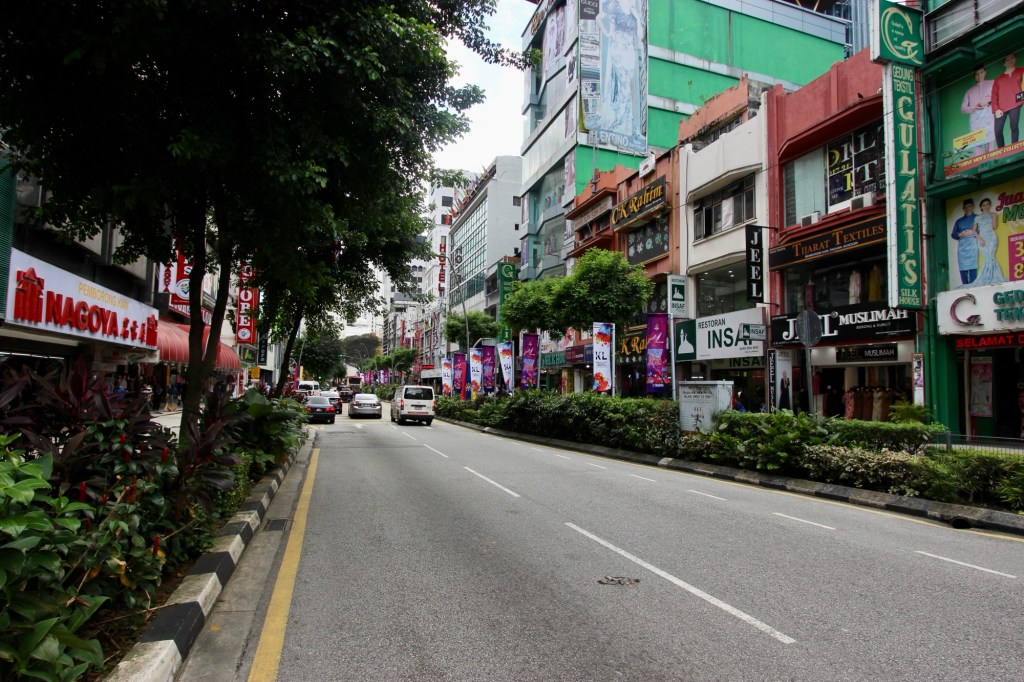
On I went, this time down Jalan Tuanku Abdul Rahman (Malaysia’s first Prime Minister – the Father of the Nation), also known as the Batu Road. This is now much taken up with clothes shops, especially for Malays. I was looking forward to dropping in for a refreshing beer at another landmark – the Coliseum. Well, well well. The Coliseum Cinema is still there, but where the restaurant and bar used to be there is now a gap in the buildings. I cannot believe it! It was an absolute institution. Built in 1921, it is now relocated to a shopping mall. Not the same thing!
I was decidedly weary by this point so made my way to the MRT or metro and headed back to the hotel. I declined the offer of a seat as I was a bit worried I might leave a small puddle on my departure! A wonderful walk with still plenty of surprises on offer.
I think we went back to the Indian restaurant near the hotel – could be wrong.
OK, I am typing this on 30th Jan from Thailand – apologies for the delay, having too much fun.
More soon(ish).
 Mr Benn's Blog