23rd January – still in the bar in Manzanillo, Mexico!
16th January, 2020 – At Sea, Again
We settled back into the routine of table tennis, reading and relaxing, though we did attend a lecture on the Panama Canal by an American Captain and retired pilot of the canal, which was excellent as a precursor of our transit tomorrow. He was very informative and quite funny too and had that enthusiasm that was very infectious. We also had a change for dinner with our table companions and us meeting for cocktails in the Crow’s Nest (a bar, I hasten to add) followed by an Italian dinner on deck. Lots of laughs (not too surprising after the cocktails) with a bit of a singsong in the pub afterwards.
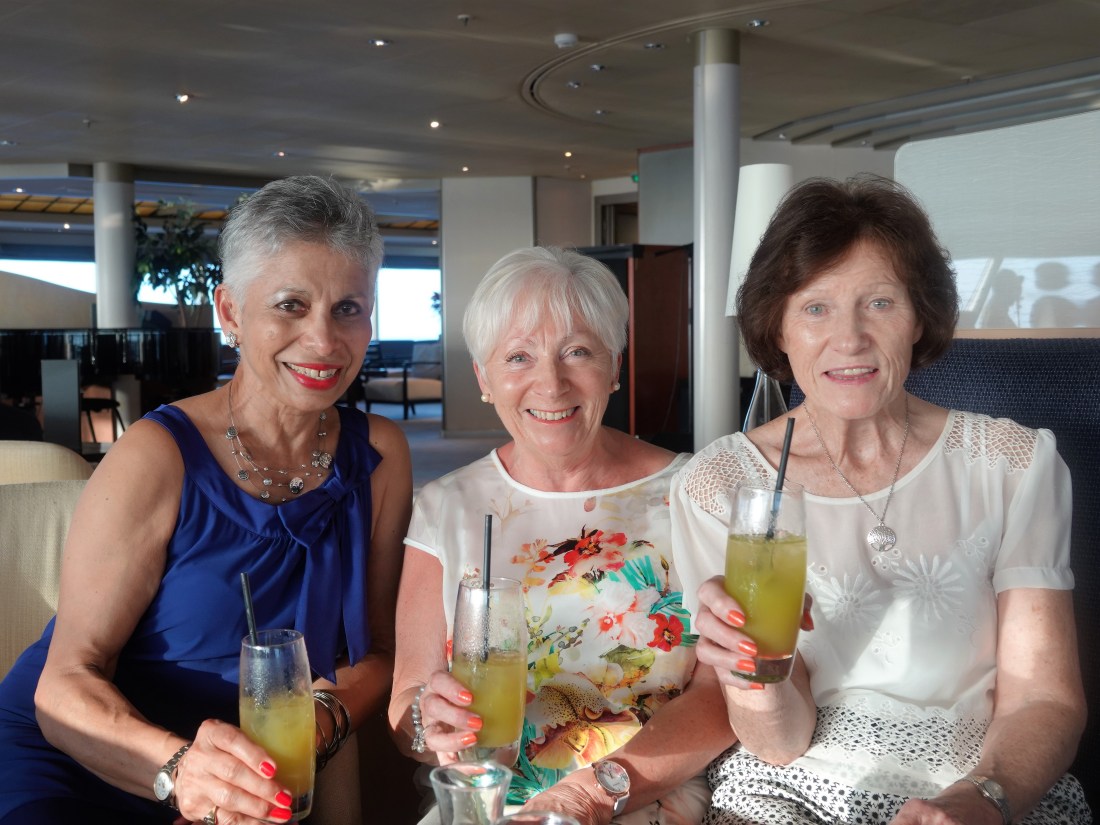
Nice photos of Val and our Geordie friends (and OK of yours truly!)…

A Man, A Plan, A Canal, Panama!
17th January, 2020
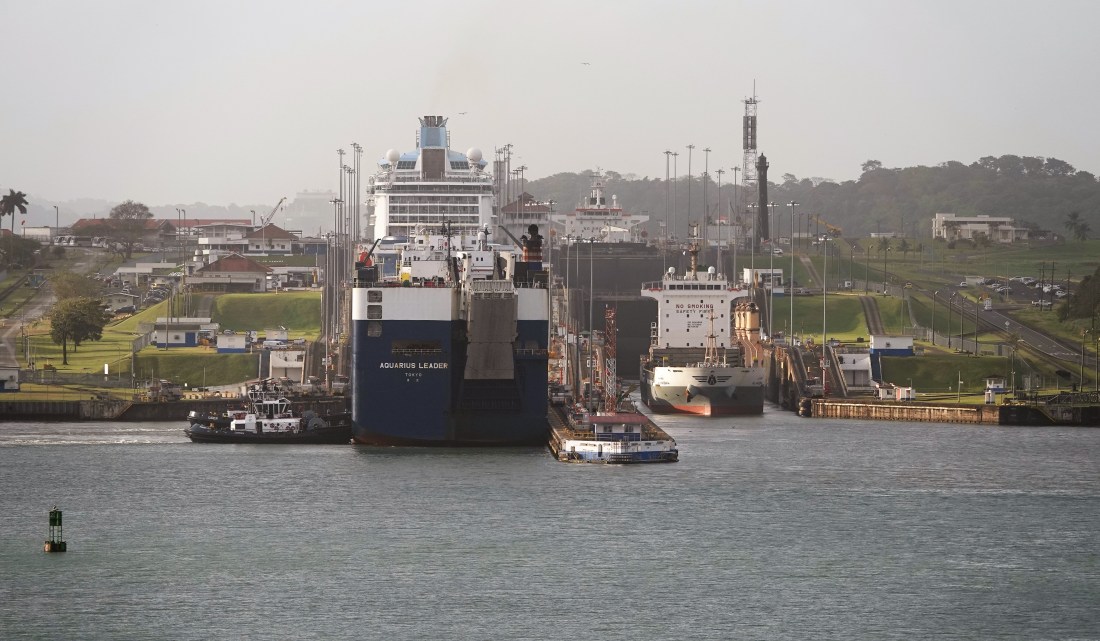
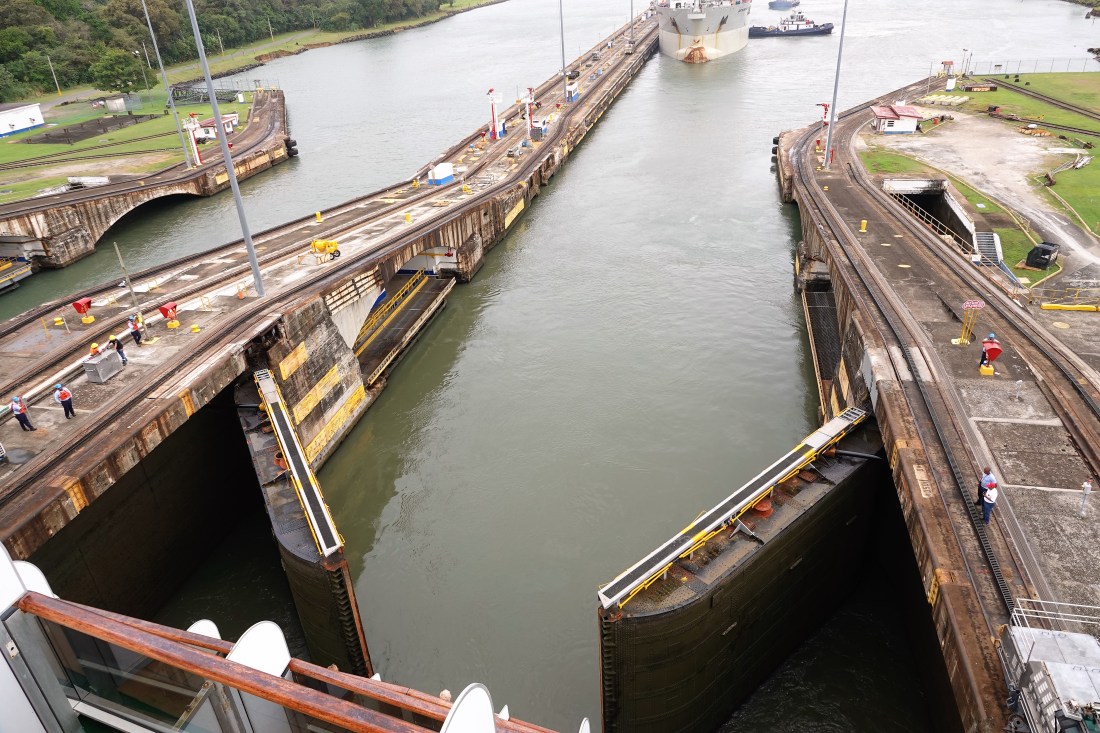
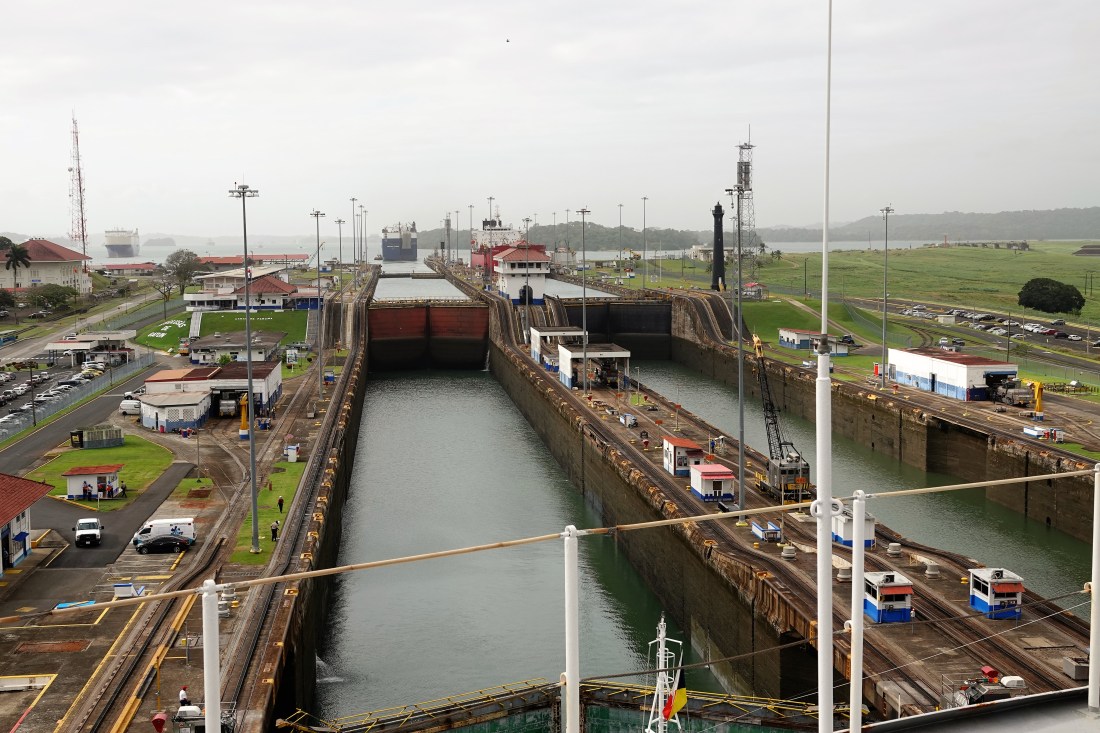
Well, finally we have arrived at one of the highlights of the voyage, the Panama Canal. First up was an early start, before dawn as we approached the entrance to the canal. OK, a bit of background first for the uninitiated…
The canal was originally conceived by the French, specifically Ferdinand de Lesseps who headed a committee in 1876 having just completed the Suez Canal. Unfortunately it proved more difficult than even he imagined and had to be completed by the Americans in August, 1914, $23 million under budget. It operates 24 hours a day, 365 days a year, employs about 9,500 men and women who see about 14,000 vessels a year through the canal. Its total length is 48 miles and takes about 9 hours to transit and if our cruise ship decided not to transit through the canal and travel around Cape Horn instead, that would be 12,000 miles more and take about 23 days. However, the cost of using the canal to the ship will be in the region of £250,000!! This contrasts with the cheapest transit made, by Richard Halliburton who swam the canal over 10 days in 1928 and paid 36 US cents for the privilege.
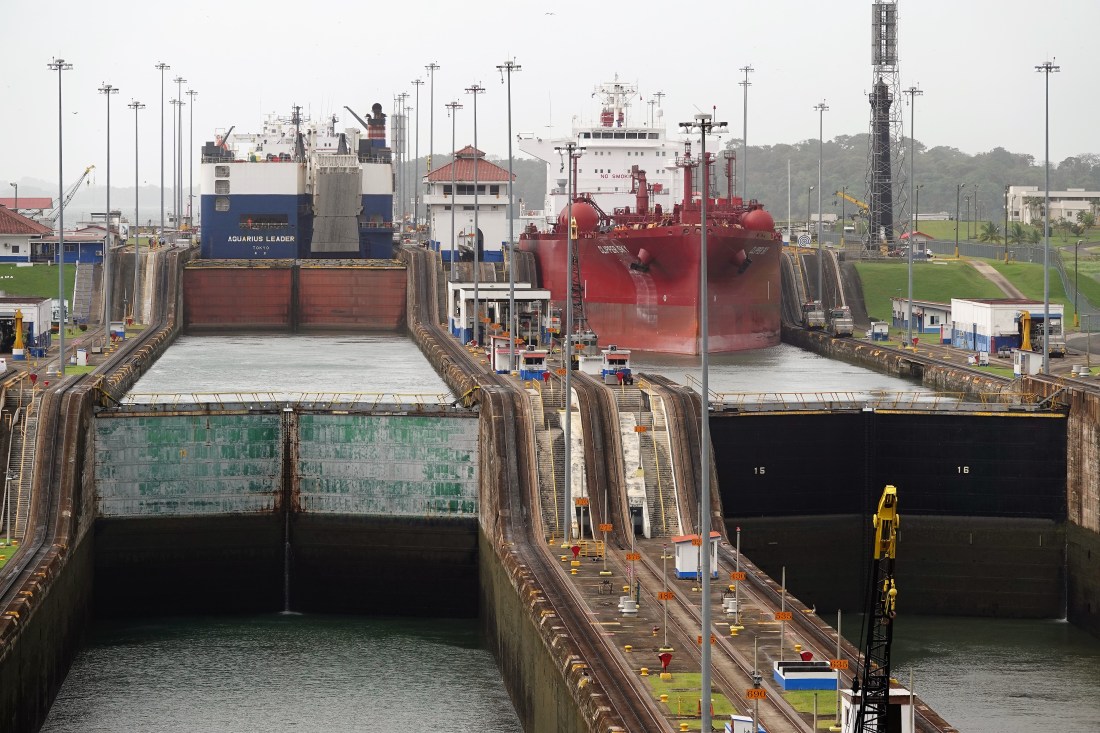
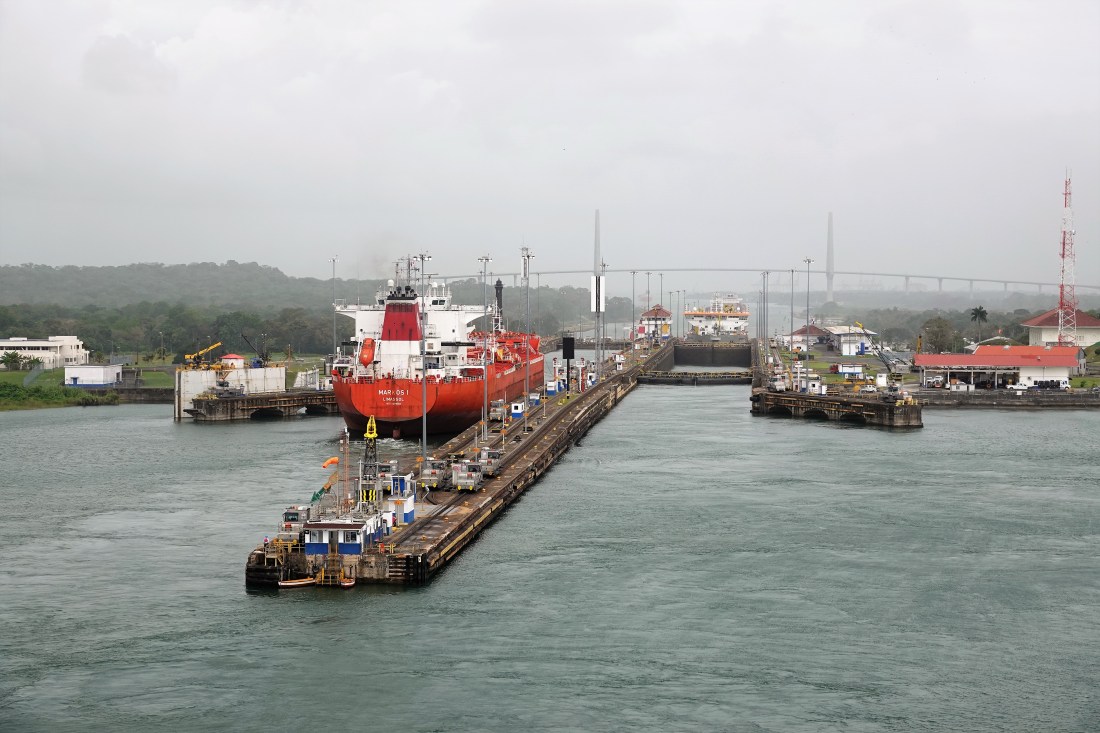
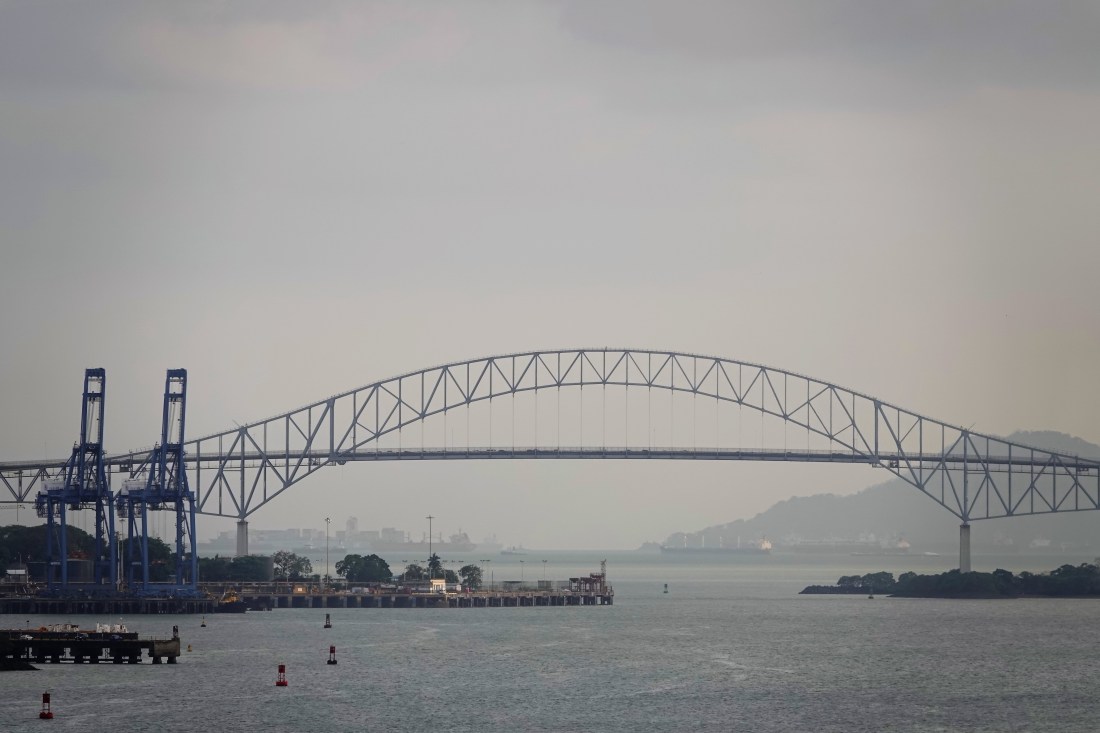
There are 3 locks on the Atlantic side and 3 on the Pacific side with the man-made Gatun Lake in the middle, 85 feet above sea level, created between 1907 and 1913 by building the Gatun Dam across the Chagres River. It is 23.5 miles long and covers an area of 164 square miles. There are 3 bridges over the canal, possibly most famous of all being the Bridge of the Americas, though that has been surpassed by the Centennial Bridge completed in 2004 spanning 1,052 metres.
The tide on the Atlantic side is, apparently, about 18 inches, whereas it is about 16 feet on the Pacific side. Interestingly, the canal runs from North North West on the Atlantic side to South South East on the Pacific side due to the bend in the isthmus….
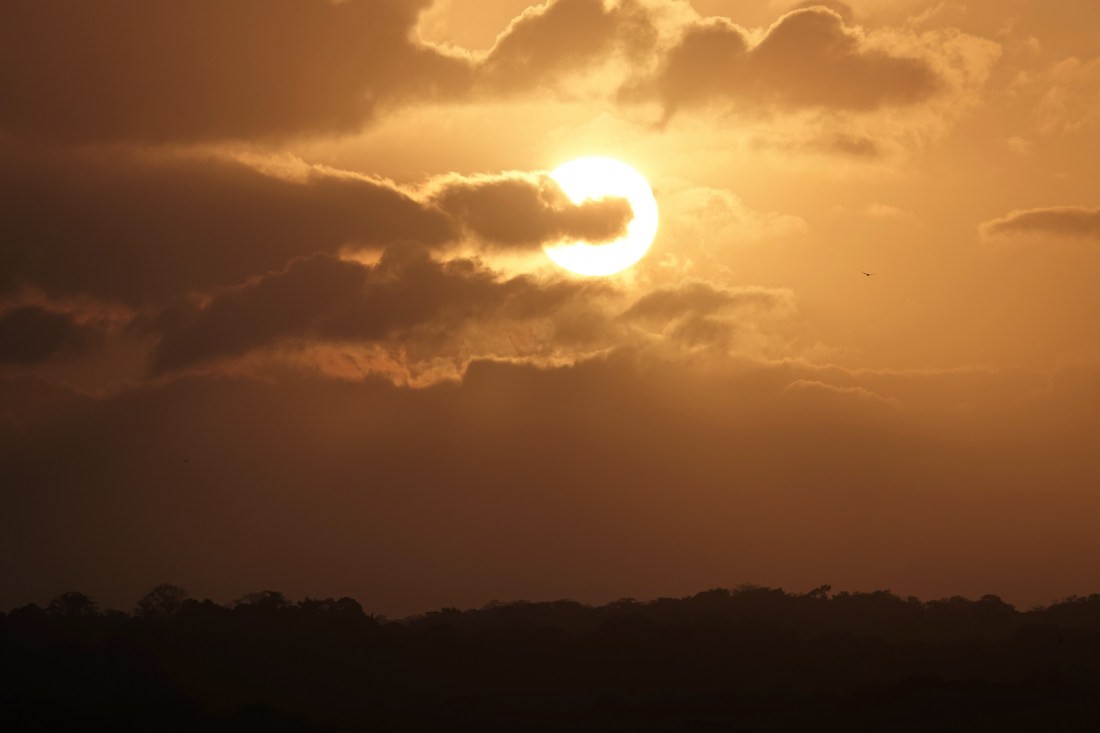
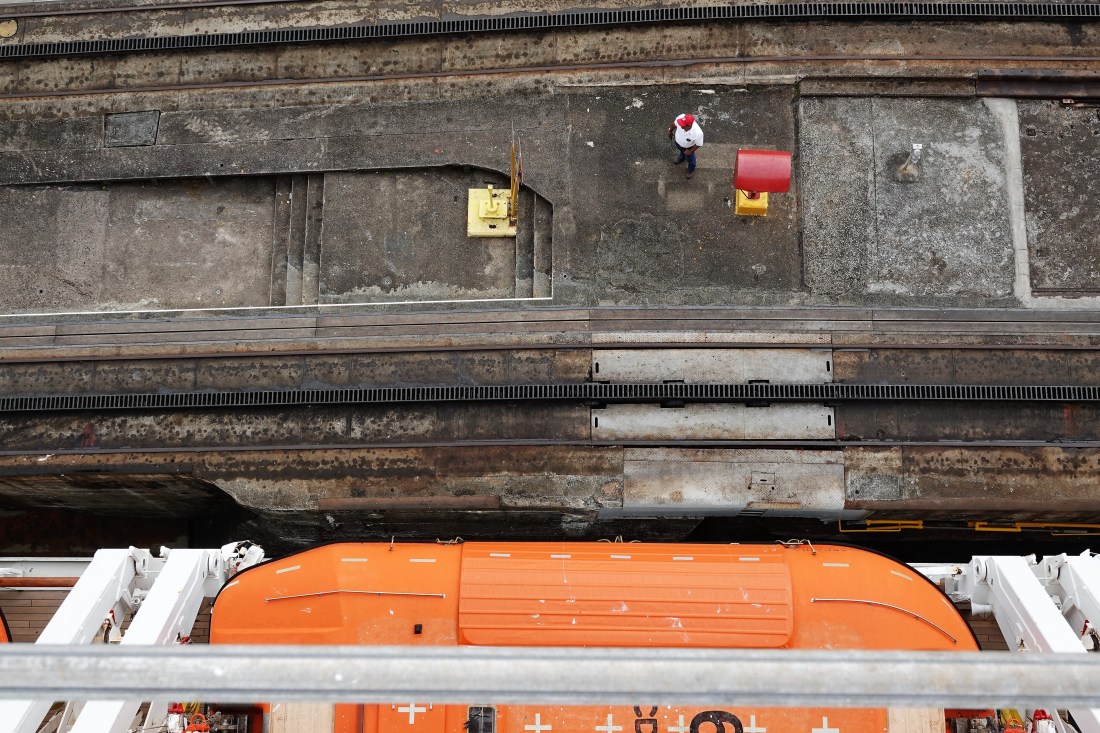
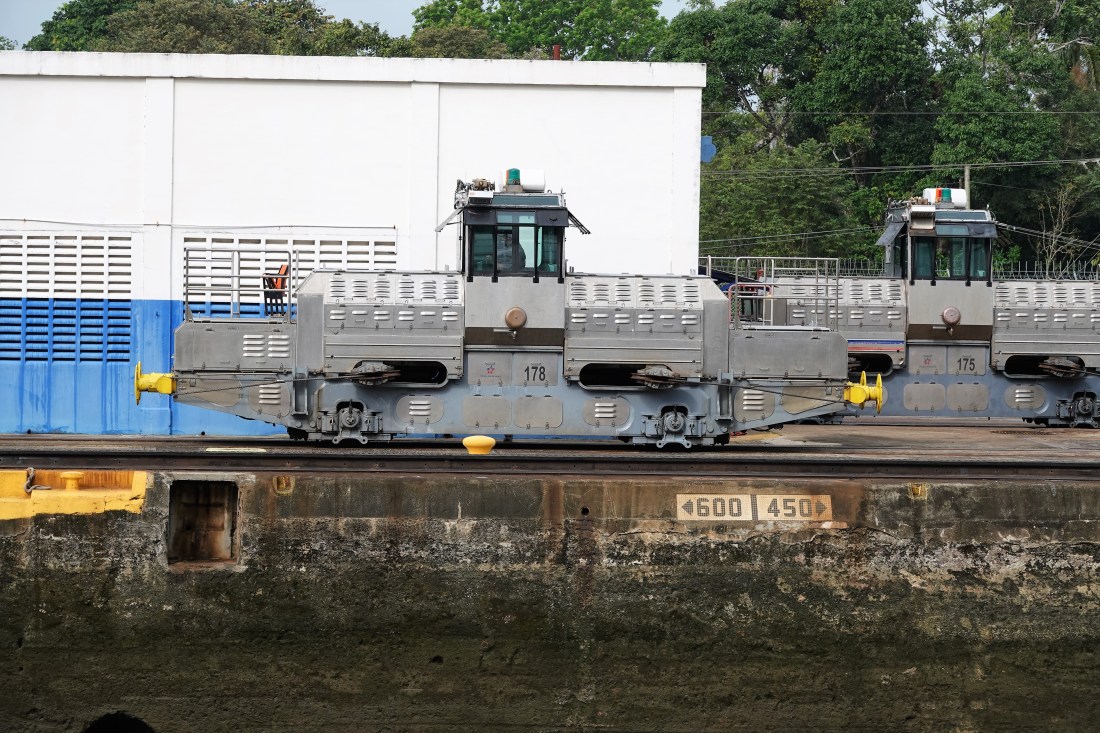
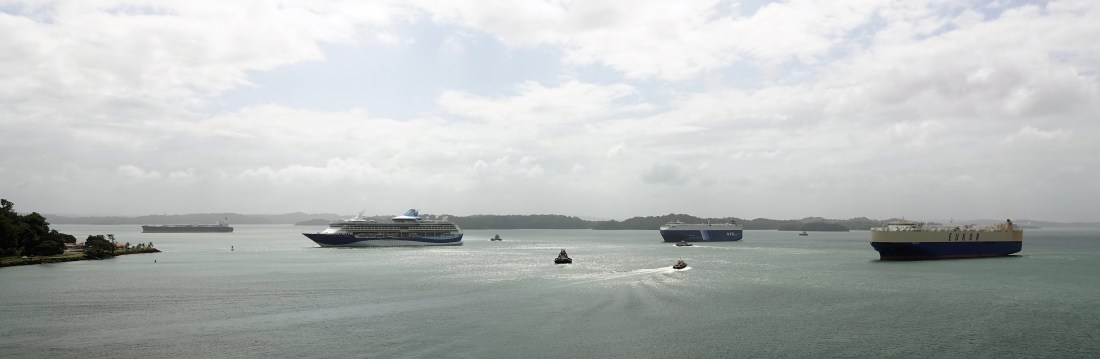
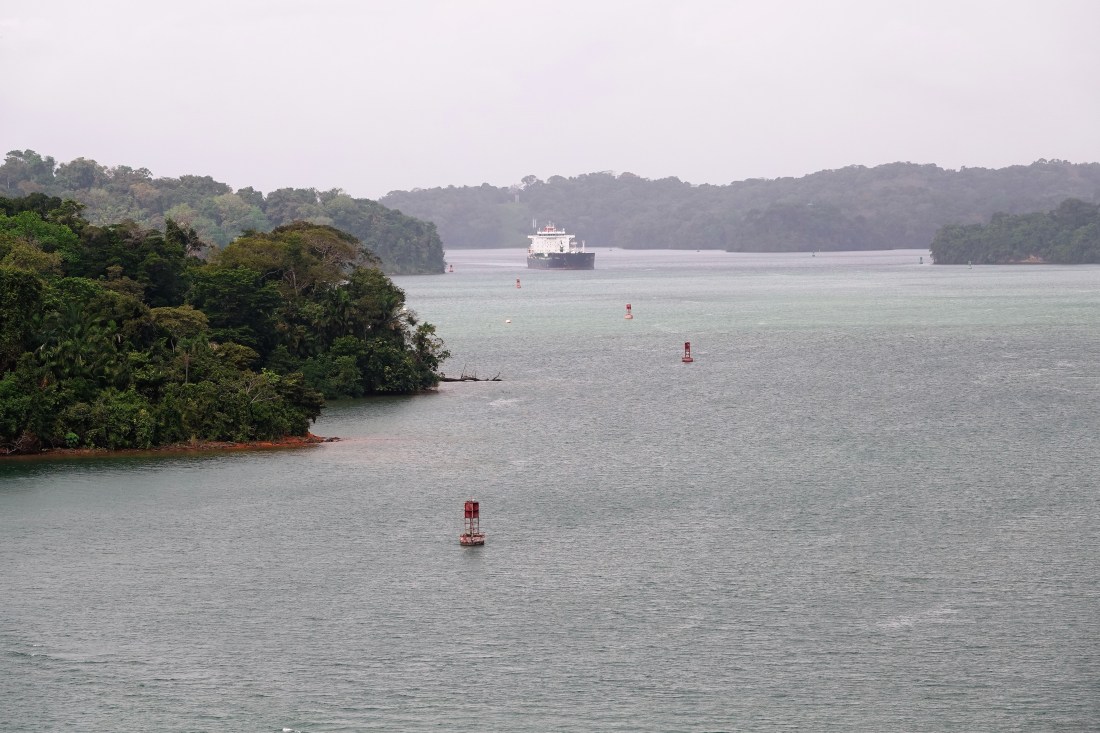
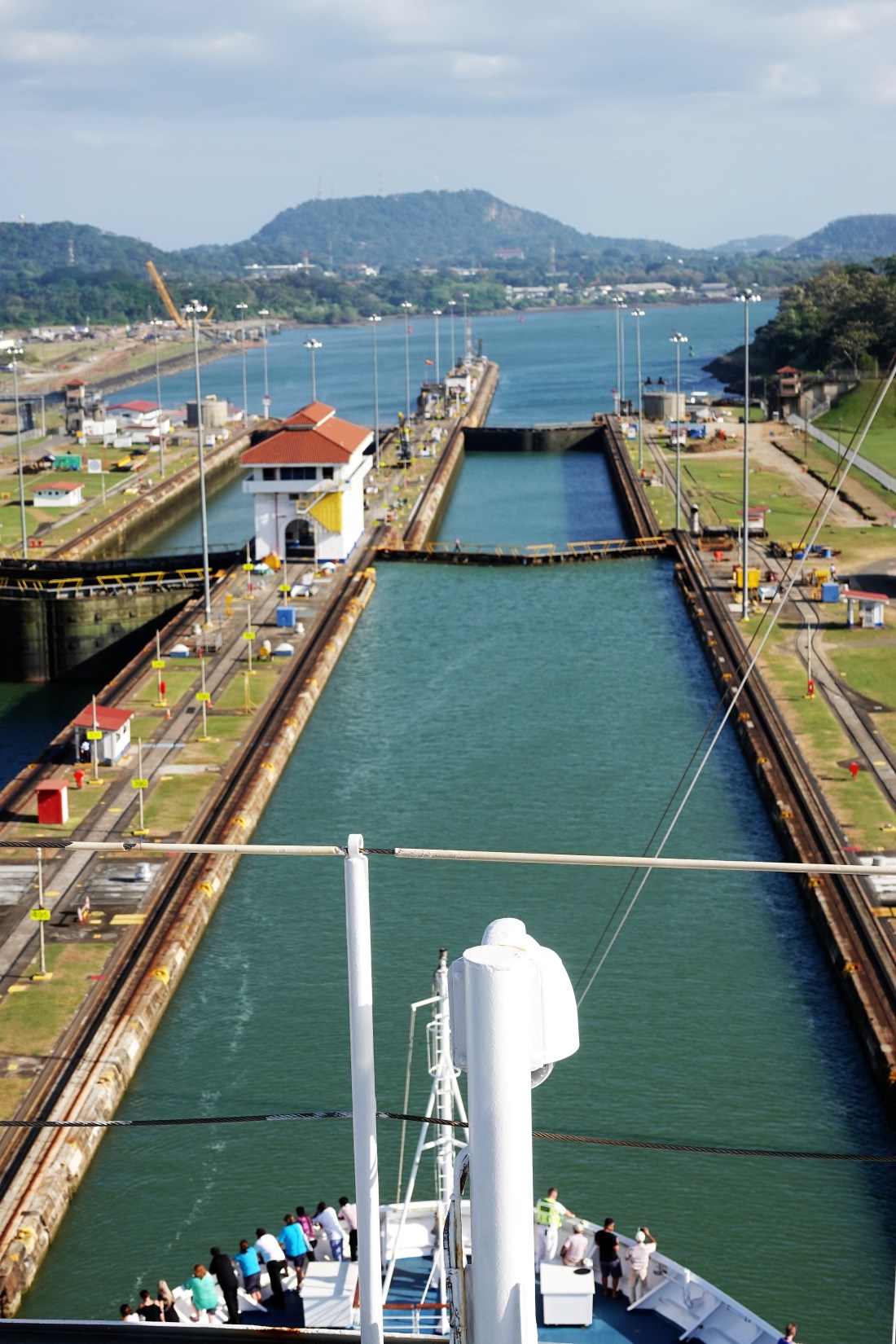
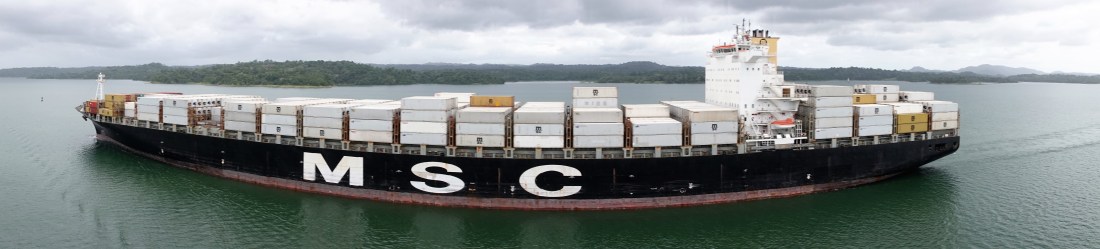
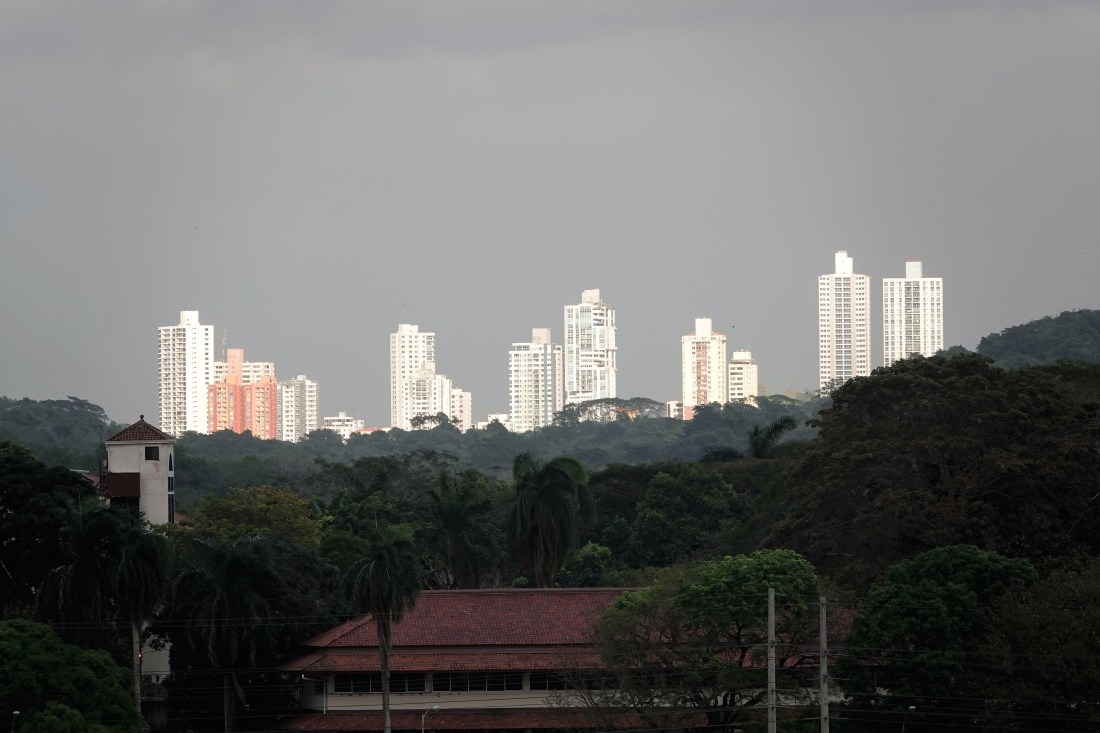
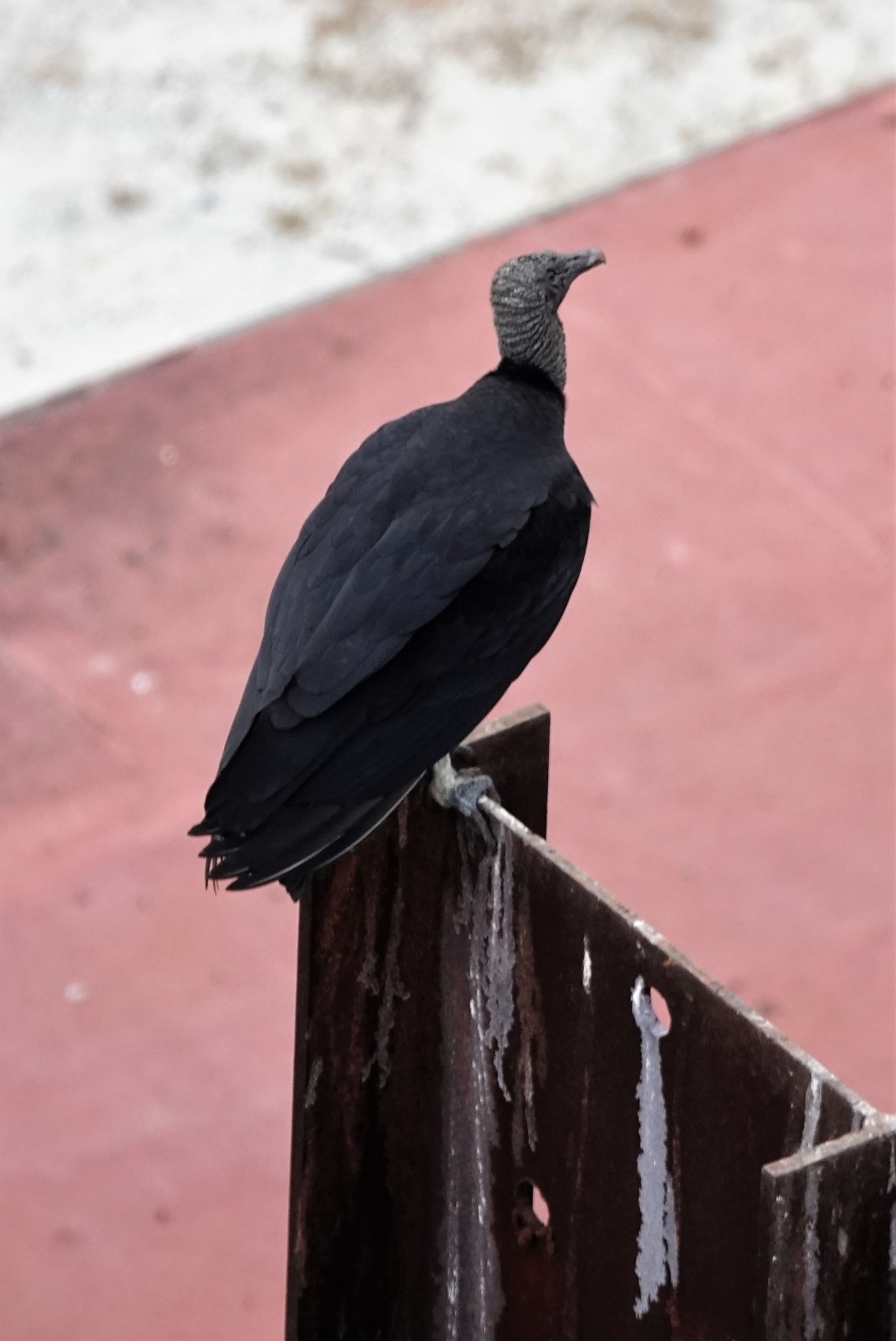
OK, that is probably enough details (but there will be a quiz at the end of the tour!). Some photos and I promise you I have been super-selective…..









 Mr Benn's Blog
Thanks for Panama Canal history – interesting.
LikeLike
Loved the photos of Curaçao and all the facts of the Panama Canal. Thank you for your blogs, especially as it can be difficult to send them. I went through the Panama Canal in early February 1970 – 50 years ago! Can’t believe it! Much smaller ship, a cargo ship carrying Rolls Royce cars and Scottish whisky!
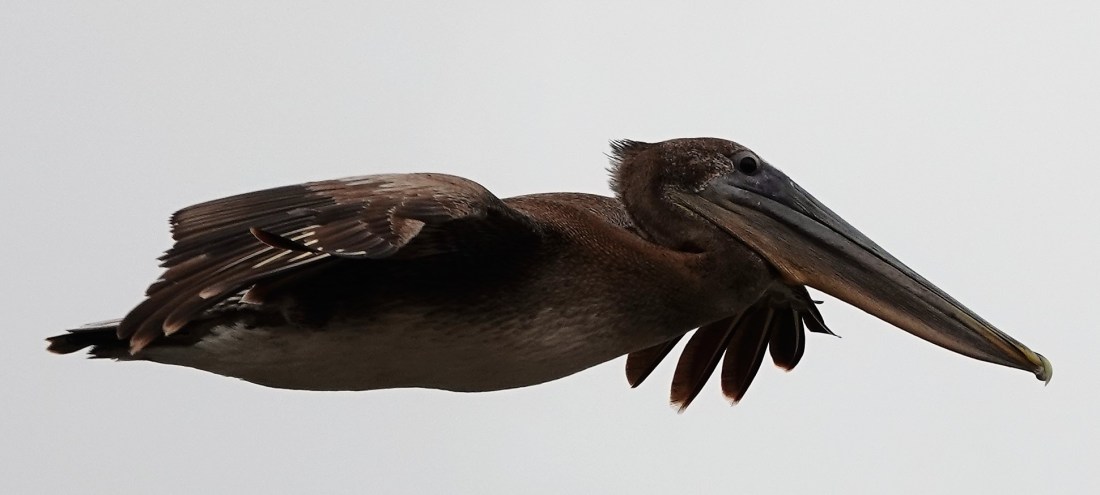
I don’t think the bird you identify as a puffin is a puffin! Puffins have hooked, multi coloured beaks. I think your bird may be a pelican, judging from its beak. I know that in that part of the world, and in Florida, there is a brown pelican. I am not brilliant on birds but I think I could be right.
I too am thoroughly enjoying A Spy and a Traitor. I can hardly put it down, except to read your blogs of course! A xx
LikeLike
Thanks Angie. More blog soon. Currently in a very noisy outside in Honolulu that is about to show the Super Bowl. Beer’s a bit pricey, but the wifi is good!
LikeLike