14th to 15th March, 2020
I WILL finish this blog!! OK, it is 31st March and we are still in lockdown here in sunny North Cheam. The house is pretty much Spring cleaned, the garden is going to be fantastic this year, we have found a jigsaw and the TV is running hot! So now I can carry on with the wonderful stay we had in Canberra, which oddly seems like months ago, but was only about a week and a half ago.
Well, after visiting the National Museum, it was the turn of the National Gallery, so, accompanied by Claire, Georgie and, of course, Robin, we set off and arrived at the gallery. Another impressive piece of modern architecture down near the lake in nice lawned grounds. It was first proposed in 1912 and opened in 1982 – these things take time, obviously! Rather too many politicians involved, I suspect. It is brutalist! That is not everyone’s cup of team but it does fit in fine with the rest of the public buildings of Canberra.
Lots to see inside and I have picked out some of those works that particularly caught my eye. Unfortunately, I cannot recall who the artists were, but I hope you enjoy them.
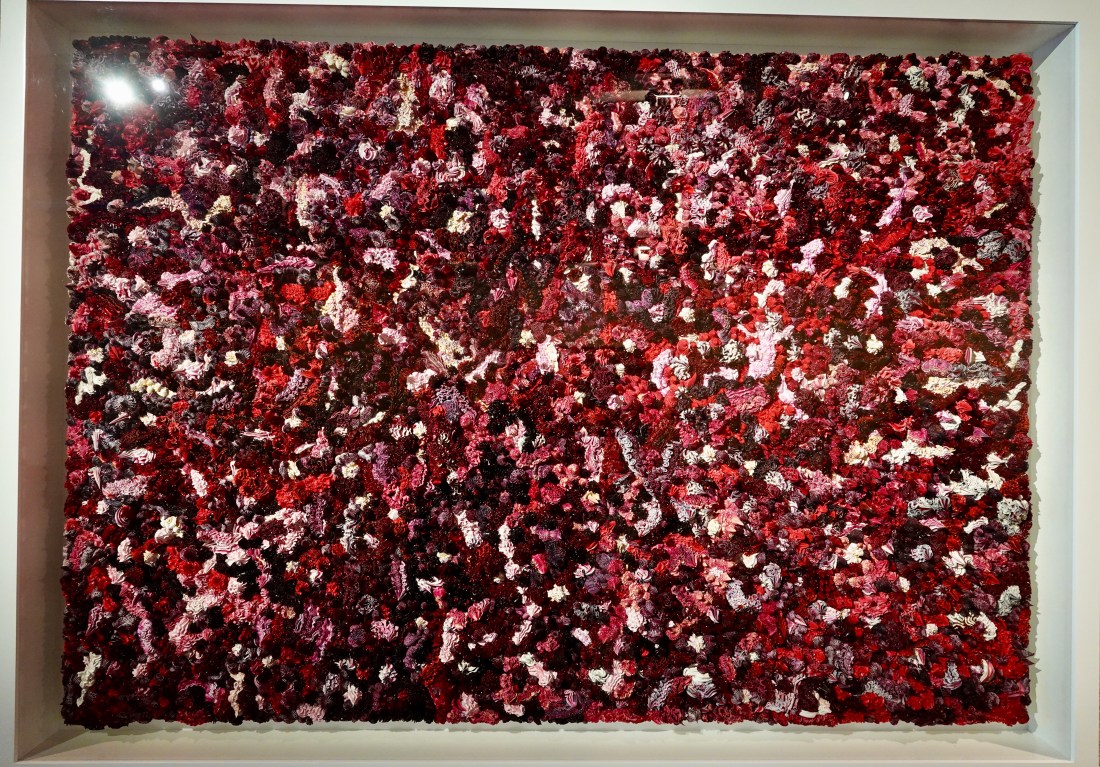
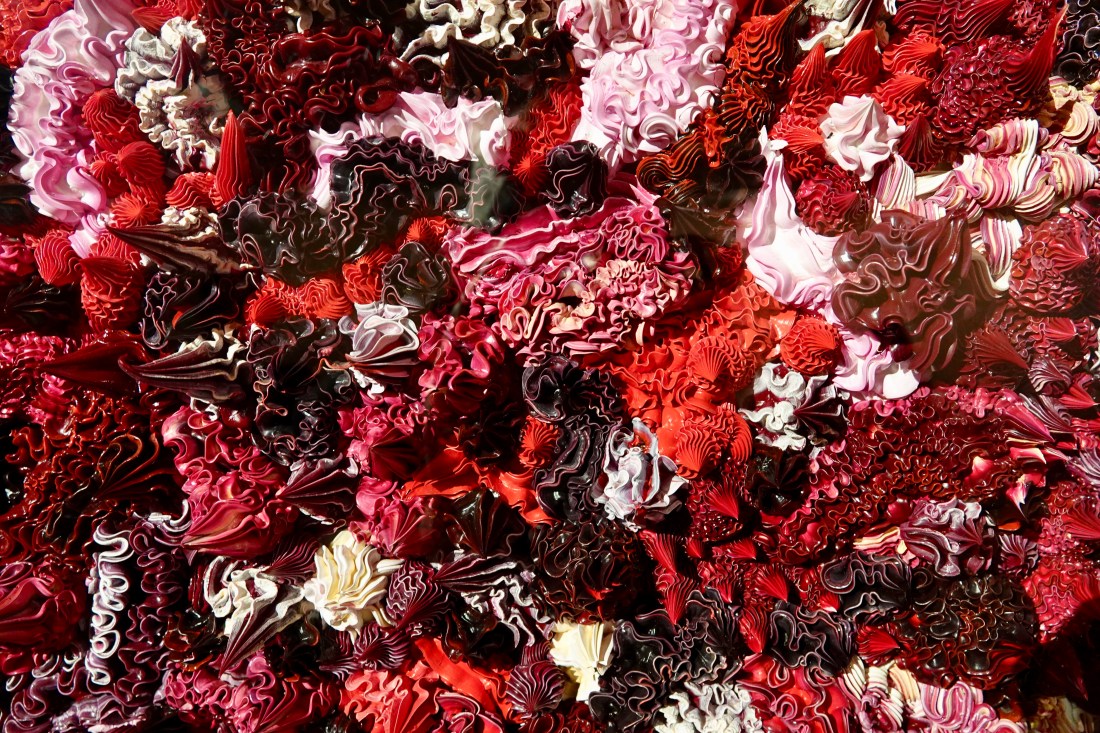
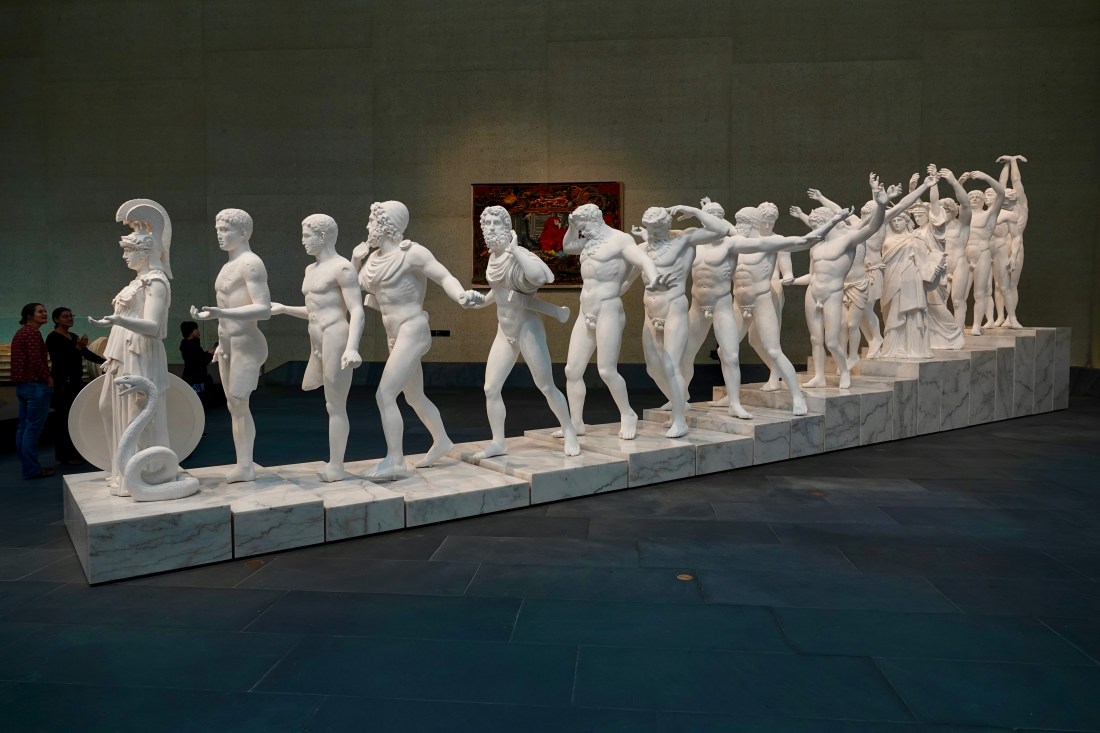
There was an exhibition by a young Chinese artist (born 1977 – is that still young?), Xu Zhen, which was particularly striking and amusing, using Classical Greek and Roman themes, which I hope you can see in the following:
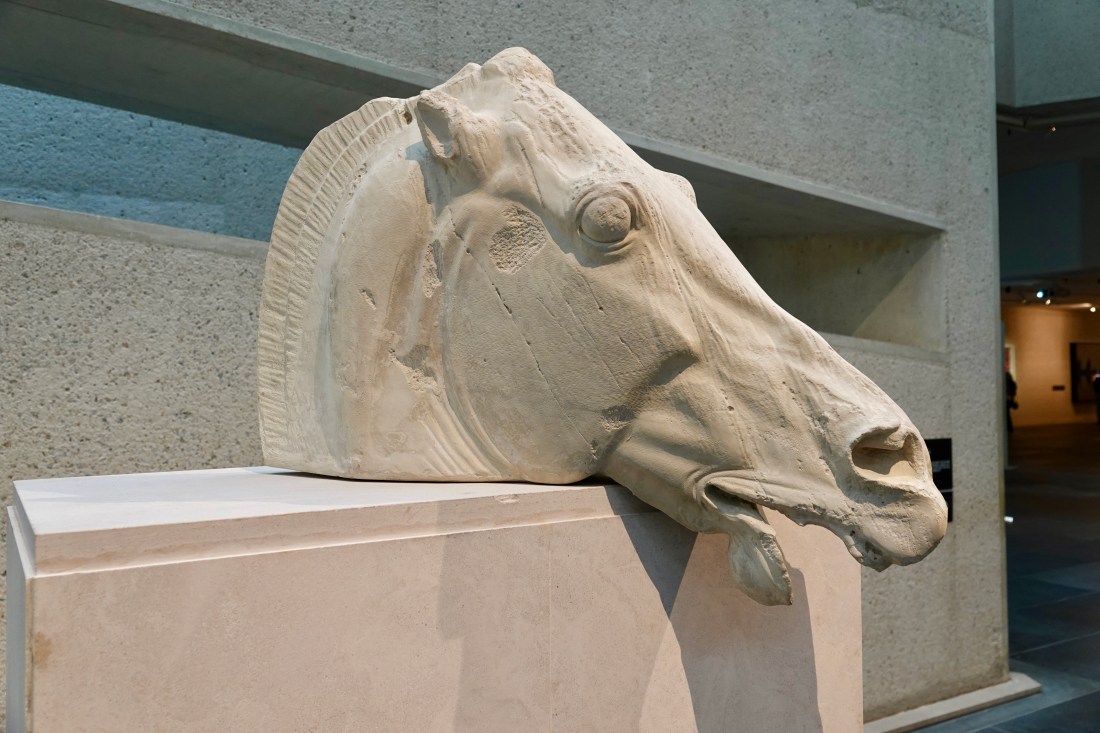
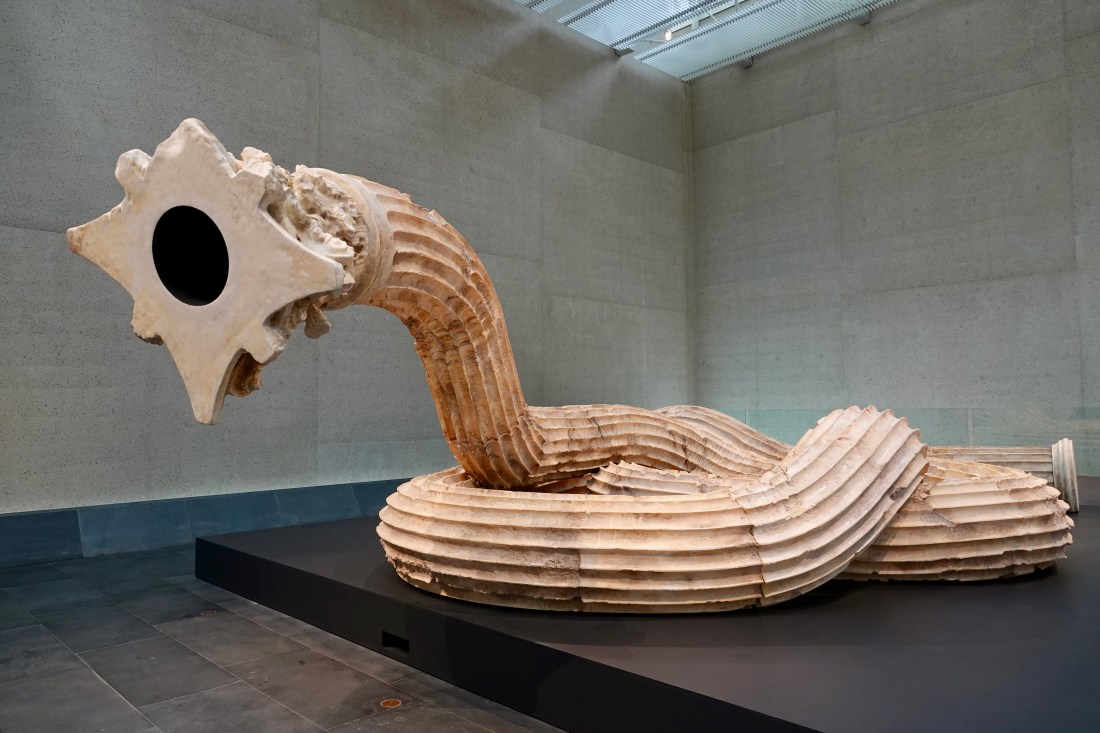
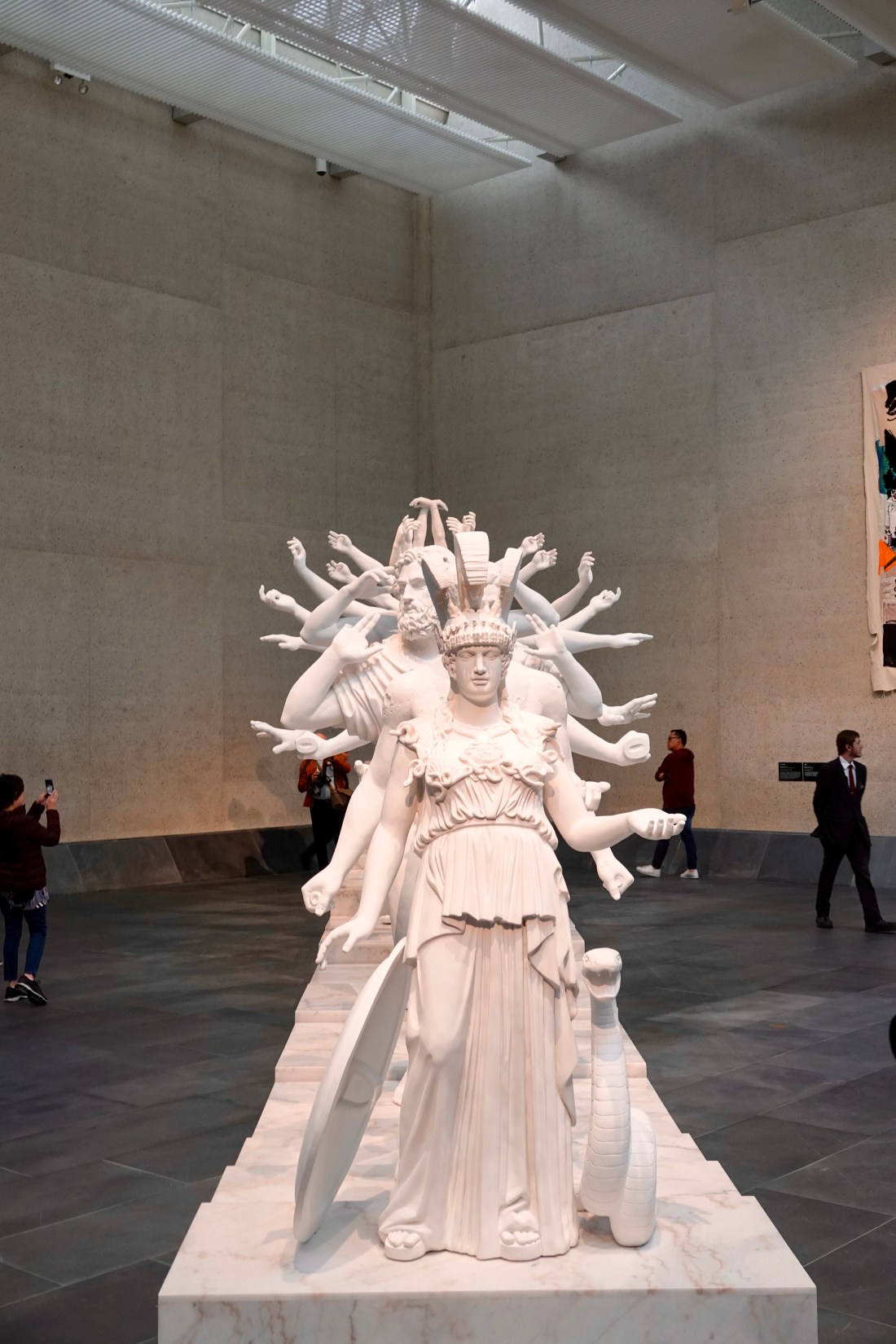
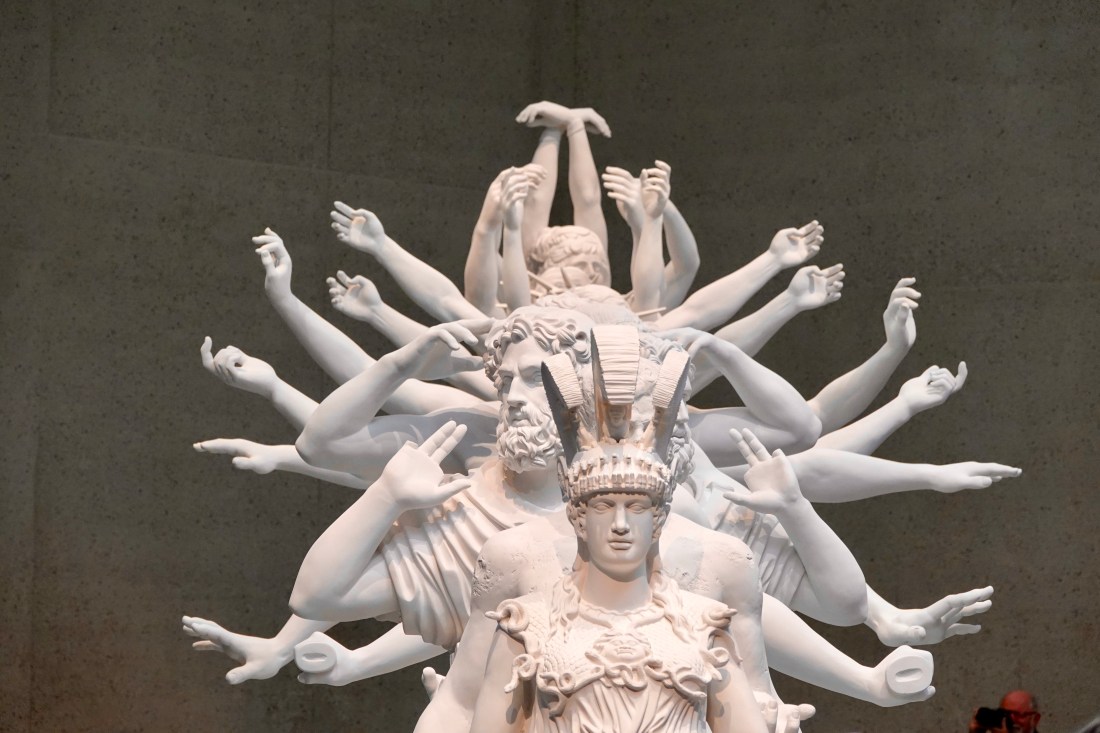
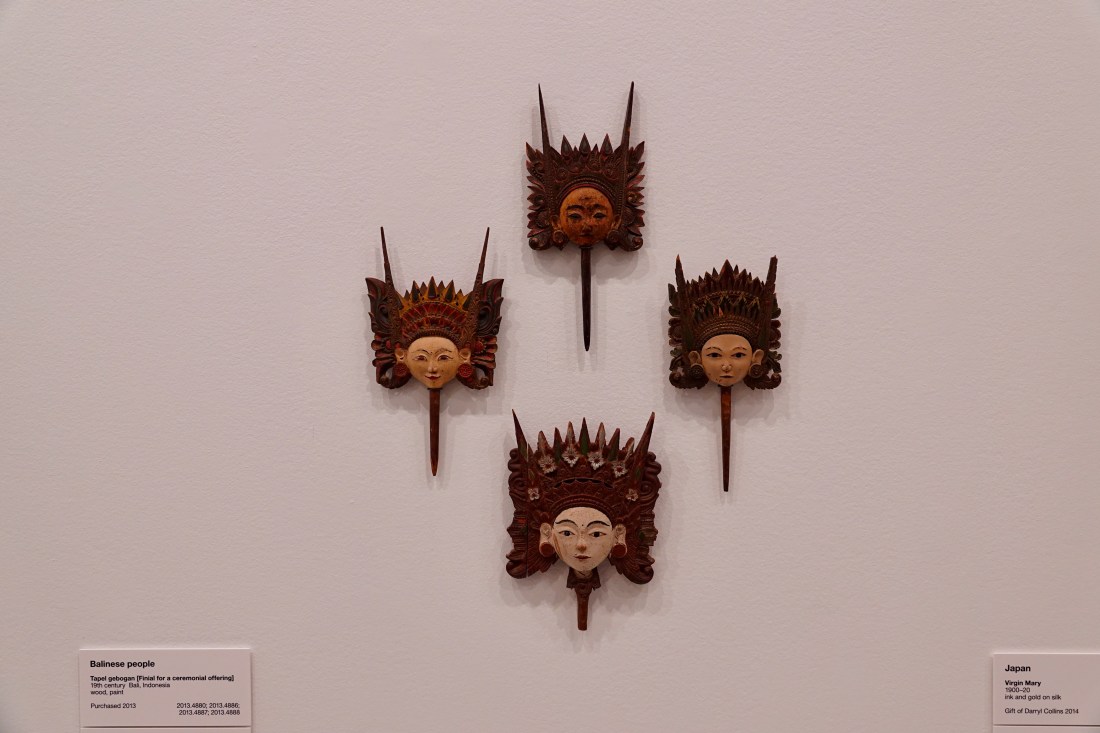
There was a gallery of Asian art too…
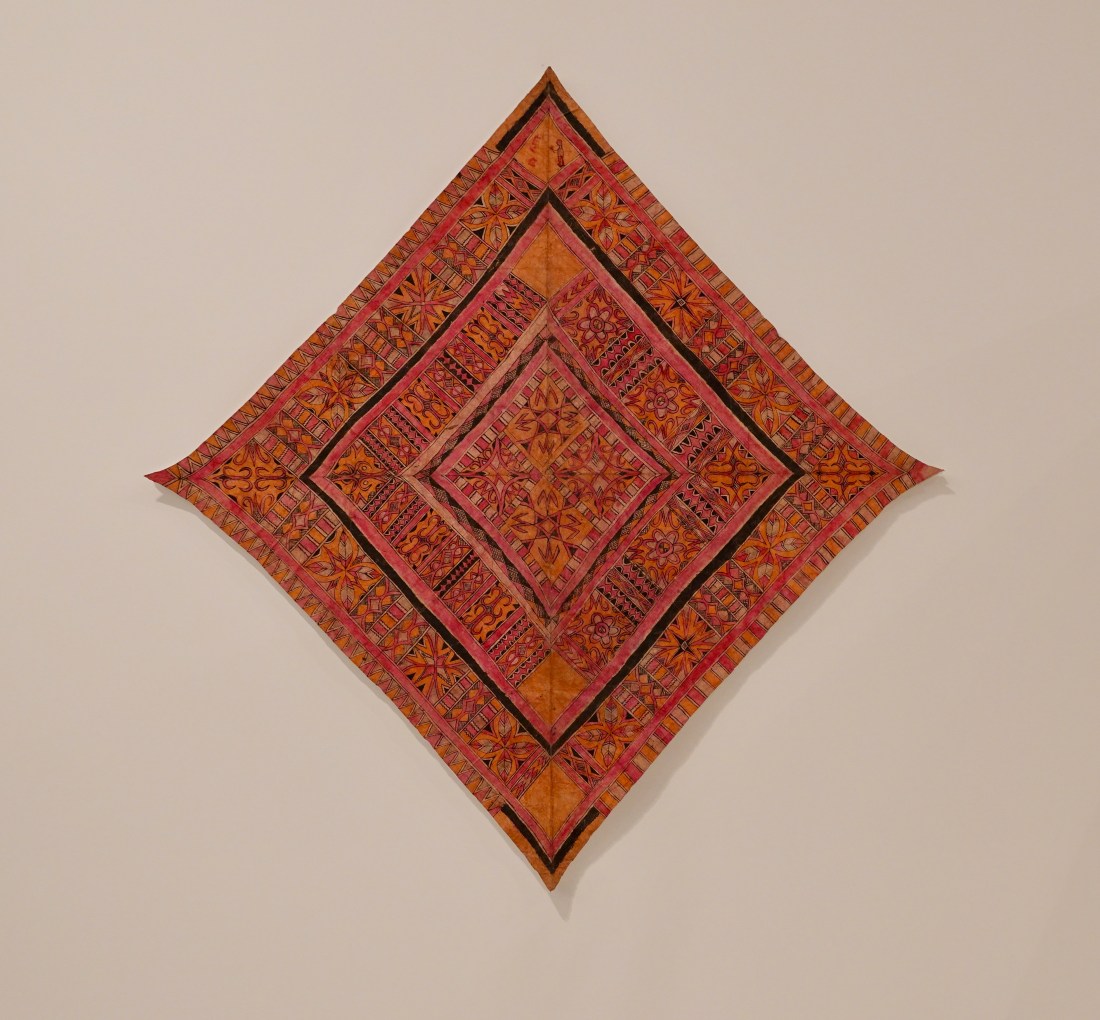
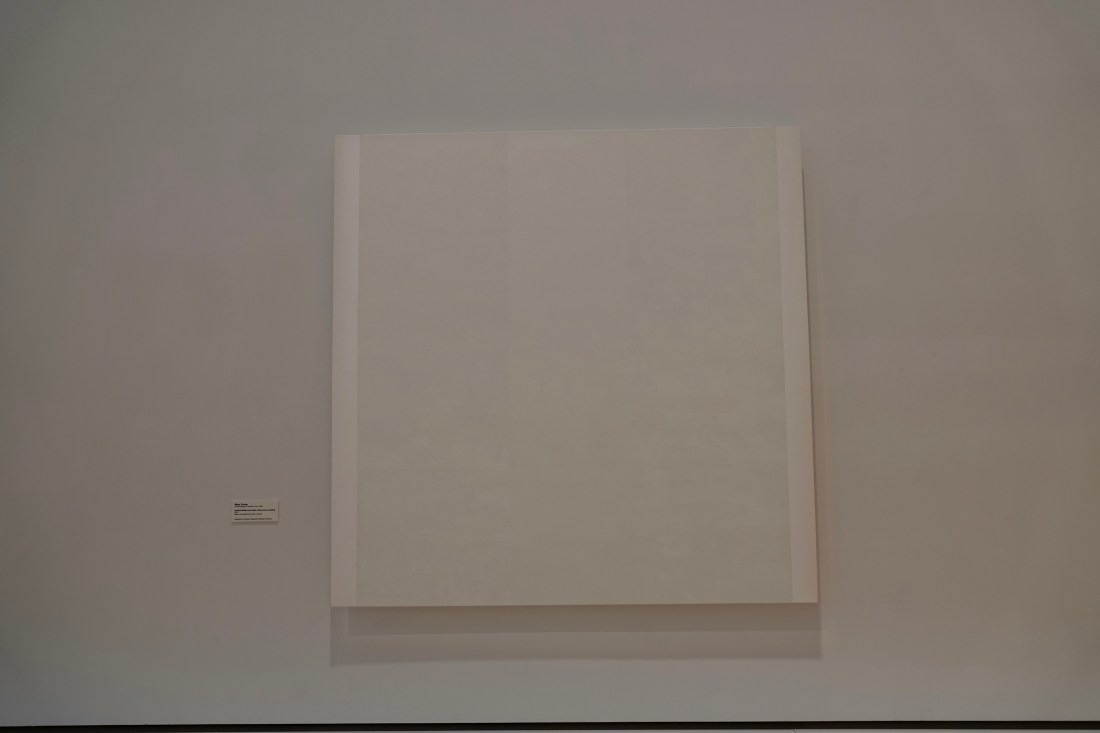
And there was quite a lot of modern art…..
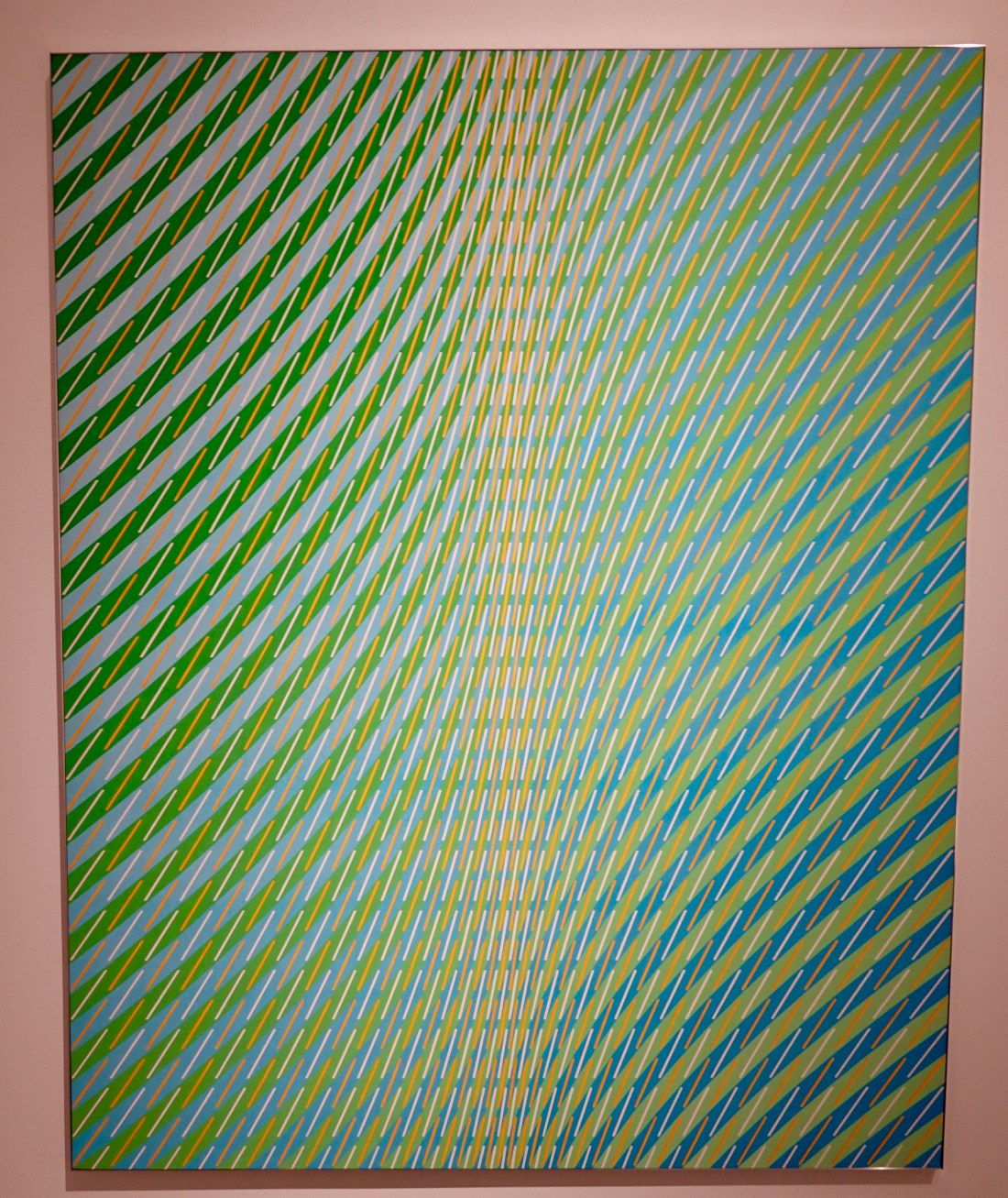
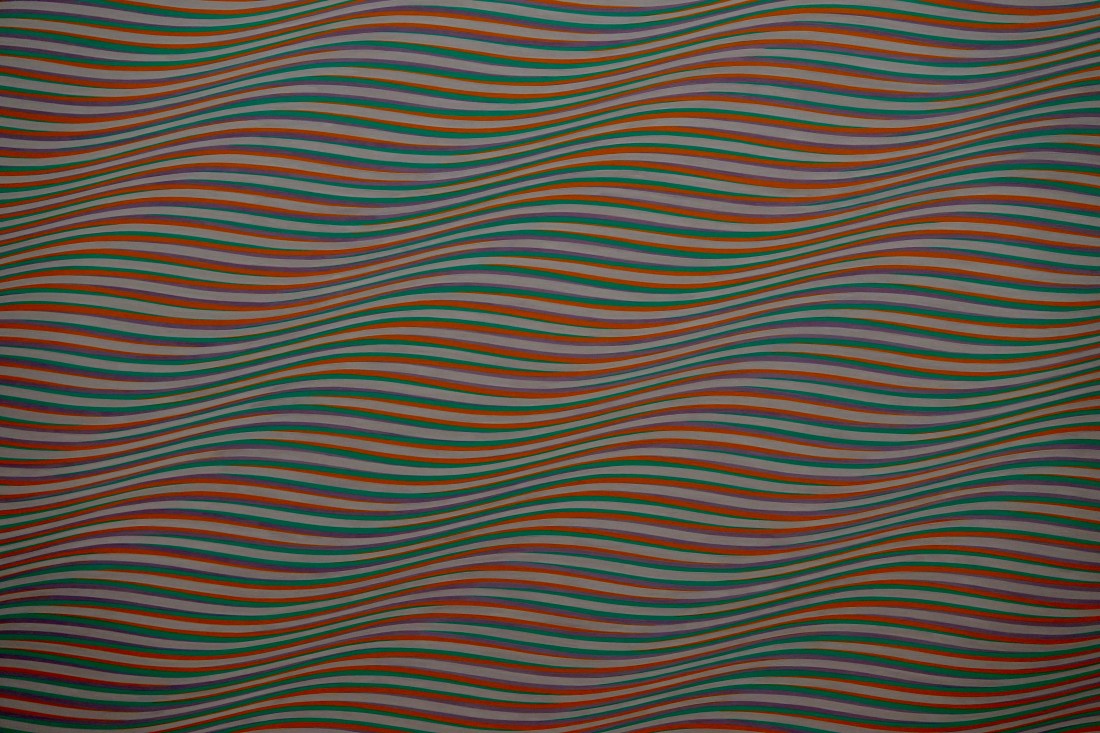
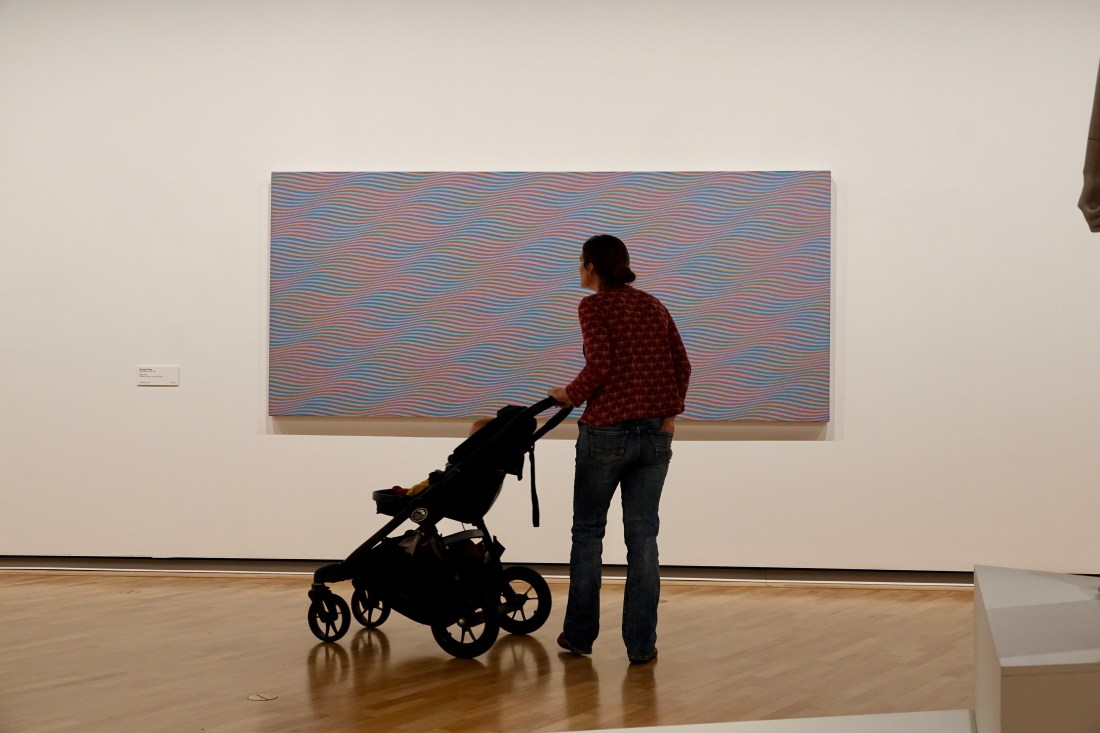
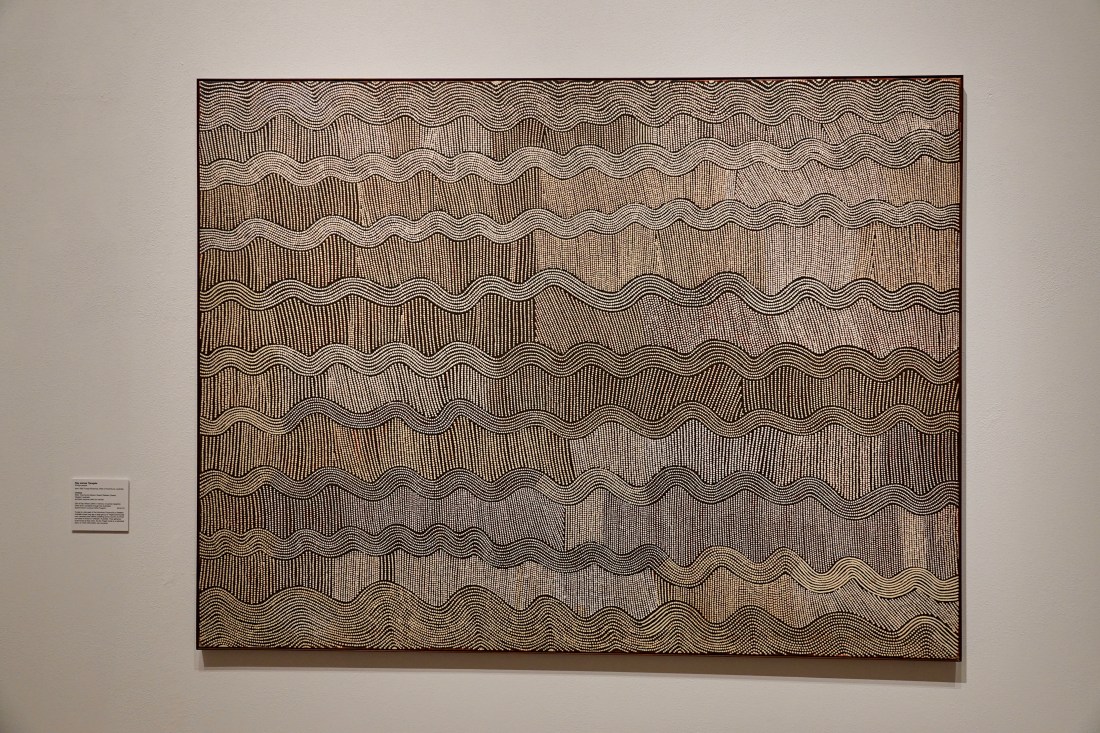
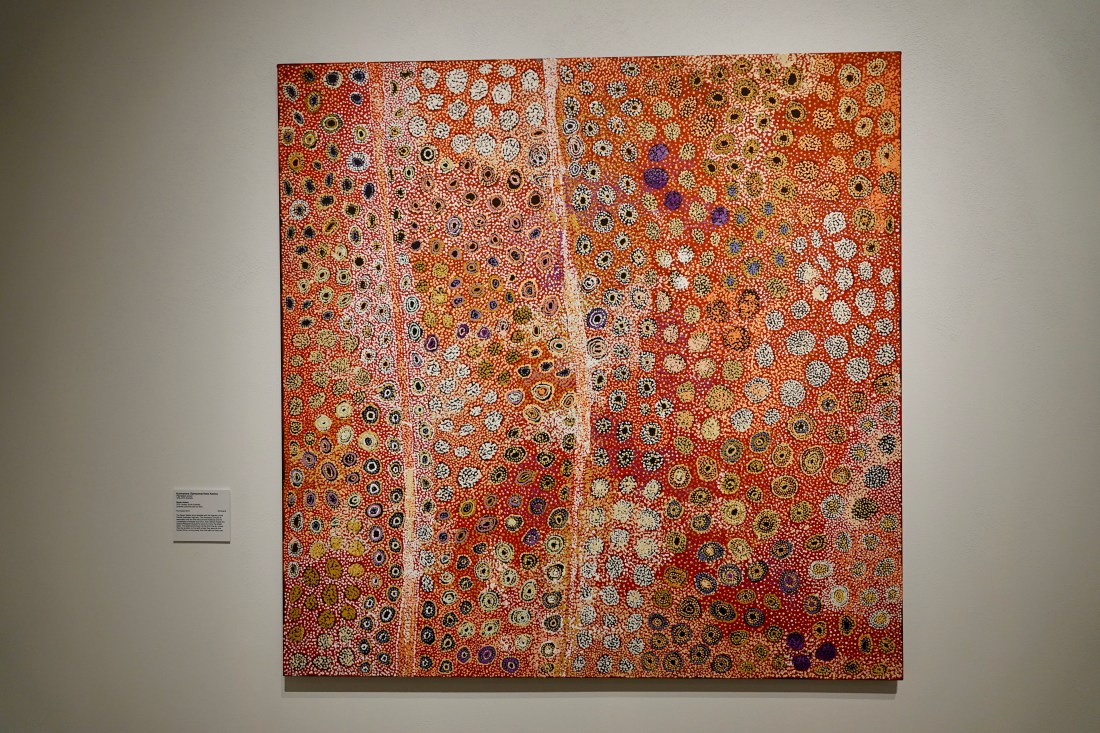
There were some that would fall into the category of Aboriginal, I think….
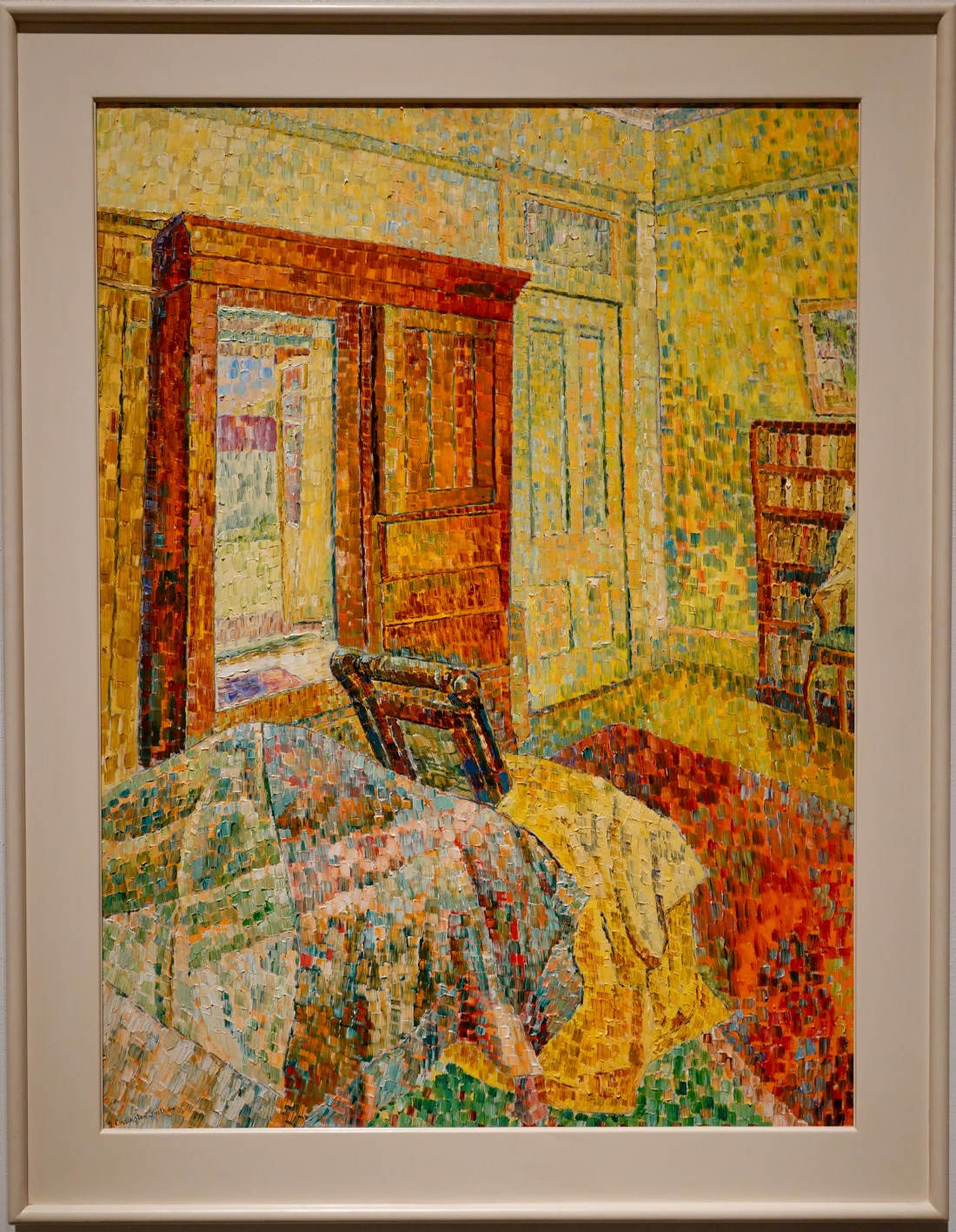
And some random ones…
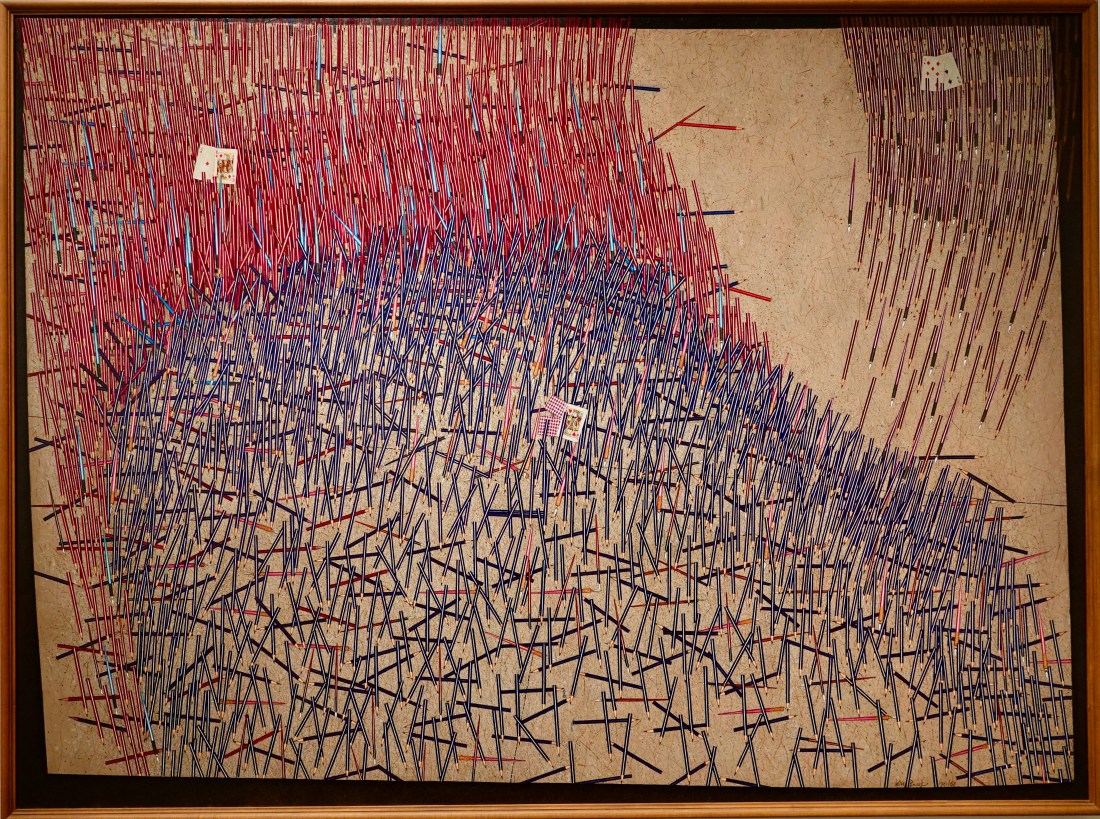
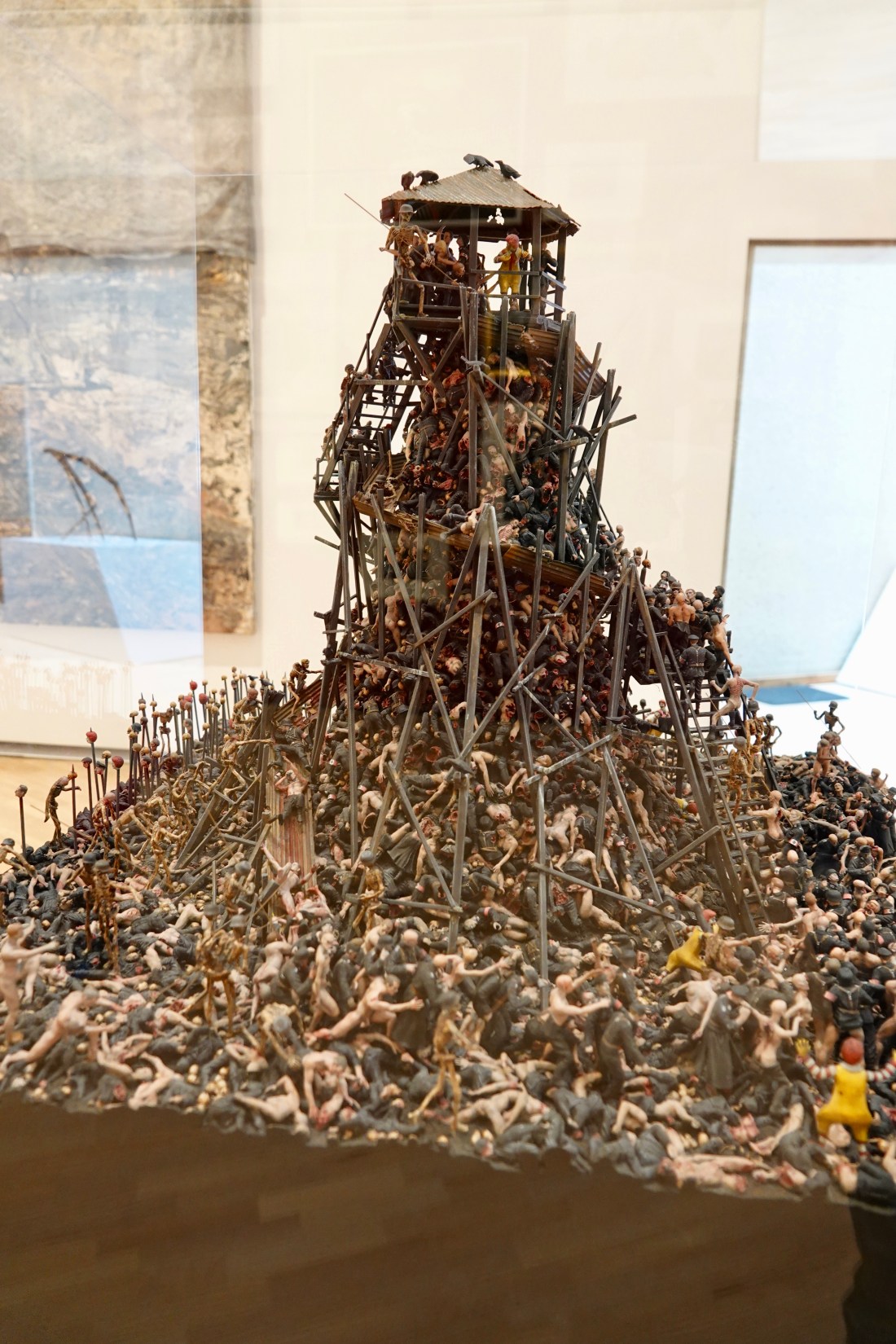
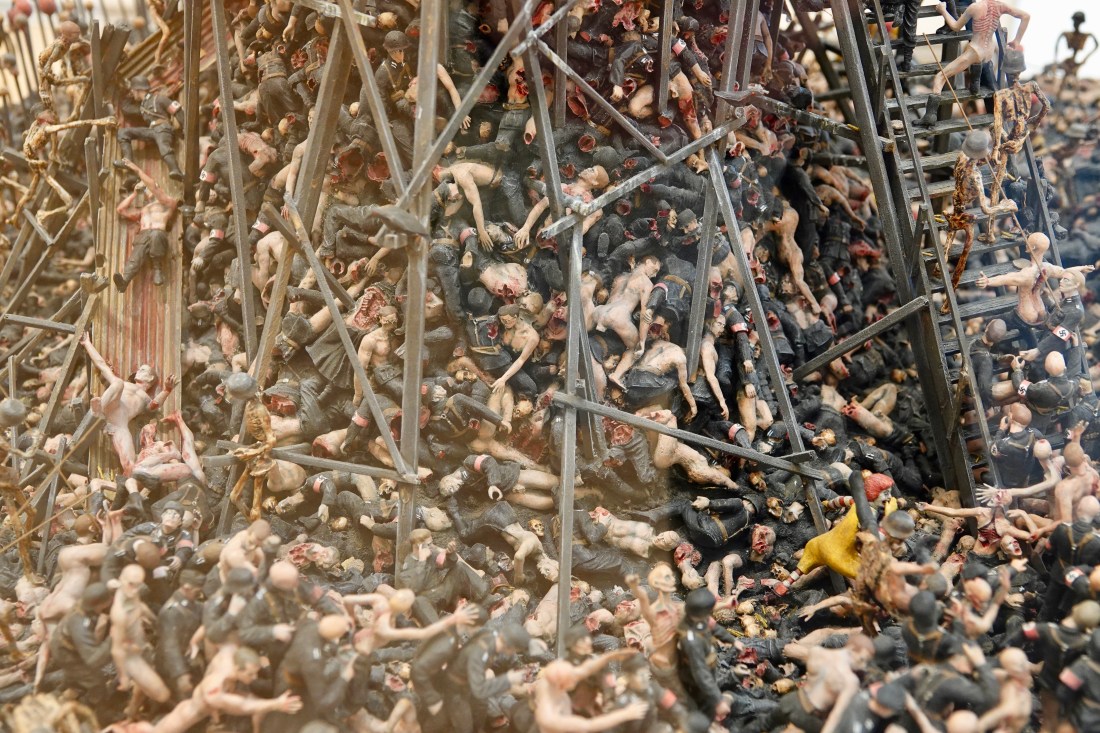
There were a couple of particularly unusual pieces by Jake and Dinos Chapman from the UK…
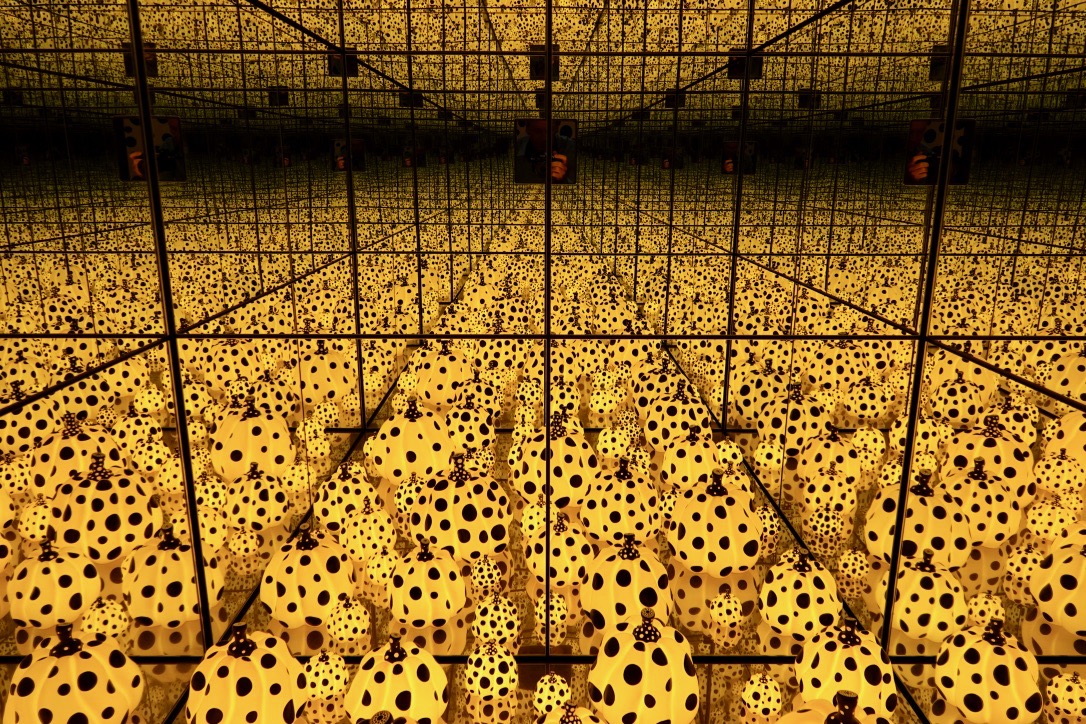
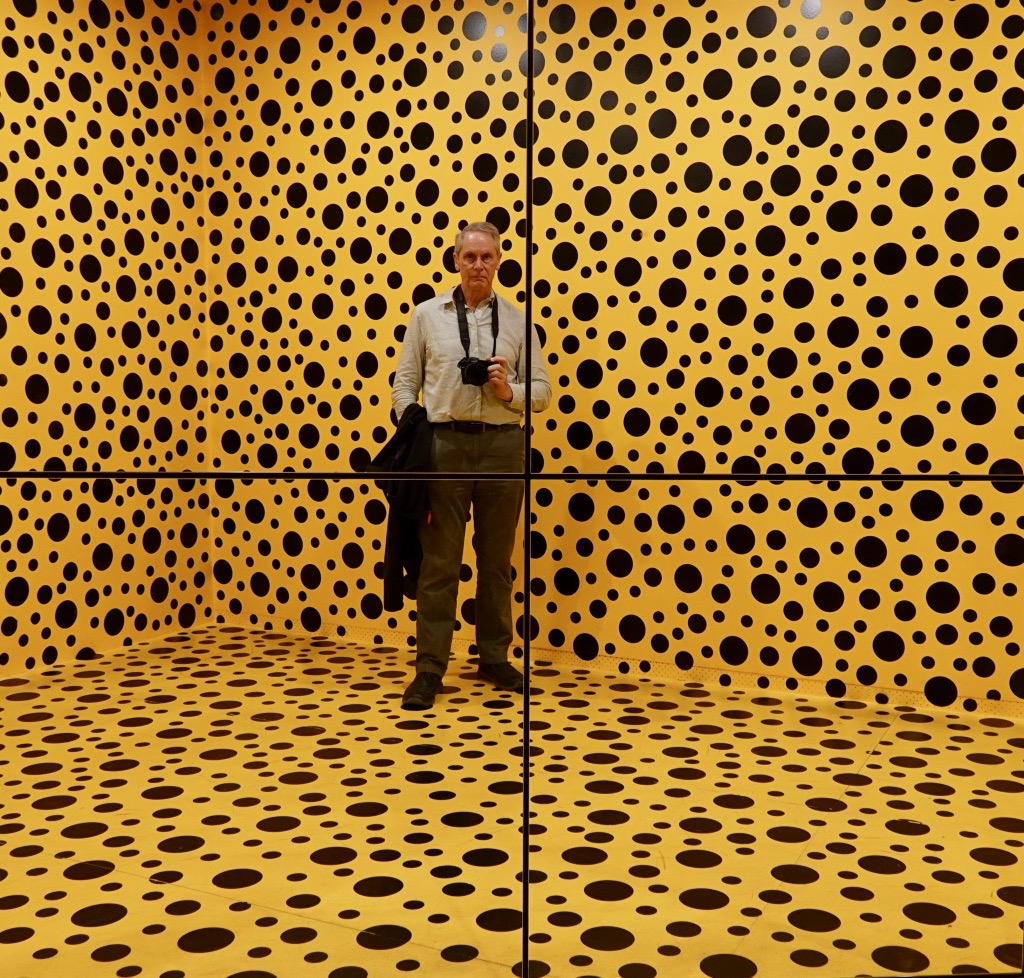
This was am installation all on its own in its own room – lots of mirrors produced some interesting effects!! It is by Yahoo Kusama and is called an Infinity Room.
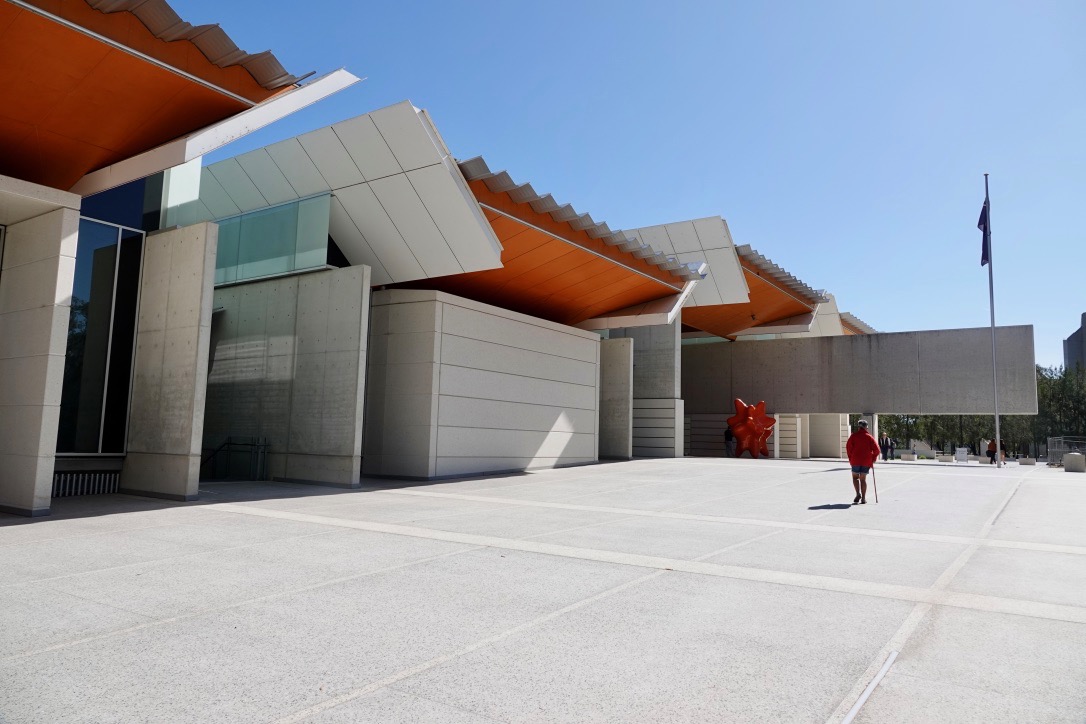
OK, a small sample there. However Val and I were not finished with our art excursions as we visited the National Portrait Gallery the next day, which was excellent not least in that it highlighted the lives of many who have had an input into what makes Australia what it is today. Again the building was interesting…
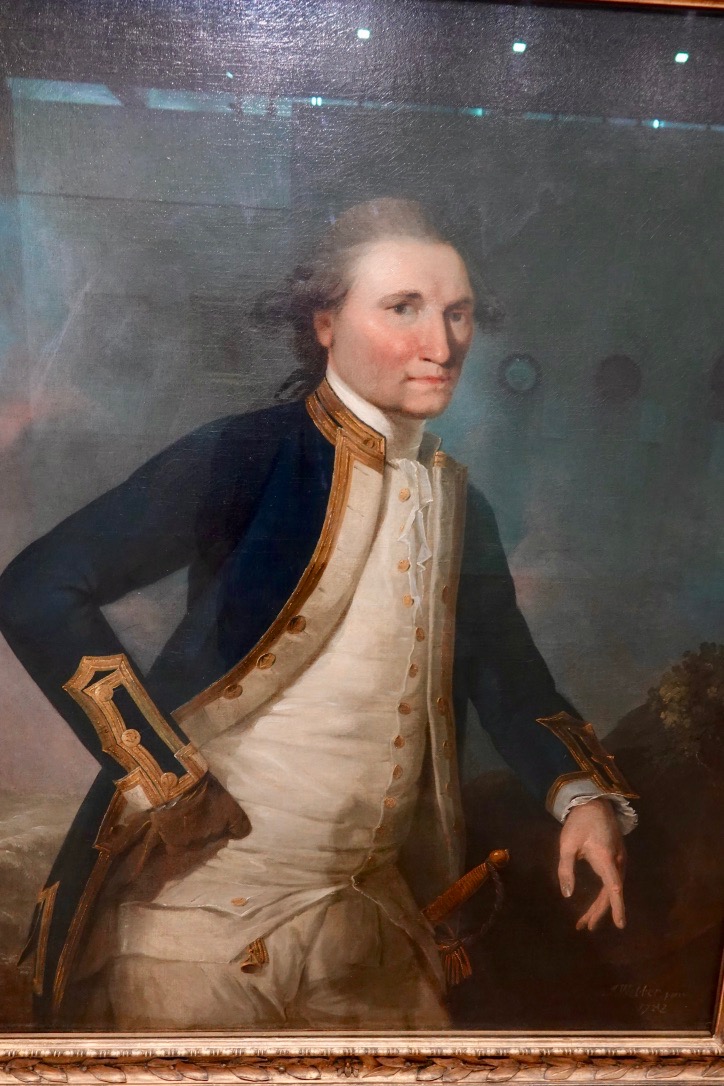
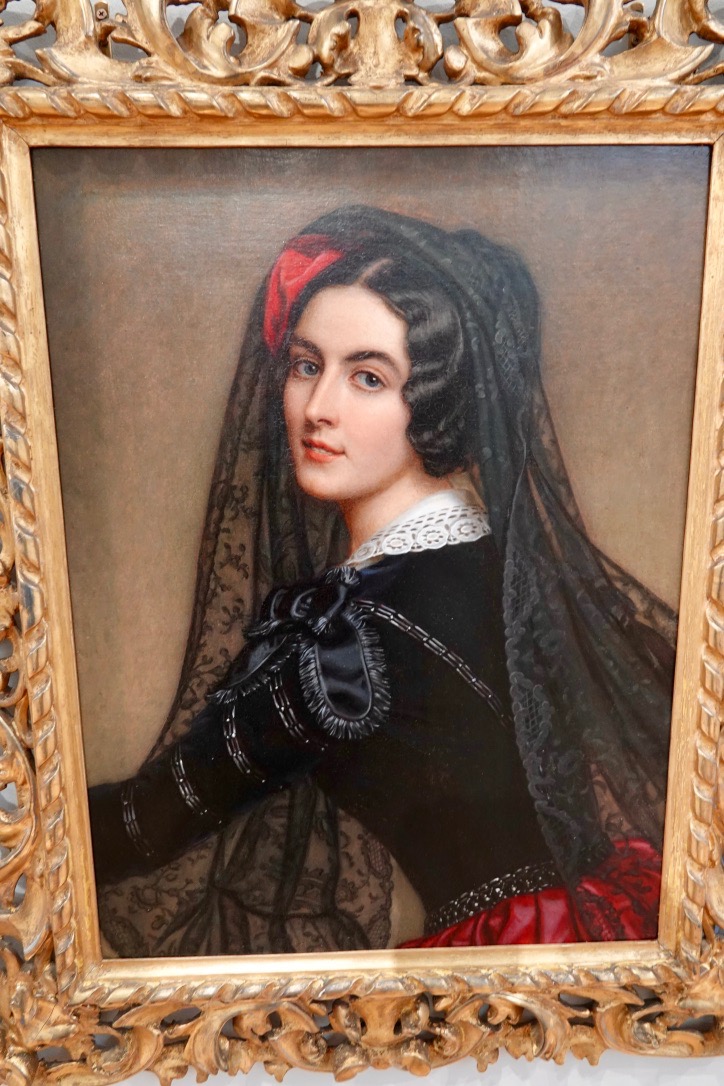
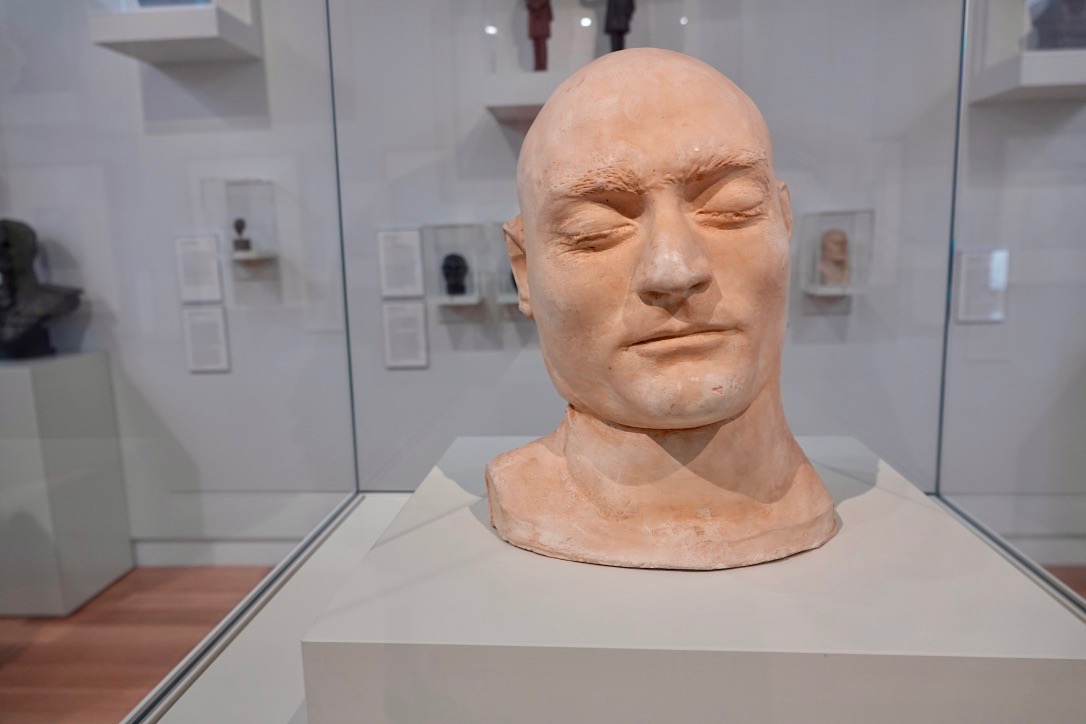
And here are 3 portraits, (well, 2 and a death mask) of people associated with Australia who I had heard of, though often in other contexts.
Our day was not over yet as Claire organised a trip up Mount Ainslie for Val, Robin and me. Now Mount Ainslie features very prominently in the planning of Canberra. According to an article written in 1922, this outlook ‘will afford an ever-changing bird’s eye and panoramic picture of the city’s buildings and beauty spots, as well as of the lovely plains that run to join the Yass Plains on the north’.
A quick history of the planning of Canberra, courtesy of Wikipedia. The area was chosen in 1908 to be the capital of the newly-formed Australia and an international design competition was launched on 30 April 1911, the winner being the design by Walter Burley Griffin and his wife Marion Mahoney Griffin of Chicago.
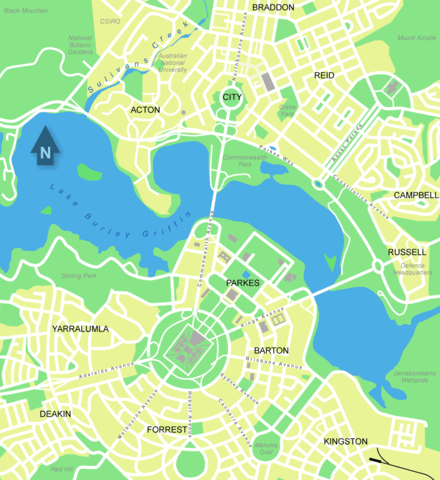
Within the central area of the city near Lake Burley Griffin, major roads follow a wheel-and-spoke pattern rather than a grid. Griffin’s proposal had an abundance of geometric patterns, including concentric hexagonal and octagonal streets emanating from several radii. However, the outer areas of the city, built later, are not laid out geometrically.
Lake Burley Griffin was deliberately designed so that the orientation of the components was related to various topographical landmarks in Canberra. The lakes stretch from east to west and divided the city in two; a land axis perpendicular to the central basin stretches from Capital Hill, the eventual location of the new Parliament House on a mound on the southern side—north northeast across the central basin to the northern banks along Anzac parade to the Australian War Memorial. This was designed so that looking from Capital Hill, the War Memorial stood directly at the foot of Mount Ainslie.
Some photos may help…
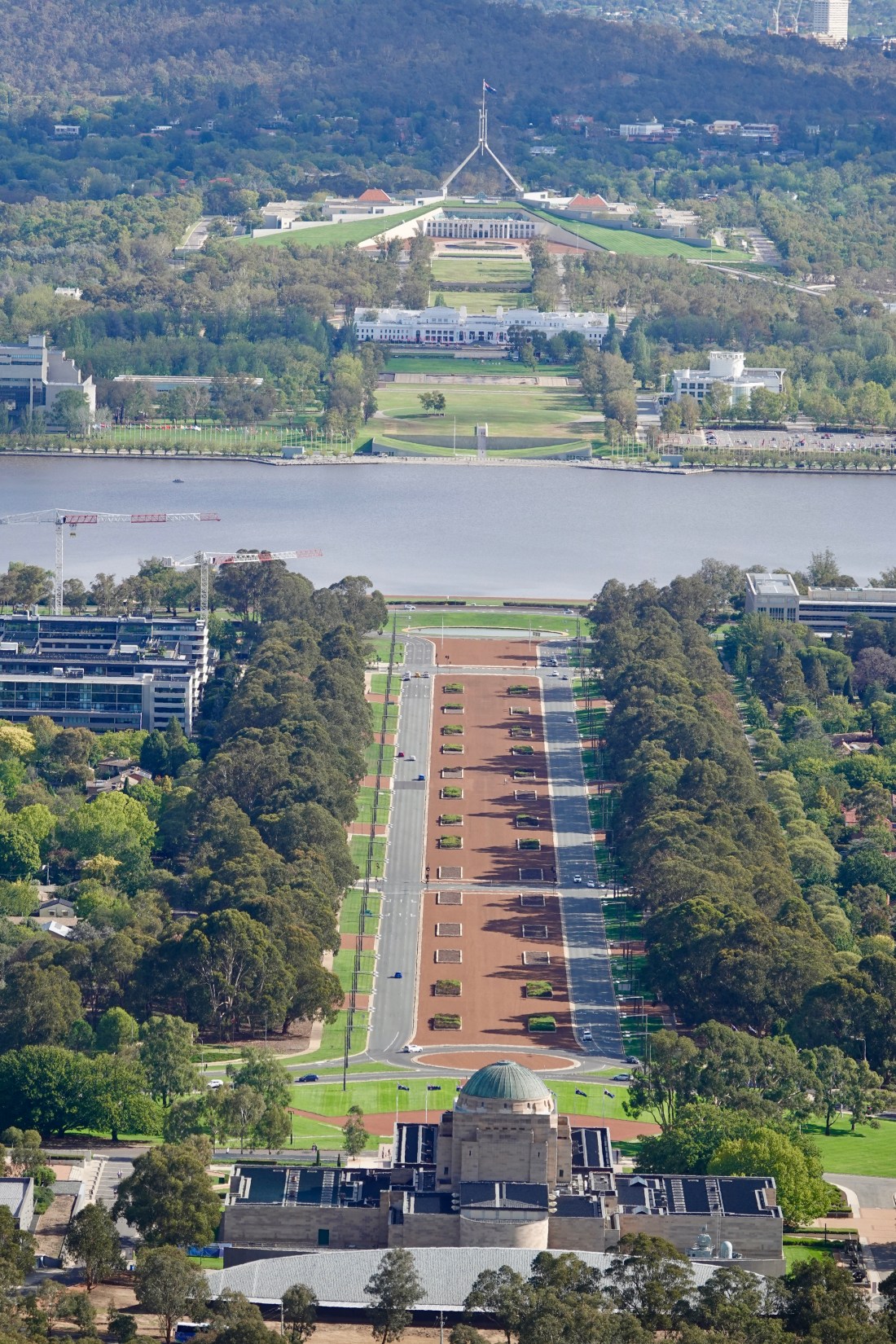
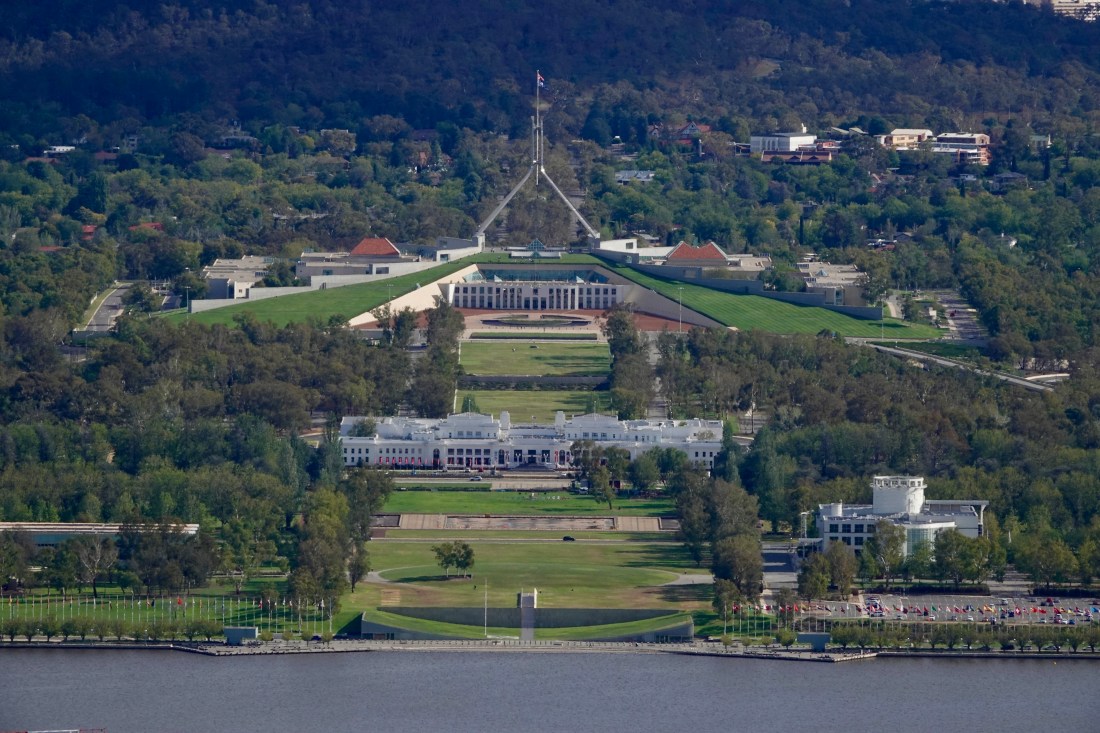
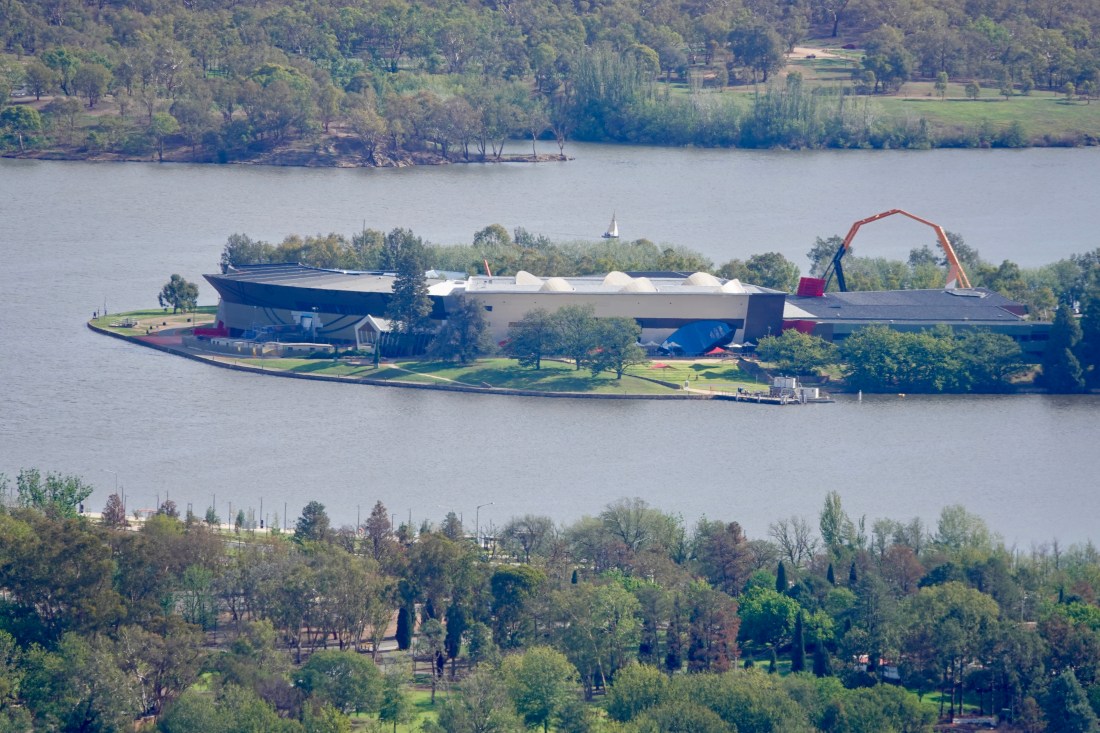
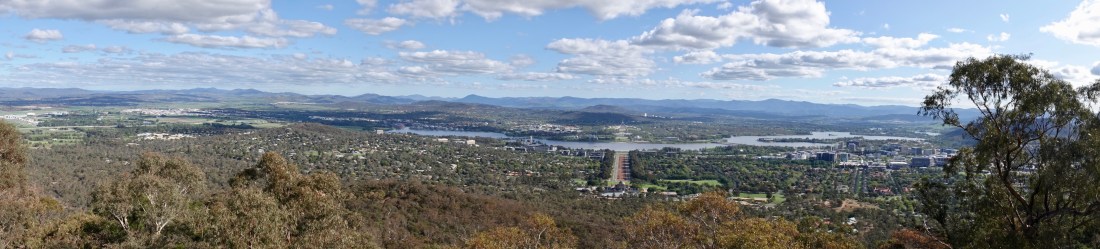
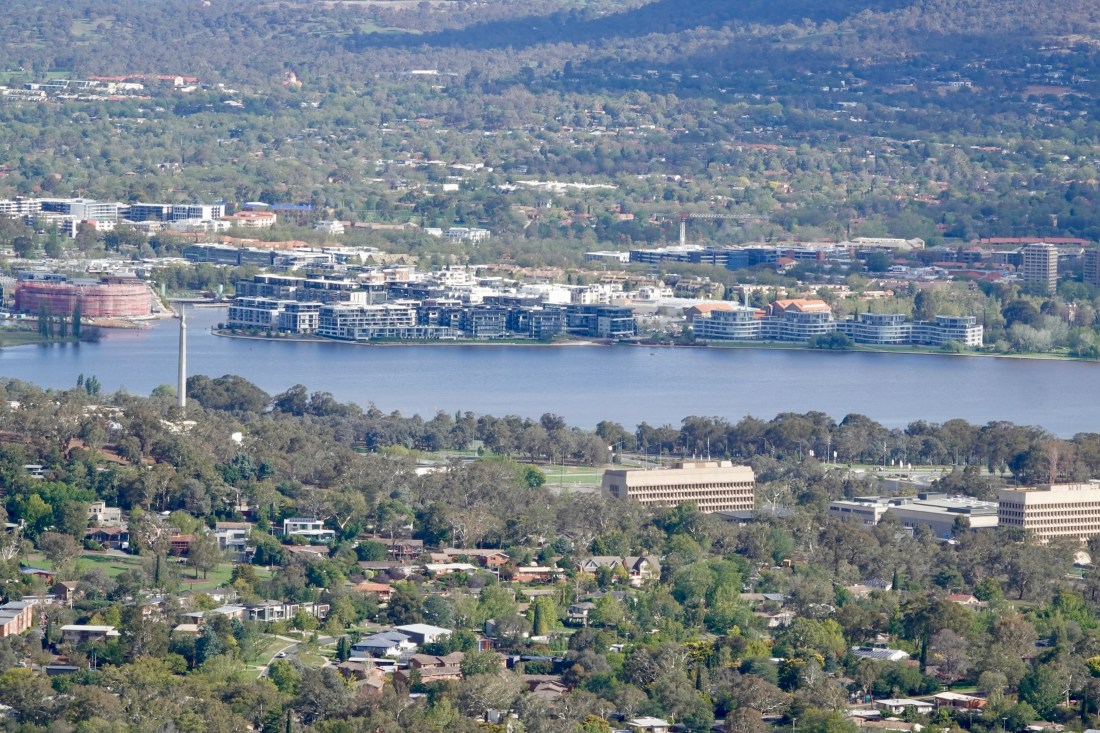
Hopefully you can get a feel for how green the city is. It was always surprising that over 400,000 people live in the city as the suburbs were so spacious, the road system worked so well and there were so many parks and nature reserves that you never really felt there were many people about. As a city to live in, I am not sure I have come across any so stress free. OK, it may not be all that ‘charming’ and ‘quirky’, but very easy to live and work in.
And it is now 2nd April, so definitely time to post this and start the next and possibly last blog of this amazing trip.


Thanks John. Thoroughly enjoyed the visit to the National Gallery – and I did recognise you in the spots, not to mention Captain Cook. Loved the sculpture, especially Hello – quite organic and spooky! Canberra Looks so spacious! As you say, not bygone culture but not unattractive. I suspect new towns and cities need a good couple of hundred years to develop their own character.
LikeLike